


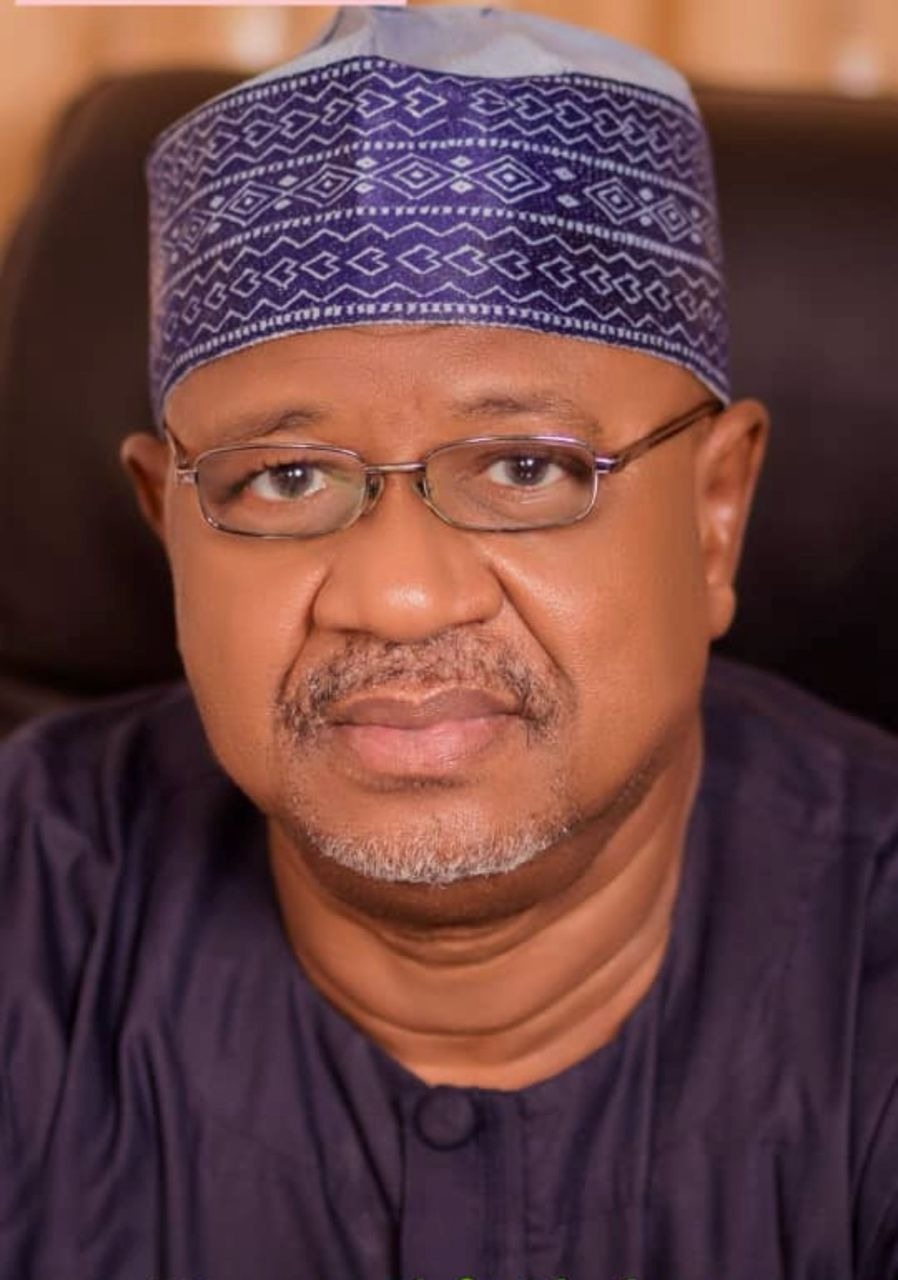
President Bola Ahmed Tinubu may secure less than 10 per cent of the votes in Northern Nigeria in the 2027 presidential election if the poll is free and credible, Convener of the League of Northern Democrats and promoter of the All-Democratic Alliance (ADA), Dr Umar Ardo, has predicted.
Ardo made the prediction during an interview on Frontline, a current affairs programme on Eagle 102.5 FM, Ilese-Ijebu, Ogun State.
The political commentator said the President’s electoral fortunes in the North would largely depend on how voters assess the performance of his administration, particularly its handling of insecurity, economic hardship, poverty and the rising cost of living.
He identified insecurity as one of the major factors that could influence voting patterns in the region, noting that insurgency and other security challenges had continued to affect farmers, traders, businesses and communities.
“You can solve the issue of insecurity and insurgency in one year,” Ardo said.
He argued that the Federal Government could substantially reduce the security crisis if it adopted what he described as the right strategy and demonstrated sufficient political will.
According to him, the consequences of insecurity go beyond loss of lives and property, as citizens cannot effectively farm, trade or engage in other economic activities when their safety is constantly threatened.
Subsidy removal
Ardo also criticised the economic reforms of the Tinubu administration, particularly the removal of fuel subsidy, questioning whether ordinary Nigerians had experienced tangible benefits from the policy.
“Subsidy removal, is it a benefit?” he asked.
He acknowledged that some workers had received salary increases but argued that the sharp rise in the cost of goods and services had eroded their purchasing power.
“The purchasing power has been depreciated,” he said.
The former presidential aspirant further argued that the economic reforms had worsened the conditions of many Nigerians, claiming that some people had moved from poverty into what he described as destitution.
He said the impact was particularly severe in Northern Nigeria, which has a large population of poor and vulnerable citizens.
“The economic reform has pushed from the state of poverty to destitution,” Ardo said.
Representation concerns
The political activist also raised concerns about political representation under the Tinubu administration, arguing that the composition of government could influence public perception of whether various regions and interests were adequately represented.
He said the issue of representation should be considered alongside broader questions about governance and the impact of government policies on citizens.
Ardo maintained that the 2027 presidential election would provide Northern voters an opportunity to assess the Tinubu administration based on their experiences since the President assumed office.
Against this backdrop, he gave a bleak assessment of Tinubu’s chances in the region, insisting that the President’s support could fall significantly if the election is free, fair and credible.
“If a free, fair and credible election is conducted in Nigeria, Tinubu can’t get 10 percent of the Northern part,” he said.