


ABUJA — Nigeria’s ports have recorded a historic surge in export activity, with official data revealing an extraordinary 1,085 per cent increase in export-laden containers in the third quarter of 2025, powered by the Tinubu administration’s aggressive export-focused economic reforms.
The Nigerian Ports Authority (NPA), in its quarterly performance report released Tuesday, announced that total cargo throughput climbed to 33.52 million metric tonnes—a 16.2% rise from the same period last year—marking one of the strongest quarterly performances in recent maritime history.
The staggering leap in export containers—from just 5,812 TEUs in Q3 2024 to 69,039 TEUs in Q3 2025—is being hailed as clear evidence that Nigeria’s push to diversify the economy through non-oil exports is gaining unprecedented momentum.
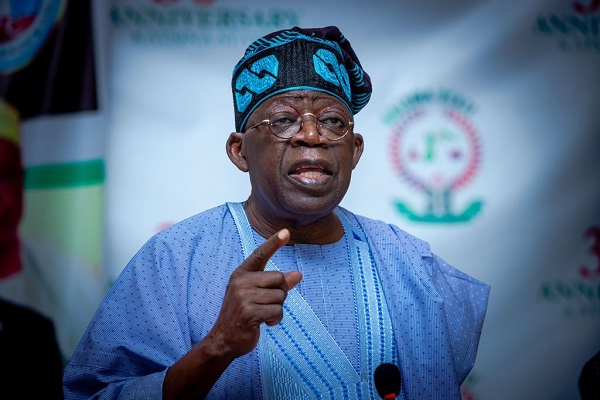
“This performance is a direct outcome of President Bola Ahmed Tinubu’s strategic focus on trade facilitation, port efficiency, and export growth,” said NPA Managing Director, Abubakar Dantsoho. He credited the “strategic leadership” of the Minister of Marine and Blue Economy, Adegboyega Oyetola, and ongoing modernization initiatives for strengthening sector confidence and operational efficiency.
Key Highlights from the Report:
· Total Container Traffic rose 18.9% to 546,931 TEUs.
· Import Containers also grew significantly, by 33.1%, to 268,713 TEUs.
· Empty Container Traffic fell by 21.5%, indicating a healthier trade balance.
· Ship Traffic increased by 8.4% to 1,074 vessels, with total Gross Registered Tonnage up 18% to 42.64 million—a sign that Nigerian ports are attracting larger ships.
Port-by-Port Breakdown:
While Tin Can and Apapa ports led in the number of ship calls,the newly operational Lekki Port emerged as the dominant force in cargo handling, accounting for 46.8% of all cargo by volume and receiving the largest vessels by average size. Onne, Apapa, and Tin Can ports followed, with Calabar recording the smallest share.
Analysts point to targeted government interventions—such as the deployment of export processing terminals, digital platforms like the e-call-up system for trucks, and streamlined port processes—as key drivers behind the reduced bottlenecks and improved turnaround times.
“These numbers are not accidental,” stated one maritime economist. “They reflect a coherent policy direction aimed at repositioning the maritime sector as the engine of national growth and a pillar of the Blue Economy agenda.”
The record figures suggest a tangible shift in Nigeria’s trade dynamics, with the ports now acting as a critical conduit for the administration’s renewed hope for a diversified, export-powered economy.

