


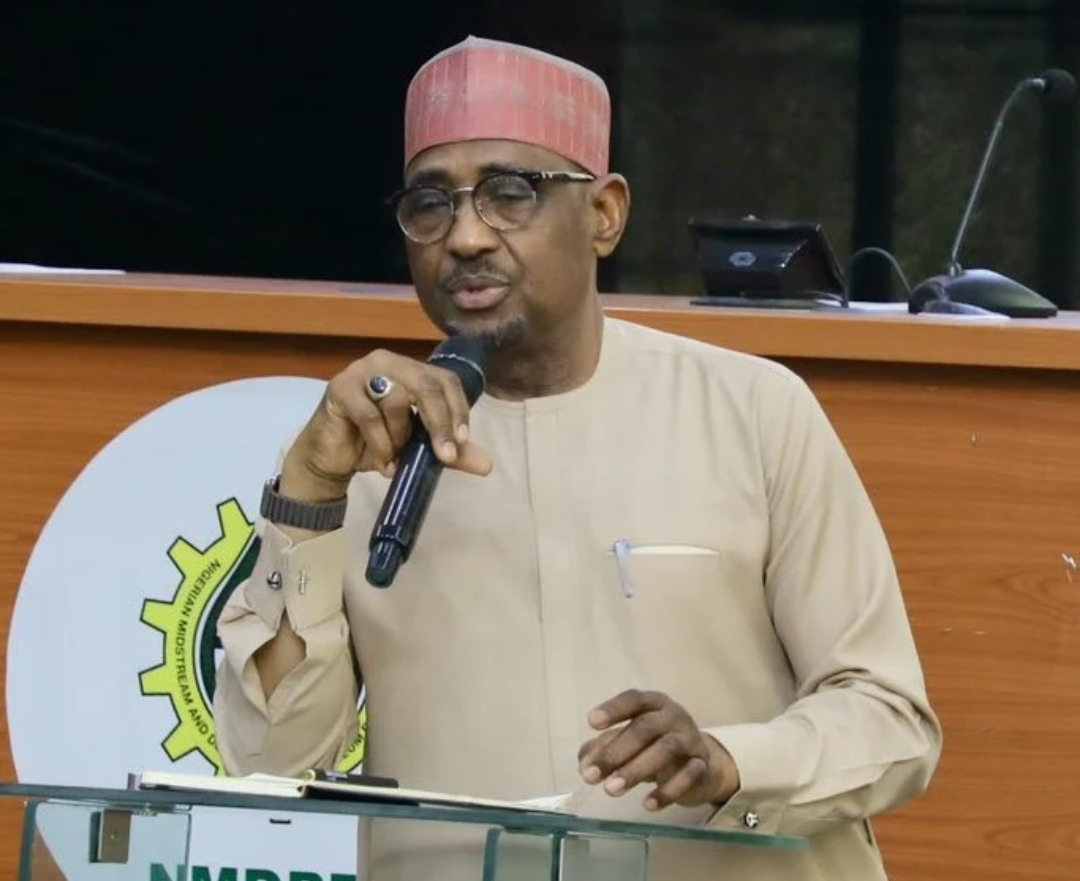
ABUJA — The Chief Executives of Nigeria’s two main petroleum regulatory agencies have resigned amid a widening controversy sparked by allegations of misconduct and a petition filed by Africa’s richest man, Aliko Dangote.
The Presidency on Wednesday announced the resignation of Engr. Farouk Ahmed, Chief Executive of the Nigerian Midstream and Downstream Petroleum Regulatory Authority (NMDPRA), and Gbenga Komolafe, Chief Executive of the Nigerian Upstream Petroleum Regulatory Commission (NUPRC).
The move follows days of escalating accusations by Dangote, who publicly alleged that Ahmed paid about $5 million for the secondary education of his four children in Switzerland—a claim he labeled economic sabotage. Dangote subsequently petitioned the Independent Corrupt Practices Commission (ICPC) to investigate the NMDPRA boss.
Presidency Nominates Replacements
Special Adviser to the President on Information and Strategy, Bayi Onanuga, confirmed the resignations and announced that President Bola Tinubu has asked the Senate to confirm new nominees for the positions.
The nominees are:
· Oritsemeyiwa Amanorisewo Eyesan — nominated as CEO of NUPRC. A University of Benin economics graduate, she spent 33 years at the NNPC, retiring as Executive Vice President, Upstream.
· Engr. Saidu Aliyu Mohammed — nominated as CEO of NMDPRA. A chemical engineering graduate of Ahmadu Bello University, he previously served as Managing Director of the Kaduna Refining and Petrochemical Company and the Nigerian Gas Company.
Background of the Conflict
The conflict dates to 2024, when Dangote Refinery officials accused the NMDPRA of indiscriminately issuing import licenses for refined products, which they said undercut local production. Tensions peaked last week when NMDPRA data showed marketers imported 1.5 billion litres of petrol in November—the highest since Dangote began petrol production.
Dangote accused Ahmed of sabotaging the economy by approving “reckless” import licenses while the refinery’s storage tanks were full. In a televised statement on Sunday, he questioned Ahmed’s source of wealth and called for a probe.
Komolafe’s Exit
Although not directly implicated in the recent allegations, Komolafe’s resignation is linked to longstanding disputes between Dangote Refinery and the NUPRC over domestic crude supply obligations. The refinery had previously accused international oil companies of selling crude above market rates, with the NUPRC accused of failing to enforce local supply rules.
Industry Reaction
Oil marketers expressed anxiety over the developments, warning that the regulatory shakeup—coupled with Dangote’s aggressive price cuts—could accelerate business failures in the downstream sector.
“There is tension,” a major marketer said anonymously. “Since Dangote crashed petrol prices to ₦699 per litre, we’ve lost over 90% of marketers who lift from our depots.”
Energy lawyer Rasheed Osagie said the outcome was inevitable given Dangote’s economic influence. Professor of Petroleum Economics Wumi Iledare described the resignations as a “moment of truth” for regulators under the Petroleum Industry Act.
Civil society leaders, including Auwal Rafsanjani and Debo Adeniran, called for full investigations, insisting that resignation alone was not enough.
The leadership change throws Nigeria’s petroleum sector into a period of uncertainty as operators await whether the new appointments will restore stability or deepen fears in an industry already shaken by a fierce price war.

