


A prominent Catholic figure has called for the arrest of Nigerian cleric Sheikh Ahmad Gumi, accusing him of crimes against humanity after Gumi referred to jihadist terrorists as “our warriors” and condemned recent U.S. airstrikes. The clash has ignited a fierce debate over Nigeria’s sovereignty, religious narratives, and the path forward in its fight against terror.
The Controversy Over the U.S. Strikes and Gumi’s Stance
The conflict centers on the December 25 U.S.military operation in Nigeria’s Sokoto State, which President Donald Trump said was deliberately timed for Christmas to send a message to groups targeting Christians. The Nigerian government confirmed the airstrikes were the result of “structured security and intelligence cooperation” with the U.S., involving intelligence sharing and strategic coordination.
Following the strikes, Sheikh Gumi, a controversial but influential Islamic cleric, issued a forceful condemnation. He argued that the U.S. involvement would turn Nigeria into a “theatre of war,” attract anti-American forces, and dangerously polarize the nation along religious lines by framing the intervention as protection for Christians. He urged the government to halt cooperation with the U.S. and instead seek military assistance from what he termed “neutral countries” like China, Turkey, or Pakistan. Most explosively, Gumi referred to the targeted insurgents as “our warriors”—a statement Catholic Deacon Nick Donnelly seized upon in his call for Gumi’s arrest.
Donnelly’s Call to Action and Gumi’s Past Positions
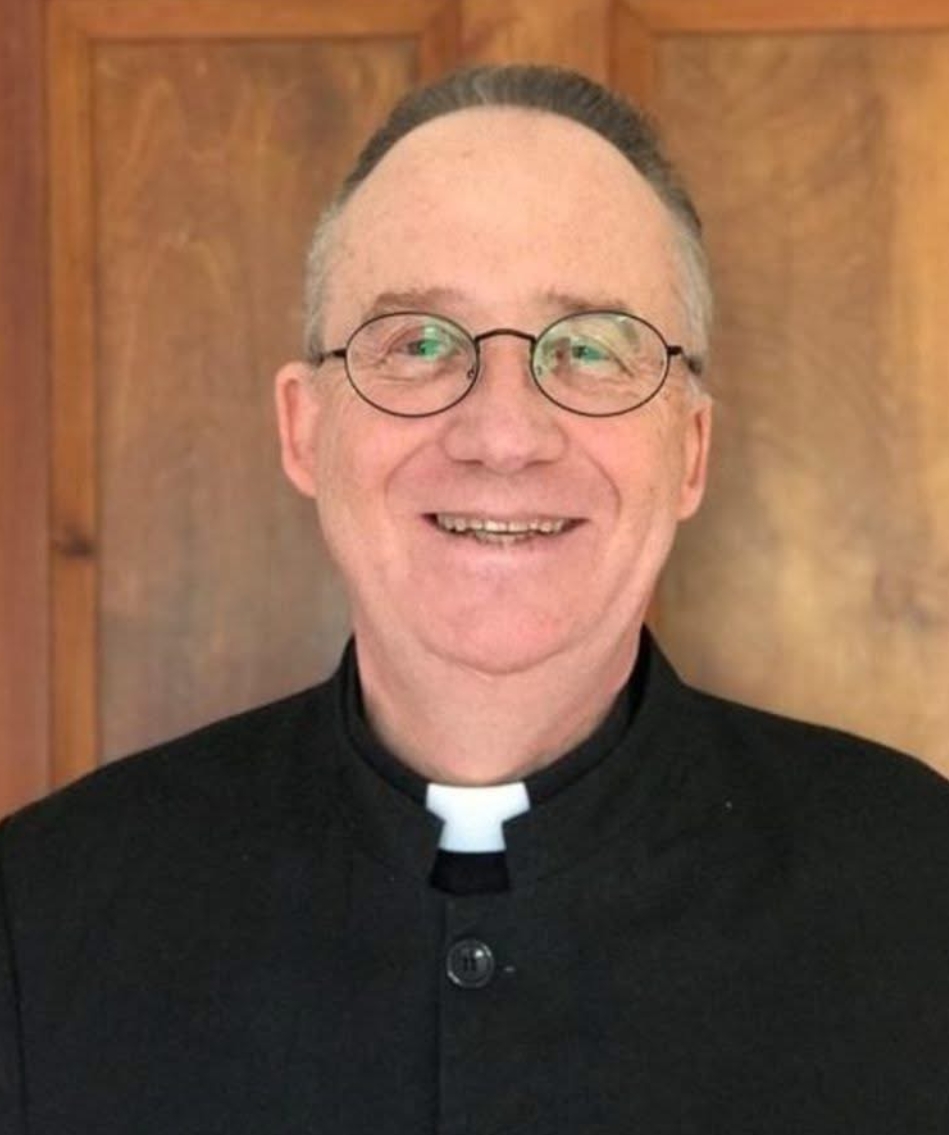
In a post on X(formerly Twitter), Deacon Nick Donnelly, a British Catholic author and activist, declared Gumi’s remarks tantamount to supporting genocide. “Sheikh Gumi protests President Trump’s Christmas military strikes against the bestial Islamist terrorists. Calling the terrorists conducting the genocide against Christians ‘our warriors’. Gumi must be arrested and put on trial for crimes against humanity,” Donnelly wrote. He further demanded that President Bola Tinubu publicly condemn Gumi or be seen as “complicit in his crimes”.
Gumi is no stranger to controversy, having long advocated for negotiating with armed bandit groups in northwestern Nigeria, a stance that has earned him labels as a “bandit sympathiser”. In past interviews, he has argued that Nigeria’s military cannot win a guerrilla war and that negotiation is a pragmatic solution, controversially suggesting that kidnapping children is a “lesser evil” than killing soldiers. These views have placed him at the center of Nigeria’s complex security debate.
A Deeper Geopolitical and Domestic Divide
The current crisis is rooted in a major diplomatic shift from Washington.On October 31, President Trump redesignated Nigeria as a “Country of Particular Concern” (CPC) for severe violations of religious freedom, citing the killing of Christians. He threatened to cut off aid and hinted at military intervention, framing it as a defense of a persecuted religious minority.
This U.S. stance is heavily contested within Nigeria and by independent analysts. The Nigerian government, foreign minister, and advisers to President Tinubu have consistently rejected the “Christian genocide” narrative. They argue that the violence is more complex, driven by resource competition, criminality, and poor governance, and that victims come from all faiths. Data from groups like ACLED supports this, showing most violence in central Nigeria stems from farmer-herder disputes over land, not purely religious targeting. Furthermore, the majority of victims of jihadist groups like Boko Haram in the northeast have been Muslims.
Analysts suggest Trump’s focus appeals to his domestic evangelical base and represents a shift in U.S. Sahel policy to reassert influence after withdrawing from neighboring countries like Niger. For President Tinubu, a Muslim from the south leading a religiously divided nation, this presents a “delicate balancing act”. He must address legitimate security concerns without appearing to favor Western powers or inflame sectarian tensions.
The Debate Over Sovereignty and Security
The core of the dispute now unfolding in Nigeria’s public sphere pits concerns over sovereignty against demands for urgent security.
· Gumi’s Argument for Sovereignty: Gumi’s opposition is framed as a defense of national sovereignty and religious harmony. He warns of foreign powers with “imperial tendencies” and “ulterior motives” turning Nigeria into a proxy battlefield. His call for alternative partners like China or Turkey is based on a belief that they would be less likely to frame the conflict in religious terms that could split the country.
· Donnelly and Pro-Intervention Voices: For Donnelly and others who share his view, the primary concern is an immediate end to violence they see as religiously motivated genocide. From this perspective, the nationality of the forces providing help is secondary to the outcome of saving lives and crushing terrorism. This view finds support among some northern Christian leaders who have stated that Nigeria needs “all available support” to end the insecurity.
The call for Gumi’s arrest by a foreign religious figure adds another volatile layer, raising questions about external influence in Nigeria’s internal discourse and legal system.
Official Nigerian Position and Path Forward
The Federal Government has attempted to steer a middle course.The Foreign Ministry has defended the U.S. cooperation as sovereign, lawful, and aimed at protecting all civilians. Concurrently, officials have downplayed the religious narrative, with Foreign Minister Yusuf Tuggar explicitly stating the joint operations are “not targeting any religion”.
As analysts note, the long-term solution requires Nigeria to address the root causes of instability: poverty, unemployment, lack of education, and the government’s absence in vast rural territories. Whether framed as a religious crisis, a criminal insurgency, or a governance failure, the call for action is unanimous. However, the disagreement over whose action is legitimate—domestic forces, the U.S., or other international partners—and under what narrative, has become a defining and deeply divisive issue for Nigeria’s future.

