


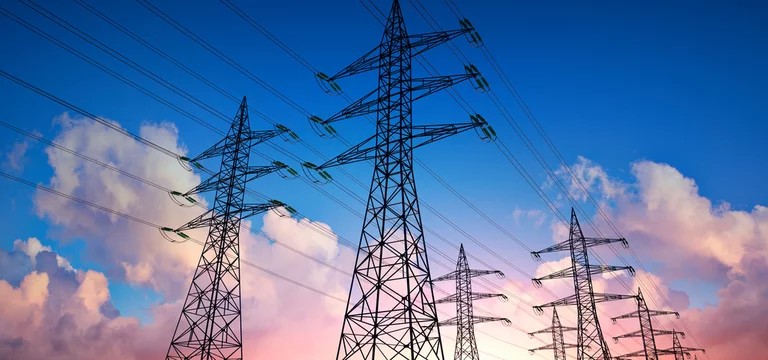
Nigerians were plunged into darkness on Monday evening as the national electricity grid suffered another total collapse, slashing power generation to a mere 360 megawatts (MW) and crippling supply across the country.
The incident, which occurred at 17:28 hours, marks the fourth total grid failure of 2025 and the eighth this year, with three of those collapses happening within a single week. The repeated failures highlight persistent vulnerabilities in the nation’s power infrastructure despite ongoing reform efforts.
A Nation in the Dark: Stark Allocation Disparities
Data from the system collapse revealed a dire and uneven distribution of the limited available power. Only 11 distribution companies (DisCos) received any allocation, with several major regions left with nothing.
· Ibadan DisCo received the highest allocation at 105MW.
· Ikeja DisCo followed with 65MW.
· Kaduna DisCo received 55MW.
· Critical commercial hubs were severely impacted, as Jos, Kano, Port Harcourt, and Yola DisCos received zero megawatts, exacerbating blackouts across northern and southern regions.
The total supply of 360MW is a fraction of the grid’s average output and grossly inadequate for a nation of over 200 million people.
Root Causes and Official Response
Officials from the Transmission Company of Nigeria (TCN) confirmed the collapse, attributing it to systemic generation shortfalls and faults on key transmission lines. They vowed to restore the grid within hours.
Industry analysts point to a combination of critical failures, including recent explosions on the vital Lagos-Escravos-Lagos gas pipeline, unexpected tripping of power stations, and other technical malfunctions within the aging infrastructure.
The contrast with regional peers is stark: Nigeria’s grid currently generates about 4,500MW on average, while South Africa, with a smaller population, maintains a generation capacity of approximately 50,000MW.
Deepening Economic and Social Crisis
The collapse has drawn sharp criticism from consumers and industry stakeholders. The Manufacturers Association of Nigeria (MAN) warned of deepening economic losses due to halted production and increased operational costs.
“This worsening performance of the national grid is definitely an issue of grave concern to the business community,” said a statement from industry observers. “Each collapse erodes confidence and inflicts direct financial damage on an economy struggling to grow.”
Power Minister, Adebayo Adelabu, has yet to issue an official statement on the latest failure, which comes amid federal government promises of investment in renewable energy integration and gas supply reforms.
As restoration efforts continue, millions of households and businesses remain without power, facing yet another night of uncertainty and highlighting the urgent need for a sustainable solution to Nigeria’s perennial electricity crisis.

