


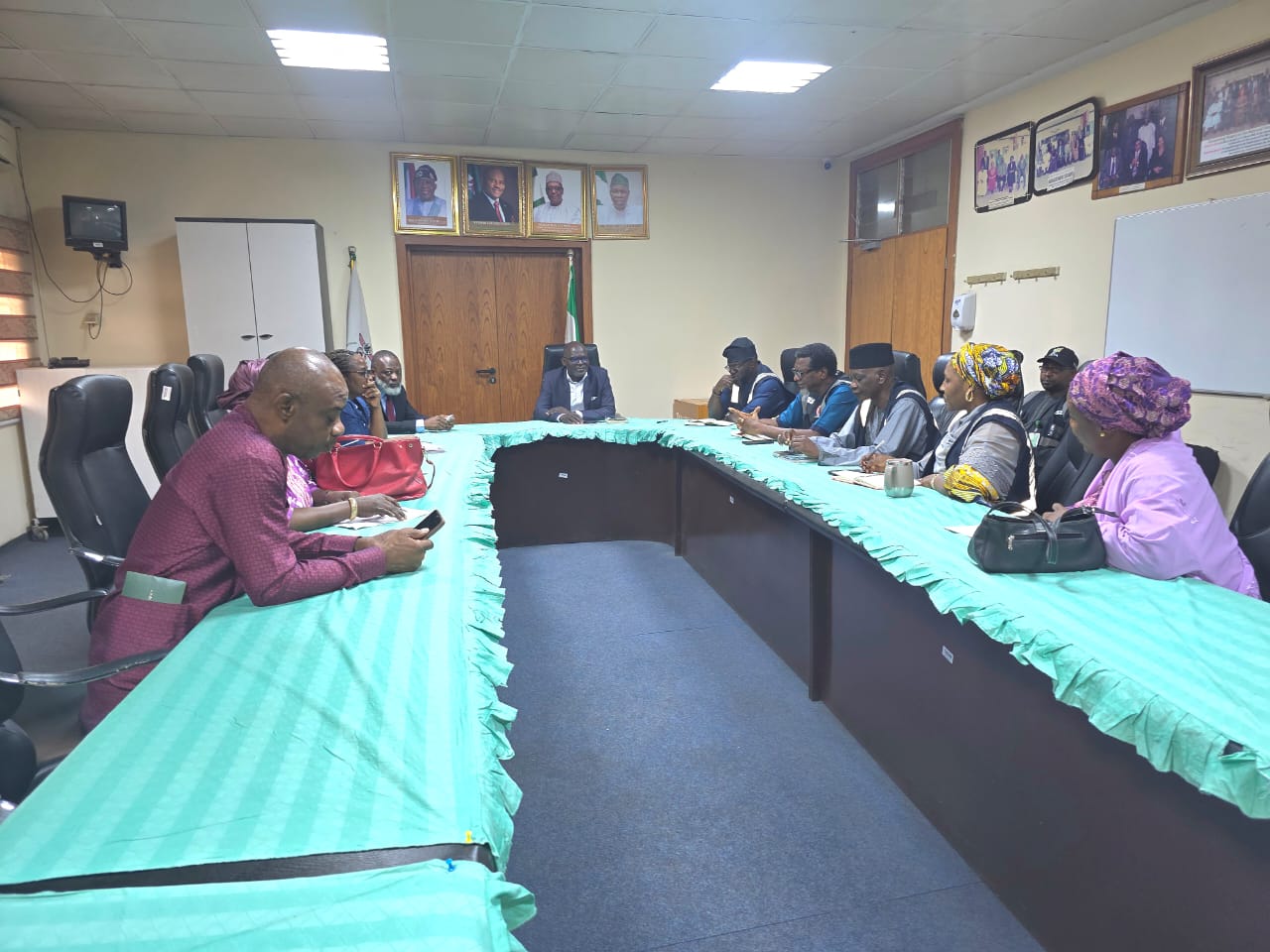
The National Emergency Medical Service and Ambulance System (NEMSAS) has moved to strengthen Nigeria’s emergency healthcare delivery, calling for closer collaboration among the FCT Emergency Medical Service and Ambulance System (FCT-EMSAS), the National Hospital Abuja and the Federal Road Safety Corps (FRSC).
At a high-level meeting in Abuja on Thursday, NEMSAS assured Nigerians of improved emergency response, faster claims reimbursement and free emergency treatment for vulnerable patients within the first 48 hours of care.
National Programme Manager of NEMSAS, Dr. Doubra Emuren, said emergency healthcare funding is provided through the Basic Healthcare Provision Fund (BHCPF) under the National Health Act, with special focus on the poor and vulnerable.
He explained that unconscious patients, unidentified victims and those brought in by good Samaritans are entitled to free emergency treatment for the first 48 hours at designated facilities, including the National Hospital Abuja and FMC Jabi. Ambulance services, he added, can also be accessed at no cost through the 112 emergency number.
To address long-standing delays in reimbursement, Emuren announced the rollout of a digital claims management system, developed with support from the Bill and Melinda Gates Foundation. He said the new system would replace manual processes, reduce errors and curb fraudulent claims.
Under the arrangement, claims will be submitted monthly, digitally verified and paid by the second week of the following month, boosting transparency and efficiency across participating hospitals and states.
Emuren also revealed plans to position the National Hospital Abuja as a major emergency response training hub for frontline responders, expressing confidence that the reforms would reduce preventable deaths from accidents, trauma and other life-threatening emergencies.
Responding, Chairman of the Medical Advisory Committee at the National Hospital Abuja, Dr. Isiaka Lawal, welcomed the initiative, describing it as a major step towards improved coordination among emergency service providers.
Lawal said quicker reimbursement of claims would ease pressure on the hospital’s limited resources and help sustain quality emergency care, assuring Nigerians that emergency victims would receive treatment within the first 48 hours, regardless of their ability to pay.
The meeting also reviewed ambulance tariffs, emergency treatment committees and national standards, as part of efforts to fully integrate the National Hospital into Nigeria’s emergency medical response system.