


…Targets 1.4m tonnes annual milk production in five years
…Plans to raise vaccine production capacity to 850m doses
…21 states establish livestock ministries, agencies
The Federal Government has unveiled a roadmap to transform Nigeria’s livestock sector, targeting access to international red meat markets estimated at over N3.2 trillion annually as part of efforts to boost exports, create jobs and strengthen the economy.
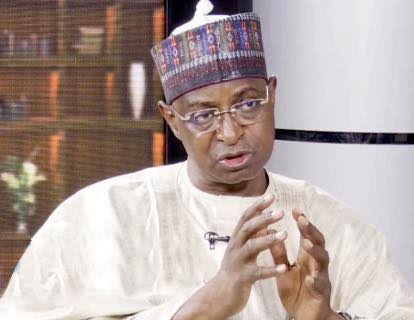
Minister of Livestock Development, Idi Mukhtar Maiha, disclosed this on Thursday at the second National Council on Livestock Development in Lagos, with the theme, “From Rebirth to Transformation: Advancing Livestock Development for National Prosperity.”
Maiha, however, clarified that the N3.2 trillion figure represents the estimated annual value of accessible international markets and not Nigeria’s current export earnings.
He said the immediate priority was to establish credible export statistics through proper animal identification, traceability, certification and customs coordination.
“Our immediate task is therefore to establish credible export statistics through identification, traceability, certification and customs coordination.
“We cannot claim export success merely because an opportunity exists. We must produce, certify, ship and record it,” he said.
The minister said the livestock sector must move beyond its rebirth to a new phase of transformation characterised by increased productivity, safer food, stronger businesses, employment opportunities, peaceful communities and measurable national prosperity.
He recalled that the maiden National Council on Livestock Development, held in Yola last year, brought together the Federal Government, state governments, development partners, researchers, private investors and livestock communities to develop a common national agenda.
According to him, while Yola represented the collective commitment to rebuilding the sector, the Lagos meeting provided an opportunity to assess progress and determine the next steps towards achieving the transformation agenda.
He said the Federal Ministry of Livestock Development, established about two years ago, had laid important policy, technical and institutional foundations for the sector’s growth.
Among the initiatives, Maiha listed the National Livestock Growth Acceleration Strategy, which prioritises feed and fodder development, value-chain transformation, breed improvement, animal health, access to finance and the inclusion of women and young people.
He also cited the Nigerian Livestock Master Plan as a framework for moving the sector from isolated interventions to an integrated livestock economy.
The minister disclosed that eight pasture species had been registered, marking the first such registration in 48 years, while the ministry had also advanced the National Strategy and Action Plan on Animal Genetic Resources.
On dairy development, he said partnerships with companies including Arla Foods, Nestlé, Promasidor, Danone, Ikun Dairy, Cway Dairy, L&Z Integrated Dairies and Integrated Dairies Limited were demonstrating the benefits of improved breeds, better nutrition, extension services and reliable markets.
He said some participating farms and farmer-supplier groups had recorded daily milk production or aggregation exceeding 6,000 litres.
Maiha said the Federal Government was targeting an increase in annual milk production from about 700,000 metric tonnes to 1.4 million metric tonnes within five years.
According to him, the initiative is expected to reduce dependence on imported dairy products and improve the country’s nutritional and food security.
On animal health, the minister disclosed that the government was working to expand vaccine production capacity at the National Veterinary Research Institute, Vom, from 120 million to 850 million doses annually.
He said the ministry was also strengthening disease surveillance, diagnosis, vaccination delivery and veterinary regulation, while intensifying efforts to check substandard and falsified veterinary products.
Maiha said the achievements recorded so far were only foundations, stressing that the priority was now to translate pilot initiatives and policy frameworks into tangible benefits for Nigerians.
He disclosed that about 21 states had established dedicated ministries or agencies for livestock development, while 30 states had enrolled in the World Bank-assisted Livestock Productivity and Resilience Project (L-PRES).
He described the developments as evidence of growing recognition among state governments of the economic, food security and peace-building importance of the livestock sector.
However, he warned against fragmented approaches to livestock development, urging federal and state governments to adopt common national standards while allowing states to design programmes suited to their ecological conditions, cultures and economic advantages.
He said such standards should cover animal identification and traceability, veterinary public health, disease reporting, movement control, abattoir inspection, meat certification, breed improvement, feed quality, land-use planning and environmental safeguards.
Earlier, the Permanent Secretary, Federal Ministry of Livestock Development, Dr Chinyere Akujobi, commended President Bola Tinubu for establishing the ministry, describing the decision as a demonstration of the administration’s commitment to unlocking the sector’s economic potential.
Akujobi, represented by the Director (Technical), Office of the Permanent Secretary, Dr Peter Alike, said Nigeria had abundant livestock resources, entrepreneurial farmers, indigenous knowledge and a growing market for animal-source foods.
She, however, noted that the sector had yet to translate these advantages into the level of productivity, competitiveness and economic value required to drive national prosperity.
She identified inadequate infrastructure, limited access to improved breeds, animal diseases, feed and fodder shortages, insufficient investment, weak value-chain integration and conflicts as major challenges confronting the industry.
According to her, the National Council on Livestock Development provides a platform for building consensus, strengthening cooperation among governments, sharing experiences and addressing policy constraints.
She stressed that the Federal Government could not achieve the transformation of the sector alone, urging state governments, private investors, development partners, research institutions, universities, farmers’ organisations, traditional institutions, women and youth groups to contribute to the process.
In his goodwill message, Chairman of the House of Representatives Committee on Livestock Development, Tasir Olawale Raji, said the establishment of the ministry marked a significant milestone in efforts to reposition livestock as a major contributor to economic growth, food security and employment.
Raji disclosed that the number of states with dedicated livestock institutions had increased from three to 21 as of August 2026, describing the development as an indication of growing commitment to the sector.
He said the House was particularly encouraged by the National Livestock Growth Acceleration Strategy, which seeks to increase the sector’s economic contribution from approximately $32 billion to at least $74 billion by 2035.
However, he warned that achieving the target would require sustained investment, institutional accountability, effective coordination and commitment to implementation.
The lawmaker said Nigerians were yet to fully experience the expected impact of the ministry’s policies, noting that farmers, pastoralists, producers and other stakeholders were looking forward to tangible improvements in their livelihoods.
He also identified herder-farmer clashes, cattle rustling, insecurity in farming communities, inadequate storage facilities and shortages of feed and fodder as persistent challenges undermining productivity and discouraging investment.
The National Council on Livestock Development is the apex platform for harmonising, reviewing and implementing livestock policies and programmes across Nigeria.

