


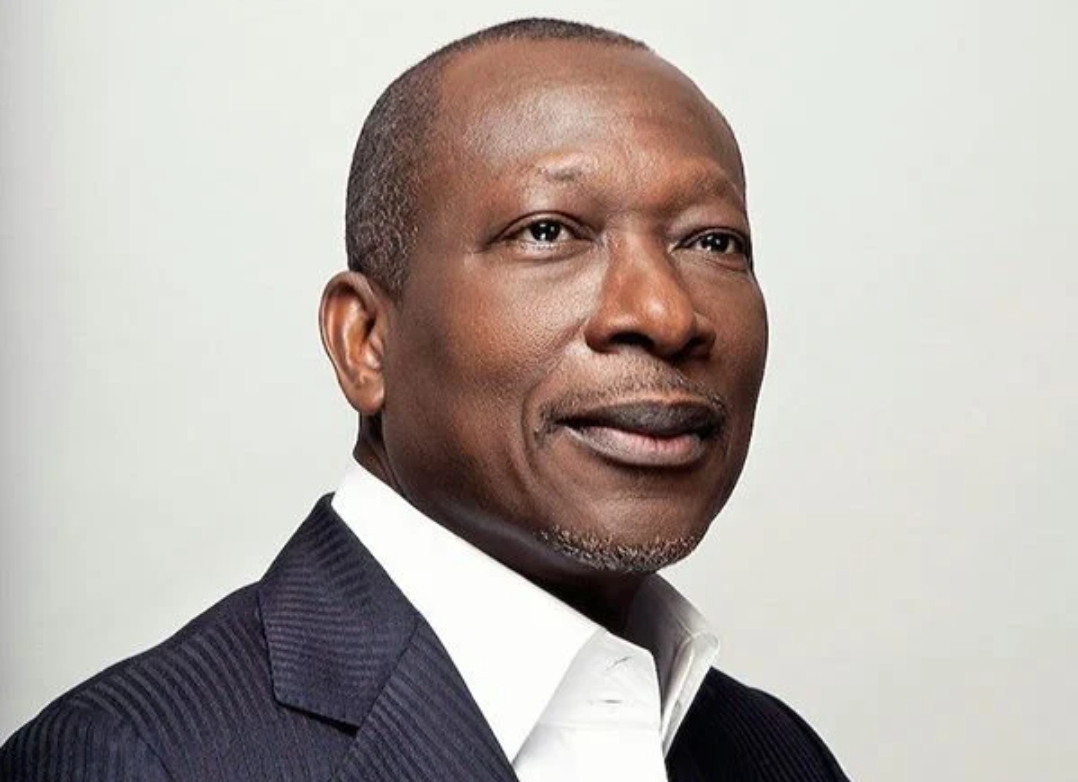
On the morning of December 7, 2025, Benin—a West African nation long considered one of the region’s most stable democracies—faced a sudden political crisis when a group of soldiers seized control of the state broadcaster, Société de Télédiffusion du Bénin (SRTB), and announced a military coup on live television. The soldiers, identifying as the “Military Committee for Refoundation” (Comité Militaire de Refondation), declared that they had overthrown President Patrice Talon, dissolved all state institutions, suspended the constitution and political parties, and closed the country’s land, air, and sea borders. Lieutenant-Colonel Pascal Tigri was named as the head of the committee. The broadcast followed reports of gunfire near Talon’s residence in Porto-Novo, the capital, and the deployment of armored vehicles around key sites in Cotonou, the economic hub.
This dramatic announcement came amid heightened tensions ahead of Benin’s presidential election scheduled for April 2026, which was set to mark the end of Talon’s second (and constitutionally final) term. Talon, a 67-year-old businessman who has ruled since 2016, has faced criticism for consolidating power, including recent constitutional changes that opponents argued could extend his influence. The coup plotters cited governance failures and the need for “refoundation” as their motives, though details remain sparse.
#### Presidency’s Response: Talon Safe, Situation Under Control
Within hours, the Beninese presidency issued a firm rebuttal, insisting that President Talon was unharmed and in a secure location. Government spokesperson Wilfried Houngbedji told the Associated Press that “everything is fine,” emphasizing that the plot involved only a “small group” who had briefly hijacked the TV signal. Foreign Minister Olushegun Adjadi Bakari added that loyalist forces, including the regular army and national guard, had swiftly regained control of the broadcaster and key installations, including the presidential palace. The signal to SRTB was cut off shortly after the announcement, and by mid-morning, reports indicated the rebels had been neutralized with no confirmed casualties.
The U.S. Embassy in Benin urged its citizens to shelter in place and avoid travel, citing reports of gunfire at Camp Guézo near the president’s residence, but later echoed the government’s assurances of stability. The French Embassy, Benin’s former colonial power, confirmed similar incidents but noted the rapid response from security forces.
#### Regional Context: Part of a Broader Wave of Instability
This incident is the latest in a string of military interventions across West Africa, often dubbed the “coup belt.” Since 2020, the region has seen at least 10 successful or attempted coups, including recent ones in Guinea-Bissau (November 26, 2025) and Madagascar (October 12, 2025). Benin, independent from France since 1960, had largely escaped this trend after a history of instability in its early post-colonial years, transitioning to democracy in 1991. However, analysts like Adama Gaye, a former ECOWAS communications director, noted that the attempt “does not come as a surprise,” pointing to underlying frustrations with economic stagnation, youth unemployment, and perceived authoritarian drift under Talon.
ECOWAS (Economic Community of West African States), which has been criticized for inconsistent responses to coups, has yet to issue an official statement as of midday December 7. The bloc’s recent sanctions on junta-led neighbors like Niger and Burkina Faso could influence its stance here.
#### Current Status and What’s Next
As of 10:20 GMT on December 7, the situation appears contained, with no further broadcasts from the plotters and government forces reporting full operational control. Streets in Cotonou saw brief chaos with motorists fleeing amid armored vehicle patrols, but normalcy is reportedly returning. No arrests or leader identifications beyond Tigri have been confirmed, and the borders’ closure status remains unclear—likely temporary if the government prevails.
This failed bid underscores the fragility of democratic gains in West Africa, where military grievances often intersect with public discontent. For Benin, it could accelerate calls for electoral reforms ahead of 2026, but also risks deepening divisions if investigations reveal broader military discontent. International observers, including the UN and African Union, are monitoring closely. Stay tuned for developments, as the full scope of the plot—including any external influences—may emerge in coming days.

