


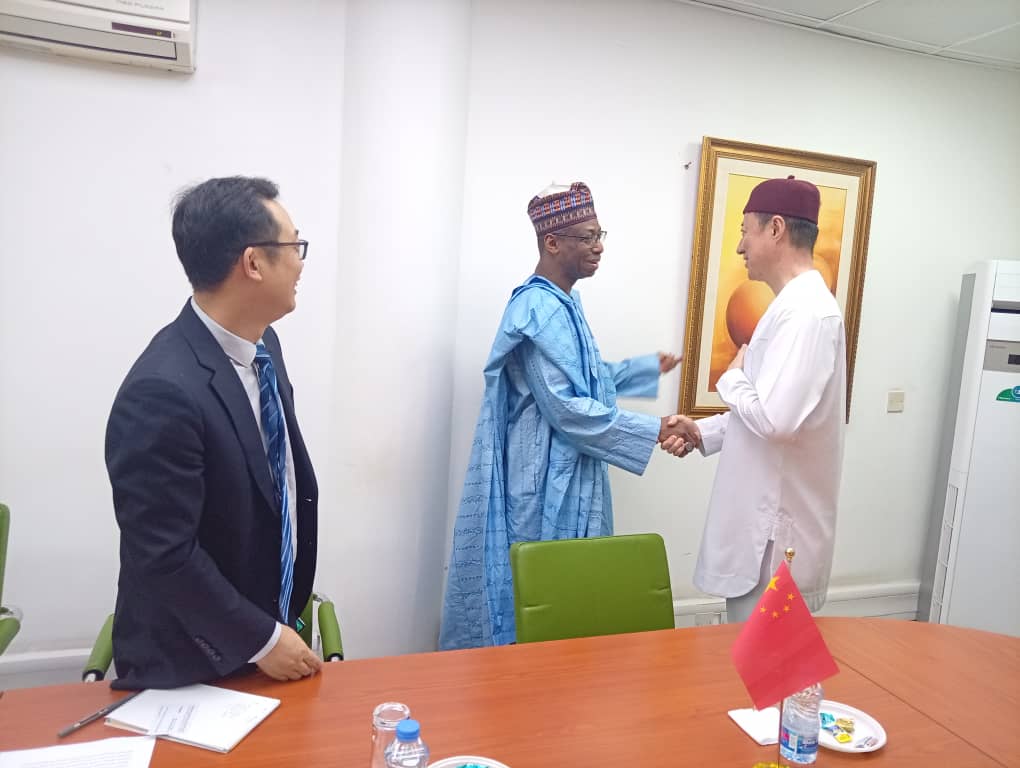
ABUJA — China has encouraged Nigeria to consider membership of the Global Artificial Intelligence Organisation as both countries explore deeper cooperation in artificial intelligence, including research, training, capacity building and the establishment of AI laboratories.
The development followed a meeting between the Permanent Secretary of the Ministry of Foreign Affairs, Ambassador Dunoma Umar Ahmed, and the Chinese Ambassador to Nigeria, Yu Dunhai, at the Ministry in Abuja on Thursday.
The Ministry of Foreign Affairs disclosed this in a statement signed by its spokesperson, Kimiebi Imomotimi Ebienfa, on Friday. The statement said the meeting focused on trade and investment, economic development, security, energy, manufacturing, agriculture, digital technology and other areas of mutual interest.
On artificial intelligence, Ambassador Yu encouraged Nigeria to consider membership of the Global Artificial Intelligence Organisation, explaining that participation would create opportunities for cooperation in AI research, training, capacity building and the establishment of AI laboratories.
The Permanent Secretary indicated that the matter would be followed up with the relevant authorities, noting the potential benefits to Nigeria’s technological development.
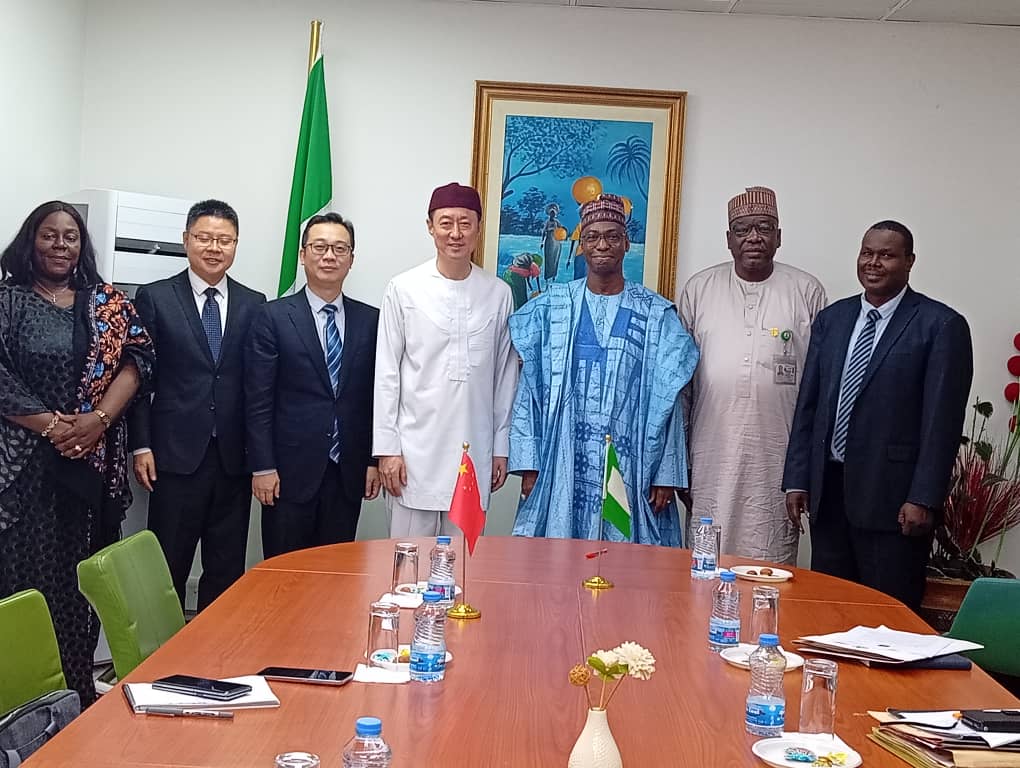
The AI discussions formed part of broader efforts to deepen the Nigeria-China Comprehensive Strategic Partnership and translate the countries’ strong political relationship into tangible economic and developmental outcomes.
China highlights export opportunities
Ambassador Yu also highlighted the opportunity for Nigerian products to access the Chinese market under the country’s zero-tariff policy.
He said the arrangement would create new opportunities for Nigerian manufacturers and exporters, including producers of plastic products, to expand into the Chinese market.
The Chinese government has also decided to provide a RMB200 million grant, approximately US$3.3 million, to support projects to be jointly identified and implemented by both sides.
The Permanent Secretary expressed appreciation for China’s continued support to Nigeria and Africa, while reaffirming Nigeria’s commitment to further deepening the bilateral partnership.
He stressed the importance of increased trade and investment, technology transfer and mutually beneficial development projects.
Ahmed also encouraged greater Chinese investment in Nigeria’s Special Economic Zones as a means of promoting industrialization, value addition and the development of local manufacturing capacity.
He highlighted opportunities arising from Nigeria’s ongoing mining sector reforms and its substantial solid mineral resources, while encouraging greater Chinese investment in manufacturing, energy and other priority sectors.
Renewable energy, manufacturing
The Chinese Ambassador identified the power sector, particularly renewable energy, as an area of considerable potential for enhanced cooperation.
He noted the presence of leading Chinese power companies in Nigeria and stressed that reliable electricity supply remained critical to industrialisation.
China, he said, was ready to support Nigeria’s efforts to expand electricity generation and renewable energy capacity.
Ambassador Yu also emphasised the importance of strengthening Nigeria’s manufacturing base in view of the country’s population and development needs.
Security cooperation
Security cooperation also featured prominently in the discussions.
The Permanent Secretary commended China’s contributions to peacekeeping, counter-terrorism and conflict resolution and called for enhanced collaboration to strengthen Nigeria’s capacity to combat terrorism.
He particularly highlighted the need for greater exchanges in security expertise, technology and capacity building, including cooperation in the deployment of drones and other relevant technologies.
Ambassador Yu reaffirmed China’s readiness to deepen security cooperation with Nigeria and identified manufacturing and power development as additional areas with significant potential for collaboration.
Nigeria reaffirms One-China policy
The Permanent Secretary reaffirmed Nigeria’s adherence to the One-China Policy, while Ambassador Yu expressed appreciation for Nigeria’s established position on the Taiwan issue.
The Chinese envoy urged continued sensitisation of relevant Ministries, Departments and Agencies to ensure that official engagements remain consistent with Nigeria’s position.
The meeting also identified transportation as a potential area for enhanced Nigeria-China cooperation.
Both sides agreed to sustain consultations on trade and investment, manufacturing, energy, agriculture, mining, digital technology, artificial intelligence, security and infrastructure.
They also agreed to follow up on the proposed RMB200 million grant, promote Nigerian exports to China under the zero-tariff arrangement, pursue possible Nigerian participation in the Global Artificial Intelligence Organisation and encourage increased Chinese investment in Nigeria’s priority sectors.
The meeting reaffirmed the two countries’ commitment to deepening their Comprehensive Strategic Partnership and translating the relationship into concrete economic and developmental outcomes.