


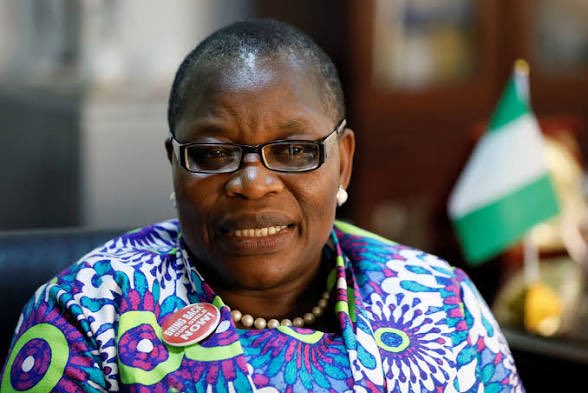
ABUJA — Former Minister of Education and economic policy expert, Dr Obiageli “Oby” Ezekwesili, has credited President Bola Tinubu’s administration with making progress towards macroeconomic stability but said the gains have yet to significantly improve living conditions for millions of Nigerians.
Ezekwesili made the assessment in a recent interview on Nigeria’s economy and the 2027 elections, saying improvements in foreign exchange stability and inflation were positive but insufficient to address widespread poverty and the high cost of living.
“The only thing we can give this administration is that they are getting a handle on macroeconomic stability,” Ezekwesili said.
She explained that foreign-exchange volatility had eased as the government increasingly followed market principles, while official inflation figures had also declined. However, she questioned whether the reported improvement in inflation had translated into meaningful relief for ordinary Nigerians.
“While you can say macroeconomic stability is gradually becoming a thing, it is insufficient… to address the poverty that you see,” she said.
Ezekwesili argued that Nigeria remained far from resolving its deeper economic challenges, pointing to low productivity, structural weaknesses and the continued high cost of living.
She also said the number of Nigerians living in poverty had increased to about 145 million, compared with roughly 133 million under the previous administration, arguing that the quality of life of poor and vulnerable Nigerians had deteriorated.
According to the former minister, the improvement in macroeconomic indicators should therefore not be mistaken for a broad-based recovery in household welfare.
Ezekwesili also criticised aspects of the economic policy approach that preceded the current stabilisation, particularly the sharp increase in inflation following reforms such as the removal of the petrol subsidy.
She has previously described subsidy removal as “a good reform done the wrong way”, arguing that the sequencing and management of reforms contributed to severe economic pressures on households.
The Tinubu administration, however, has highlighted improvements in several key economic indicators as evidence that its reforms are beginning to produce results.
Finance Minister and Coordinating Minister of the Economy, Taiwo Oyedele, recently presented figures showing headline inflation falling from 22.41 per cent in May 2023 to 15.91 per cent in June 2026.
Government figures also showed gross foreign reserves rising from about $35 billion to $52.5 billion, while net reserves increased from approximately $3 billion to $34.8 billion.
Real Gross Domestic Product growth also improved from 2.31 per cent to 3.89 per cent in the first quarter of 2026, according to the figures presented by the government.
The administration has also pointed to a narrowing of the gap between official and parallel-market exchange rates and improved fiscal savings following its fuel subsidy and foreign-exchange reforms.
While acknowledging the progress on macroeconomic stability, Ezekwesili maintained that Nigeria needed to go further by increasing productivity, promoting industrialisation and implementing policies capable of directly improving the welfare of poor and vulnerable citizens.
Her assessment comes amid an intensifying debate over the impact of the Tinubu administration’s economic reforms, with the government emphasising improving macroeconomic indicators while critics continue to focus on the cost of living and household welfare.
Ezekwesili said Nigeria was “not out of the woods”, stressing that economic stability would ultimately need to translate into improved living standards for Nigerians.


