


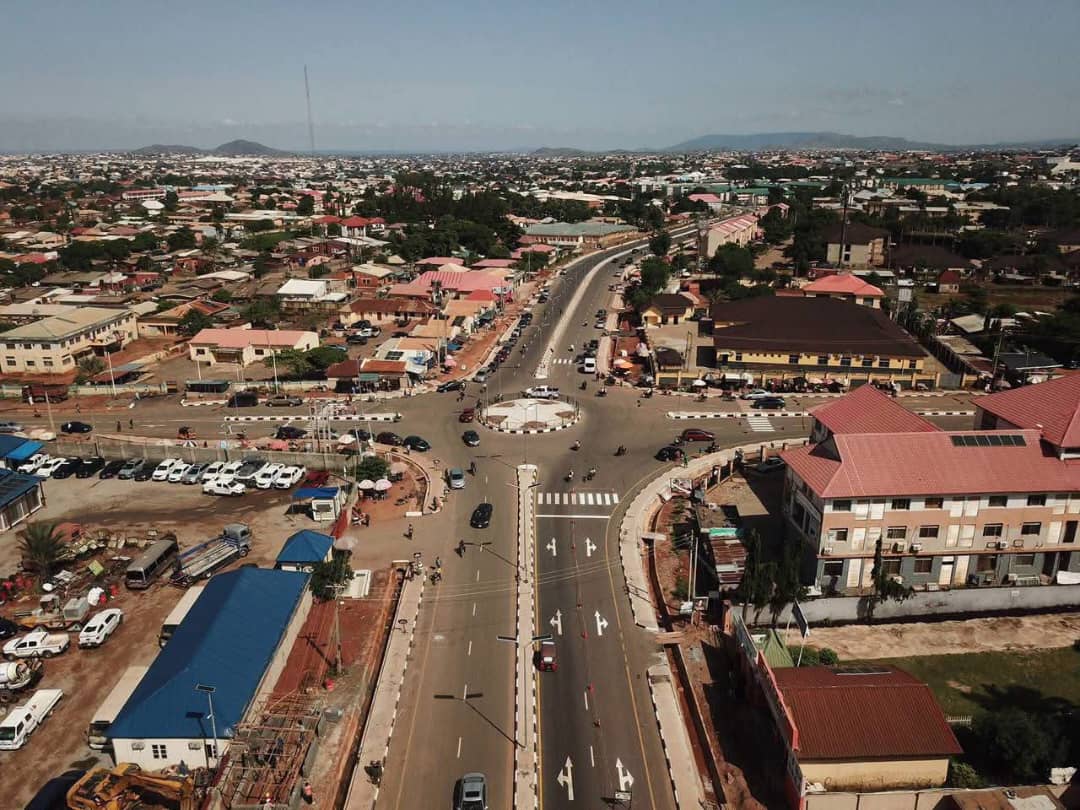
For years, residents, traders, workers and motorists along the densely populated Karu corridor of the Federal Capital Territory (FCT) endured a daily battle with traffic gridlock, flooding and deteriorating roads that made even short journeys stressful and disrupted economic activities.
But the story is changing.
With the rehabilitation and expansion of about 15 kilometres of roads linking the Karu Interchange on the Abuja-Keffi Expressway to Customs Clinic Junction, residents say the transformation has brought relief, improved movement and given businesses along the corridor a new lease of life.
The project, awarded to indigenous contractor Abdul-Val Nigeria Limited, also known as Abduval Limited, on August 22, 2025, covers several important feeder roads, including DSS Road, NIA Road, EFCC Road, Primus Hospital Road and Old CBN Quarters Road.
For shop owner Chinyere Obasi, the difference between the old Karu road and what residents have today is unmistakable.
“Before, the road wasn’t all that good. And there was nothing like that light. But now, as you can see, the road is okay,” she said.
According to Obasi, the improved road infrastructure has also had a positive impact on businesses in the area.
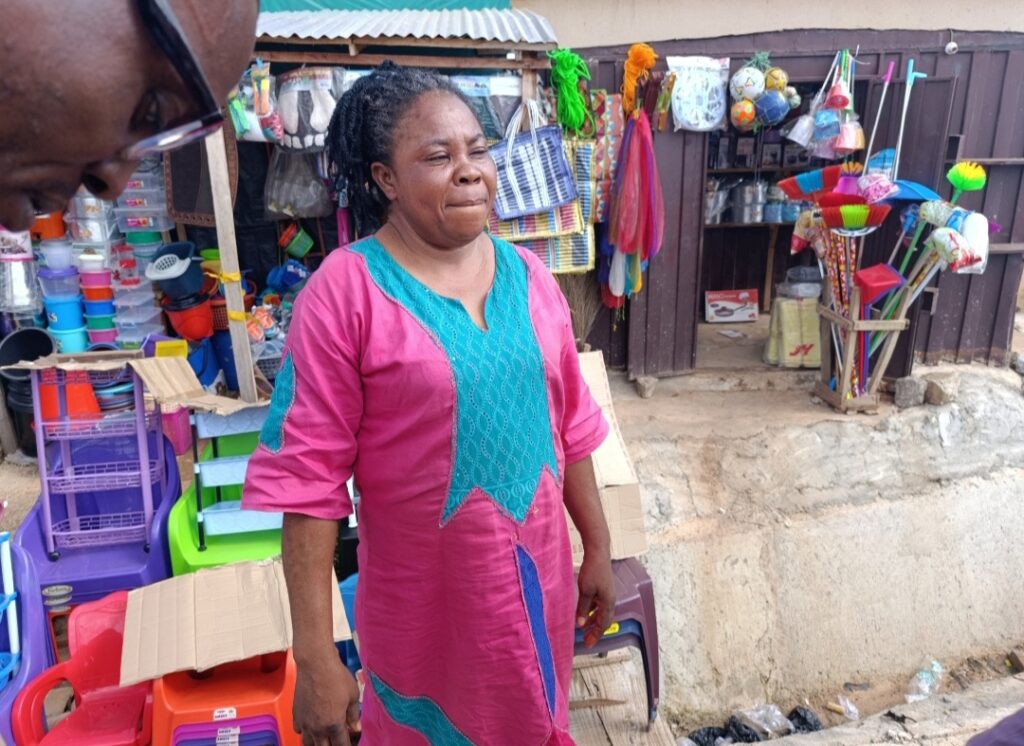
“Our business, by the grace of God, is even better than before. Because now everywhere, when you are walking around, you will see everything. So we are happy that the road is good.”
Asked who she believed was responsible for the transformation, she attributed it to the FCT Minister, Nyesom Wike. “It’s Wike that built the road for us,” she said.
Obasi had only one request for the minister. “I just pray that God will bless him, that he will continue the good work. That is the only thing I have to say.”
For teacher Anita Ogunwunmi, the project has removed one of the biggest headaches she faced on her way to work traffic congestion.
“I think it’s obvious already. Before, the congestion on the road was so bad. When rain falls like this, we can’t pass here, but now, everywhere is free, it’s better, we are happy,” she said.
Ogunwunmi said the improved road had also changed the time she needed to leave home for work.
“The route is faster. You know, before, I used to leave very early to come to work, but now I can leave much later. There’s no hold-up, there’s no traffic. It’s free. The road is free, it’s better.”
Describing the project as a major relief, she said the development had made daily commuting considerably easier.
“It has brought a lot of relief,” she said, while thanking Wike for the project.
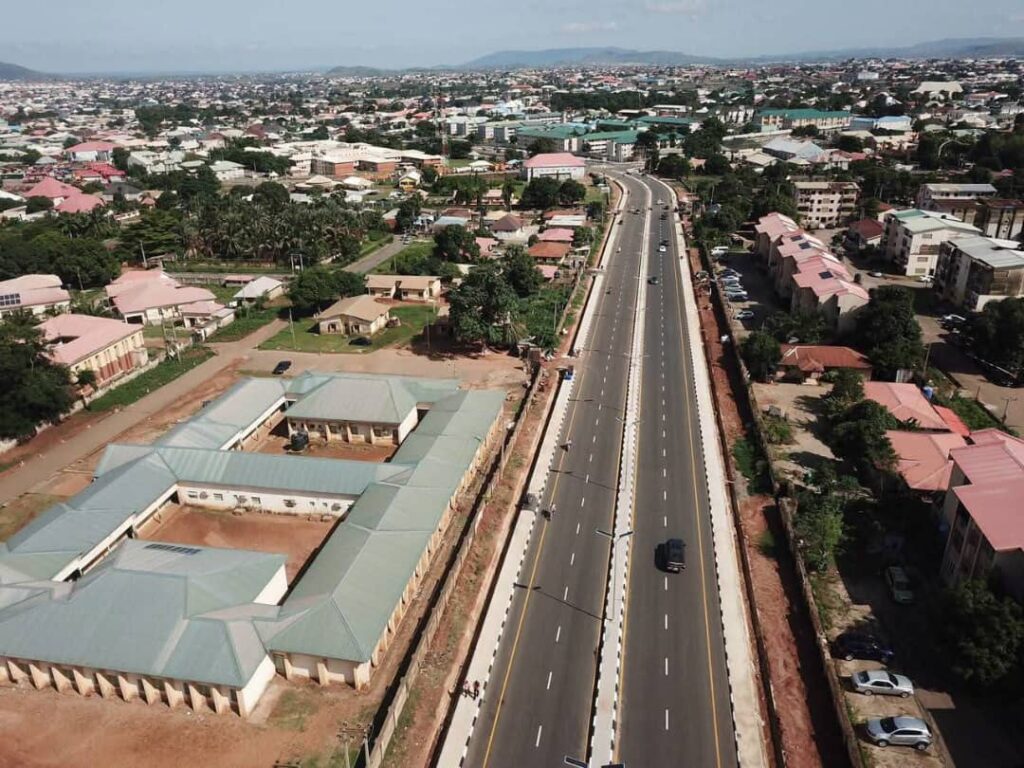
For motorist and engineer Johnpaul Adamu, the transformation is even more striking because of what the area looked like barely a year ago.
“Well, this road has been a major challenge, particularly in FCT, in Karu in particular. If you can remember, 12 months ago, this place was not like this,” Adamu said.
He recalled how poor drainage, flooding and traffic congestion had combined to make the corridor difficult to navigate.
“The road was bad, drainage, when water, when rain falls, there’ll be flooding here and there, and then traffic, the road was choked up with traffic. Those were the challenges we were facing then.”
But, looking at the transformed corridor, Adamu said the difference was difficult to ignore.
“Now, wow, this is, let me say, this is city now. We are happy. The infrastructure is working, there’s streetlights. If you come here by 12, you’ll think this is afternoon. We thank God for everything.”
Adamu was equally effusive in his assessment of the FCT Minister, saying the impact of the administration’s infrastructure projects was visible across the territory.
“For me in particular, I will say, let it be 4+4 for him, because he has done well,” he said.
“In fact, this is the first minister that I’ve seen that has worked, that has provided infrastructure, water, dams, housing everywhere. Everything is going well. We give God the glory. In fact, he has done the best. For me, he’s the best minister I’ve ever seen, FCT Minister in particular.”
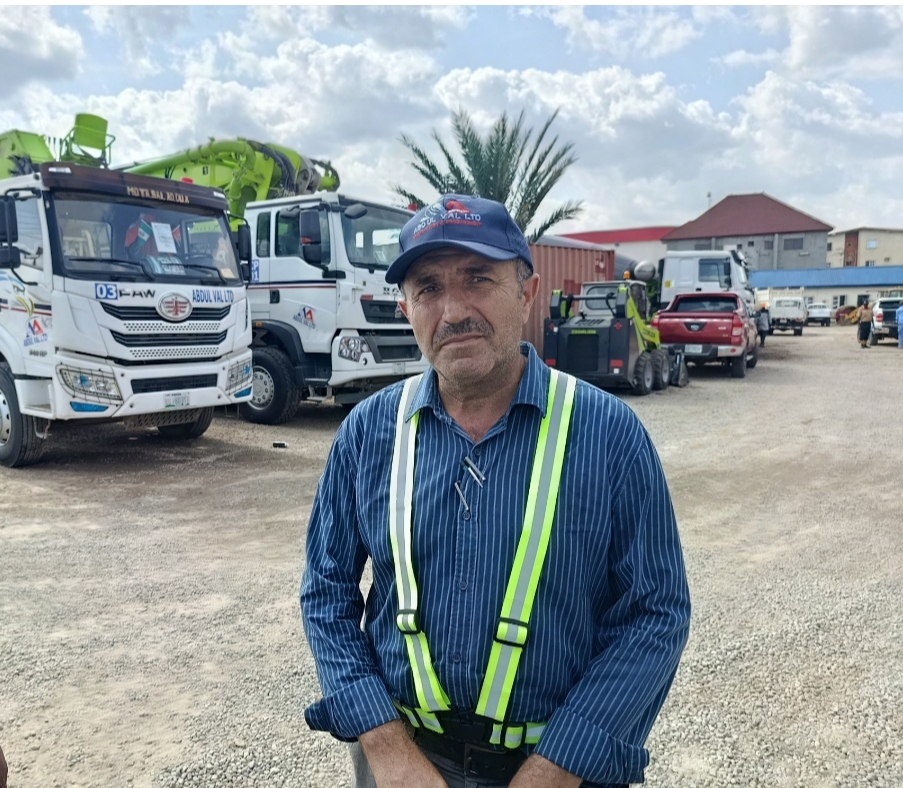
While residents spoke about the impact of the project on their daily lives, the project manager of Abdul-Val Nigeria Limited, Hacı Cengiz, highlighted the significance of the project to Nigeria’s indigenous construction industry.
Cengiz said the company was proud to have delivered the project as an indigenous contractor, adding that government support for local firms could help deepen technical capacity and investment within the country.
“We are not a foreign company, but thank God we are doing well, and the minister is supporting indigenous companies very well,” he said. “Thank you, Minister.”
According to Cengiz, the Karu project was the second major road project successfully completed by the company within a short period.
“This is the second project we are going 100 per cent we finished. Before, in Ushafa, now this Karu project completely finished, 100 per cent completed.”
He said the company had previously completed the 15-kilometre dualisation project in Ushafa, also ahead of schedule.
“Last year we completed Ushafa. It is 15 kilometres, dualisation of the road. And our quality is high standard, international standard. We are using West African standards quality.”
Cengiz said the Ushafa project was originally scheduled to take 18 months but was completed in seven months.
“For example, in Ushafa it was 18 months, but we completed it in seven months, 100 per cent. Now we come here, the same thing in Karu. About 15 kilometres in Karu also, dualisation of the road. And 100 per cent we completed. That is why the minister, Mr Wike, commissioned the project.”
Beyond the construction itself, Cengiz said Abdul-Val had also supported surrounding communities by providing assistance outside the immediate scope of its contractual obligations.
“In Ushafa and in Karu also, we are supporting, we are trying our best to support the community for the access roads and sports, not only the scope of the work,” he said.
“If the community needs assistance from us, we are helping.”
He credited the company’s management with providing the materials and equipment required to complete the project successfully.
“Our MD is supporting us very well. When we need materials, equipment and everything, they are supplied, and we successfully complete the project. And we have the capacity to do it, thank God.”
The project has also generated employment for residents, with Cengiz putting the current workforce at about 259 people.
“Up till now, about 259 workers are working. Especially, the majority are from the community. Where we are working, we are employing from the community.”
He said the benefits of the project extended beyond direct employment, as workers’ earnings also circulated within the local economy.
“Not only employment, also, you know, when our workers are already buying some things,” he added.
For Cengiz, the larger significance of the Karu project lies in strengthening the capacity of Nigerian contractors and retaining technical knowledge and investment within the country.
“It is an indigenous company. Our MD is supporting very well, and especially the minister,” he said.
“I want to say, ‘Thank you, Minister,’ because he is supporting indigenous companies. It is very important because, you know, foreign companies, when they come and do the work, later on, after two, four, five years, they go.”
“But indigenous companies the experience, knowledge, data, everything stay here. And you see our equipment, this is a big investment for Nigeria.”
For the people who live and work along the Karu corridor, however, the significance of the project is perhaps best measured not in kilometres of asphalt or engineering specifications, but in the everyday moments that have become easier: getting to work without leaving home at dawn, moving goods without losing hours in traffic, reaching homes and businesses without battling flooded roads, and travelling through a corridor that residents now describe as looking more like a modern city.
The transformation, they say, has turned what was once a source of daily frustration into a road they can finally move through with greater confidence.