



Nigeria is seeking stronger cross-border intelligence sharing and weapons tracking with neighbouring countries to curb illicit arms trafficking linked to banditry, terrorism, kidnapping and communal violence.
The Minister of Foreign Affairs, Ambassador Bianca Odumegwu-Ojukwu, called for closer regional cooperation during a meeting with the Director-General of the National Centre for the Control of Small Arms and Light Weapons (NCCSALW), Deputy Inspector-General of Police Johnson Babatunde Kokumo (retd.), in Abuja on Wednesday.
The Ministry of Foreign Affairs disclosed this in a statement issued on October 21 and signed by its spokesperson, Oluwafemi Adeniyi.
Odumegwu-Ojukwu described the trafficking and proliferation of small arms and light weapons as serious threats to national security, regional stability and sustainable development, stressing the need for stronger international cooperation to tackle the problem.
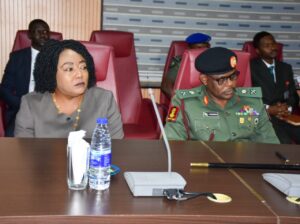
She called for improved coordination on weapons tracing and intelligence sharing with neighbouring countries and international partners, particularly across the Sahel and the Lake Chad Basin.
The minister also urged that arms control and weapons-tracing cooperation be incorporated into the emerging framework for dialogue between the Economic Community of West African States (ECOWAS) and the Confederation of Sahel States (AES).
Nigeria Targets Illegal Arms Supply Networks
Odumegwu-Ojukwu identified cross-border trafficking, local artisanal weapons production and the theft or diversion of firearms from government stockpiles as key channels through which illicit weapons enter circulation.
She said tackling these sources was essential to protecting lives, restoring livelihoods and creating the security conditions needed for investment and development.
The minister called for stronger coordination among government agencies responsible for weapons tracing, secure storage of authorised firearms, investigations into weapons diversion and verification of end users.
She also emphasised the need to destroy recovered illicit weapons where appropriate to prevent them from returning to circulation.
According to the ministry, the NCCSALW has been working to trace intercepted weapons, investigate trafficking networks, secure government arms stockpiles and destroy recovered illicit firearms.
Kokumo outlined these activities during the meeting and requested stronger diplomatic support to advance the centre’s mandate.
Nigeria Reaffirms Commitment to International Arms Control
The foreign affairs minister reaffirmed Nigeria’s commitment to regional and international frameworks designed to control small arms and light weapons.
These include the ECOWAS Convention on Small Arms and Light Weapons, the African Union’s Silencing the Guns initiative, the Arms Trade Treaty, the United Nations Programme of Action on small arms and light weapons, and the International Tracing Instrument.
She pledged that the Ministry of Foreign Affairs would work more closely with the NCCSALW in preparing Nigeria’s positions for relevant international meetings and facilitating engagement with foreign partners.
The two sides agreed on the need for stronger institutional collaboration, improved technical responses and coordinated diplomatic engagement to combat illicit arms trafficking.
Minister Calls for Community Action
Beyond border security and international cooperation, Odumegwu-Ojukwu called for greater public awareness of the dangers posed by illicit weapons.
She urged the involvement of traditional institutions, community leaders and women’s groups in efforts to prevent weapons proliferation and strengthen local peacebuilding.
The minister also stressed the importance of preventing young people from being recruited into criminal networks and strengthening support for deradicalisation initiatives.
The renewed collaboration places diplomatic engagement alongside law enforcement, intelligence sharing and community participation in Nigeria’s efforts to tackle the circulation of illicit firearms.


