


Nigeria’s data consumption jumped by almost 47 per cent year-on-year, reaching 1.66 million terabytes in July 2026, the Nigerian Communications Commission (NCC) has disclosed.
The figure, which rose from 1.13 million terabytes recorded in July 2025, underscores the growing demand for reliable digital connectivity as more Nigerians and businesses depend on telecommunications services for work, education, commerce and access to essential services.
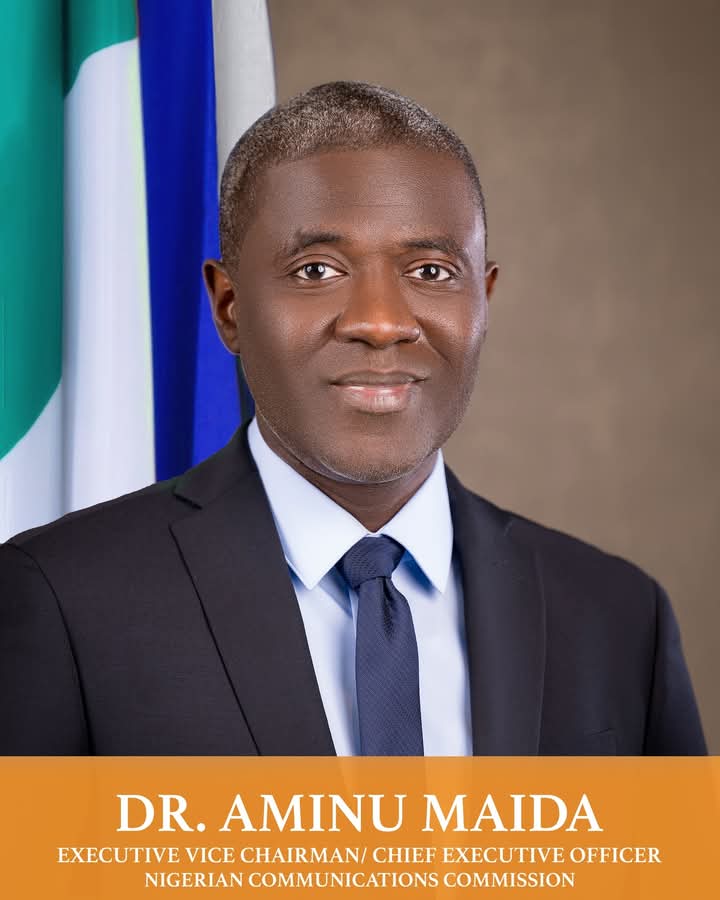
NCC Executive Vice Chairman and Chief Executive Officer, Dr Aminu Maida, disclosed the figures in Abuja while declaring open the first Nigeria Digital Connectivity Investment Forum.
The two-day forum, organised by the NCC in partnership with Swedfund and Ookla, brought together investors, telecom operators, financiers, development partners, state governments, infrastructure companies and technology leaders to identify investment opportunities and discuss financing models for expanding digital connectivity.
Maida said the surge in data consumption showed the need for sustained investment in telecommunications infrastructure to expand network capacity and improve the quality of services already available to consumers.
“Keeping pace will require sustained investment, both to expand networks and to improve the experience of people already connected,” he said.
The NCC boss said the demands placed on telecommunications networks had changed significantly, with traders relying on digital payments, students attending online classes and businesses serving customers across the country through digital platforms.
He added that the growing adoption of cloud services and artificial intelligence would further increase demand for reliable connectivity.
Maida said the forum was designed to provide an evidence-based discussion on what would be required to expand networks, improve users’ experience and close connectivity gaps across the country.
He recalled that Nigeria’s telecommunications revolution began gaining momentum following policy reforms and a transparent licensing process that encouraged private investment in the GSM market in 2001.
According to him, the experience remains relevant as Nigeria seeks to attract fresh investments into the sector.
“The Nigerian Communications Act 2003 expressly recognises the importance of encouraging investment and gives the Commission a responsibility to facilitate it,” Maida said.
He added that the NCC would continue to balance its investment facilitation role with consumer protection and the promotion of fair competition.
The NCC chief executive also highlighted measures taken by the Federal Government and the commission to improve the investment climate, including the 2025 tariff adjustment, the designation of telecommunications infrastructure as Critical National Information Infrastructure (CNII), and engagement with state governments on Right of Way (RoW) challenges.
Maida said the 2025 tariff adjustment had helped address financial pressures facing telecom operators and restore their capacity to invest, while the regulatory expectation remained that consumers should see improved quality of service.
He said the designation of telecom infrastructure as CNII had also strengthened the legal framework for protecting critical telecommunications assets against vandalism and sabotage.
On Right of Way, Maida said sustained engagement with state governments was helping to address deployment costs and other bottlenecks affecting fibre and telecommunications infrastructure rollout.
He stressed that investors needed certainty about how regulations would be applied and decisions made, while acknowledging that practical deployment challenges remained.
The NCC boss also announced that the commission was strengthening evidence-based regulation through its collaboration with Swedfund and Ookla.
He said independent information on actual network performance, combined with market and other industry data, was helping the regulator identify service gaps and areas requiring further investment.
Maida disclosed that the NCC’s Consumer Data Lab, funded by the Gates Foundation and developed in collaboration with Innovations for Poverty Action (IPA), was integrating Ookla speed and coverage data, consumer complaints and information on operators’ interventions.
According to him, the platform would enable the commission to examine service issues according to location and demographic groups, assess the impact of interventions and identify areas requiring further network deployment or upgrades.
Participants at the investment forum are expected to examine connectivity opportunities across Nigeria’s geopolitical zones and explore financing options ranging from commercial investment to shared infrastructure and blended finance.
Deal-oriented roundtable sessions will also focus on identifying projects, investment barriers and possible partnerships.
Maida urged participants to use the forum to identify concrete projects and develop practical solutions to the challenges slowing connectivity investment.
“Nigeria’s next phase of growth will depend on how well we connect our people and businesses,” he said.
He added that investments facilitated through the forum should ultimately make it easier for Nigerians to earn a living, learn and access essential services.