


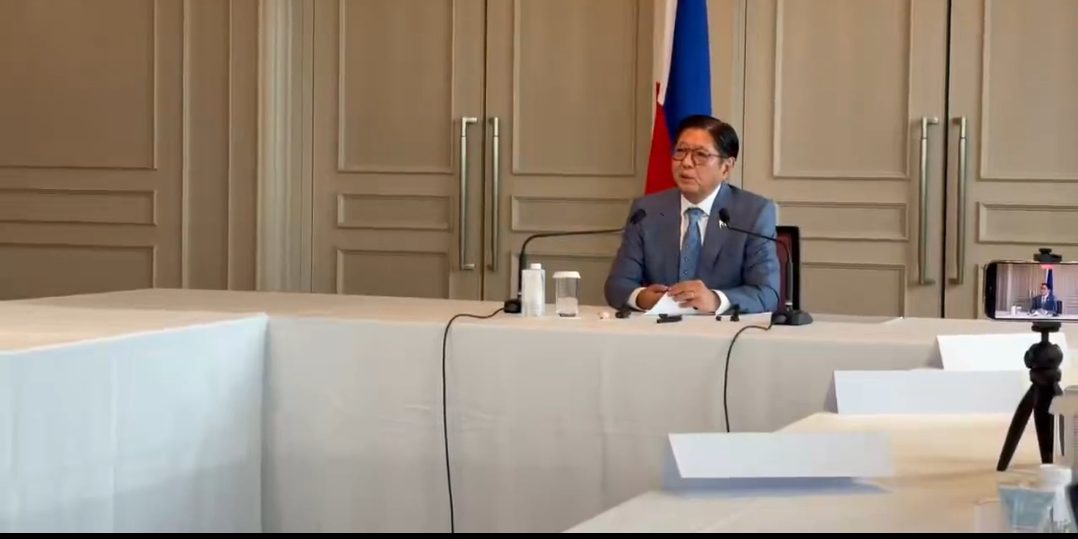
Manila, Philippines – President Ferdinand Marcos Jr., through Malacañang Palace, has expressed opposition to proposals allowing remote or online voting in the Senate, insisting there is no “force majeure” or national emergency to justify such a rule change.
Malacañang Press Officer Claire Castro said on May 27, 2026, that current conditions do not warrant shifting from physical to virtual/online participation in Senate proceedings, particularly for sensitive matters such as impeachment trials.
“There is no force majeure or calamity that would justify remote voting,” the Palace stated, emphasizing that physical presence remains critical for accountability, transparency, and the integrity of legislative processes.
The position comes amid an ongoing debate in the Philippine Senate over a proposal to amend its rules to permit senators to vote via teleconference or other electronic means for what has been described as “justifiable reasons.”
The proposal has sharply divided lawmakers. Minority senators, including Risa Hontiveros, Francis Pangilinan, and Erwin Tulfo, staged a walkout on May 26 in protest, warning that the move could undermine democratic processes and create what they described as a “dangerous precedent.”
Critics argue that allowing remote voting could enable absent senators to participate in crucial decisions without being physically present, raising concerns about jurisdiction, accountability, and the credibility of Senate proceedings.
Former Senate President Franklin Drilon also cautioned that such a change could weaken institutional norms by permitting lawmakers to vote outside official legislative settings.
The controversy is unfolding as the Senate prepares for the impeachment trial of Vice President Sara Duterte, scheduled to begin around July 6, 2026, following her impeachment by the House of Representatives on May 11.
The high-stakes trial, which includes allegations of misuse of public funds and other constitutional violations, has intensified scrutiny over Senate procedures, with stakeholders stressing that senators—who will serve as judges—must be physically present.
While President Marcos has reiterated a non-interference stance on the impeachment process, the Palace’s position on remote voting signals concern over maintaining procedural integrity during a politically sensitive period.
The debate highlights growing tensions within the Senate, as well as broader political divisions linked to the evolving dynamics between the Marcos and Duterte camps.
As discussions continue, no final decision has been reached on whether the Senate will adopt remote voting rules.