


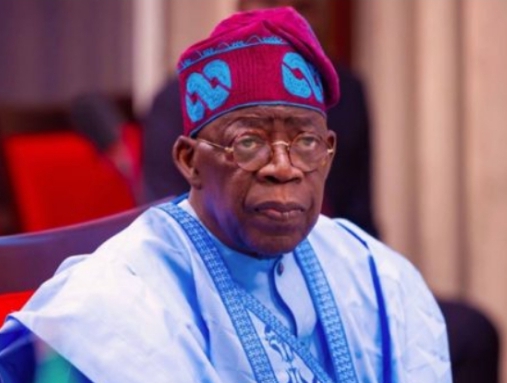
ABUJA, December 21, 2025 – A political group has called for the impeachment of President Bola Tinubu over explosive allegations that the executive branch illegally altered key tax reform laws after they were passed by the National Assembly.
The call by the League of Northern Democrats (LND) marks a significant escalation in a growing political crisis that has united opposition figures and civil society groups in demanding a suspension of the new tax laws and a full investigation.
The Core Allegation: “A Direct Assault on Legislative Power”
The controversy stems from claims first raised on the floor of the House of Representatives by member Abdussamad Dasuki (PDP, Sokoto) . Dasuki alleged that the versions of four new tax laws published in the official government gazette contain material differences from the bills that were debated, voted on, and passed by the legislature .
Critics allege that accountability provisions were stripped out and new, “coercive” powers for tax authorities were inserted without legislative approval . These reportedly include powers of arrest, the ability to take over property for non-compliance without court orders, and requirements for large cash deposits before taxpayers can appeal assessments
The League of Northern Democrats, in a letter to the National Assembly leadership, argued that such an act would constitute “a direct assault on the legislative powers” and an “illegal usurpation” that amounts to “gross misconduct”—the constitutional grounds for impeachment .
Opposition and Civil Society Echo Calls for Action
The LND is not alone in its demands. A coalition of opposition voices has united in calling for transparency and accountability:
Key Demands from Various Groups
· League of Northern Democrats (LND): Calls for investigation, public release of both law versions, and impeachment proceedings under Section 143 if allegations are proven .
· Former VP Atiku Abubakar & Peter Obi: Demand suspension of the laws’ implementation pending an independent probe to “restore public confidence” .
· African Democratic Congress (ADC): Alleges “forensic” proof of alterations and “criminal insertions”; calls for suspension, investigation, and prosecution .
· Centre for Information Tech. & Development (CITAD): Warns of “grave constitutional” issues; demands transparent investigation and suspension of the January 1, 2026, implementation date .
The Presidency’s Firm Denial
The Presidency has categorically dismissed all allegations. Senior aides have labeled the claims “opposition noise” aimed at creating controversy and insist no changes were made outside the established legal process .
“The law has already been passed… and by January 1, it will come fully into effect,” stated Special Adviser Bayo Onanuga, ruling out any suspension . The Presidency maintains that the House of Representatives’ own ad-hoc committee should be allowed to complete its work .
A Daunting Impeachment Process
While the LND has invoked Section 143 of the Constitution, the path to impeaching a president in Nigeria is deliberately long and requires very high political consensus. The process has never been successfully completed in the country’s democratic history .
Key Steps in the Impeachment Process
1. Notice of Allegation: Must be signed by at least one-third of all National Assembly members (157 out of 469) and presented to the Senate President .
2. Initial Vote: Within 14 days, each chamber must vote, without debate, on whether to investigate. This requires a two-thirds majority in both the Senate and House.
3. Investigation Panel: If the vote passes, the Chief Justice of Nigeria appoints a 7-member independent panel to investigate .
4. Final Removal: The panel reports back. If it finds the allegation proven, the National Assembly must again secure a two-thirds majority in each chamber to adopt the report and remove the president from office .
Broader Context: A Pattern of Executive-Legislative Tension
This controversy does not exist in isolation. It follows a recent Supreme Court ruling on December 15 that affirmed broad presidential powers during a state of emergency—a decision criticized by the ADC as creating a “constitutional tyrant” .
The LND’s letter also references other “unconstitutional” executive actions, including allegations of unauthorized contracts, suggesting a building narrative of executive overreach . Meanwhile, the ruling APC maintains a strong majority in the National Assembly, making the prospect of gathering the supermajority needed for impeachment highly unlikely in the current political climate .
The immediate next step rests with the seven-man ad-hoc committee established by the House of Representatives. Its findings will determine whether the allegations fade or ignite a full-blown constitutional confrontation.

