


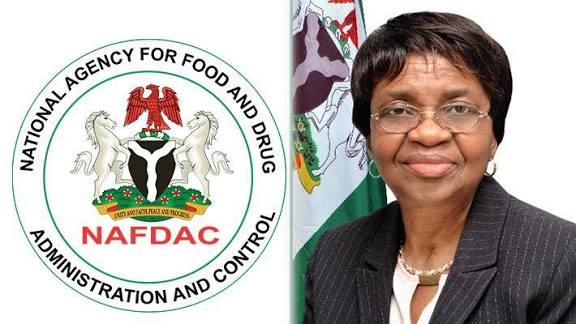
The Federal Ministry of Health and Social Welfare has told the Federal High Court that the National Agency for Food and Drug Administration and Control (NAFDAC) has the sole statutory authority to enforce the ban on alcoholic beverages packaged in sachets, PET bottles, and glass containers below 200 millilitres.
In a counter-affidavit filed on February 23, 2026, the ministry, through its counsel, Jumoke Motilayo Falaye, stated that it does not interfere in NAFDAC’s enforcement decisions and is not an enforcement arm of the Federal Government.
The ministry explained that NAFDAC, established under the NAFDAC Act, possesses clearly defined regulatory and enforcement powers over food, drugs and related products, including alcoholic beverages. It maintained that it lacks the legal authority to direct, restrain or suspend the agency from carrying out its statutory mandate.
According to the affidavit, the Minister of Health and Social Welfare has not approved any further extension of the moratorium on the enforcement of the sachet alcohol ban. The ministry added that NAFDAC’s powers, derived from Sections 5 and 30 of its enabling Act, place all enforcement decisions squarely within the agency’s jurisdiction.
It also dismissed allegations of ministerial interference as speculative and unsupported by evidence.
The suit, marked FHC/L/CS/2568/25, was filed by the Socio-Economic Rights and Accountability Project (SERAP) against the Minister of Health and Social Welfare and the Attorney-General of the Federation.
SERAP is seeking a court declaration affirming that the sachet alcohol ban is a valid regulation under the NAFDAC Act and that the minister lacks the authority to grant or extend any moratorium on its enforcement. The group is also asking for injunctions restraining federal authorities from interfering with NAFDAC’s statutory responsibilities.
In its originating summons dated December 15, 2025, SERAP argued that delays in enforcing the ban undermine public health protections and existing regulatory laws.
The organisation maintained that sachet alcohol, often cheap and easily accessible, has fueled rising abuse, particularly among youths and low-income communities.
The matter is pending before the Federal High Court.

