


ABUJA, Nigeria — The House of Representatives has launched a probe into allegations of abuse, misconduct and lack of transparency in the repatriation of trafficked Nigerian girls from Mali, raising fresh concerns over Nigeria’s anti-human trafficking framework.
The inquiry, led by the House Committee on Humanitarian Services, is reviewing the country’s response to human trafficking, with a focus on gaps in the rescue, rehabilitation and reintegration of victims across West Africa.
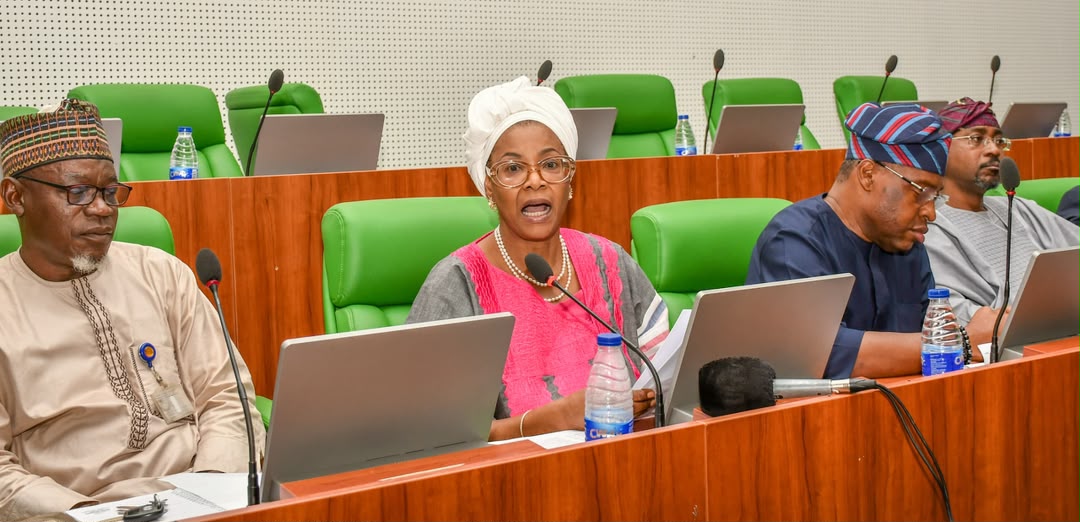
The allegations were presented during a stakeholder meeting in Abuja, where lawmakers engaged government agencies, security institutions, civil society groups, development partners and migration experts.
Central to the deliberations was a petition by the National Council of Child Rights Advocates, Nigeria (NACCRAN), which accused some officials linked to the Nigerian Embassy in Bamako of misconduct and irregularities in handling rescued victims.
Presenting the findings, NACCRAN’s Operations Consultant on Diaspora Issues, Prince Adefioye Gbolagade Simeon, said he spent 11 months investigating the trafficking of Nigerian girls into prostitution across Mali, Benin, Togo, Burkina Faso and Senegal.
“Our investigation revealed that the rescued girls were often kept around the Embassy while awaiting repatriation through the International Organization for Migration (IOM). Questions regarding the utilisation of these funds were never satisfactorily answered,” he said.
He alleged that victims were subjected to prolonged stays at the embassy despite funds reportedly collected for their return, adding that some girls suffered physical and emotional abuse after resisting exploitation.
Simeon also raised concerns about documentation practices, claiming migrants paid between 10,000 and 15,000 CFA francs for identification cards, many of which were later rejected at border points.
He further alleged intimidation by embassy officials when concerns were raised, including threats of arrest and detention.
The petitioner, however, acknowledged the intervention of the House Committee, which he said led to the deployment of a Ministry of Foreign Affairs fact-finding team to Mali in July 2025 and the eventual repatriation of more than 10 underage Nigerian girls between September and December 2025.
According to him, some of the victims were handed over to the National Agency for the Prohibition of Trafficking in Persons (NAPTIP) and later reunited with their families.
The House noted that the allegations remain unverified at this stage.
In her remarks, Chairperson of the Committee, Hon. Tolulope Akande-Sadipe, described human trafficking as a major humanitarian and human rights crisis affecting Nigeria.
“Behind every statistic is a human story: a mother separated from her children, a young person whose dreams have been exploited,” she said.
She stressed that repatriation alone is insufficient, warning that without proper rehabilitation and reintegration, victims remain vulnerable to re-trafficking.
“The true measure of our success lies not simply in repatriation, but in the quality and sustainability of the support we provide after survivors return,” Akande-Sadipe added.
She called for a coordinated, survivor-centred approach that includes healthcare, psychosocial support, education, legal assistance and sustainable livelihoods.
The committee reaffirmed its commitment to strengthening oversight, improving inter-agency collaboration and developing policies to better protect vulnerable Nigerians from trafficking and exploitation.