


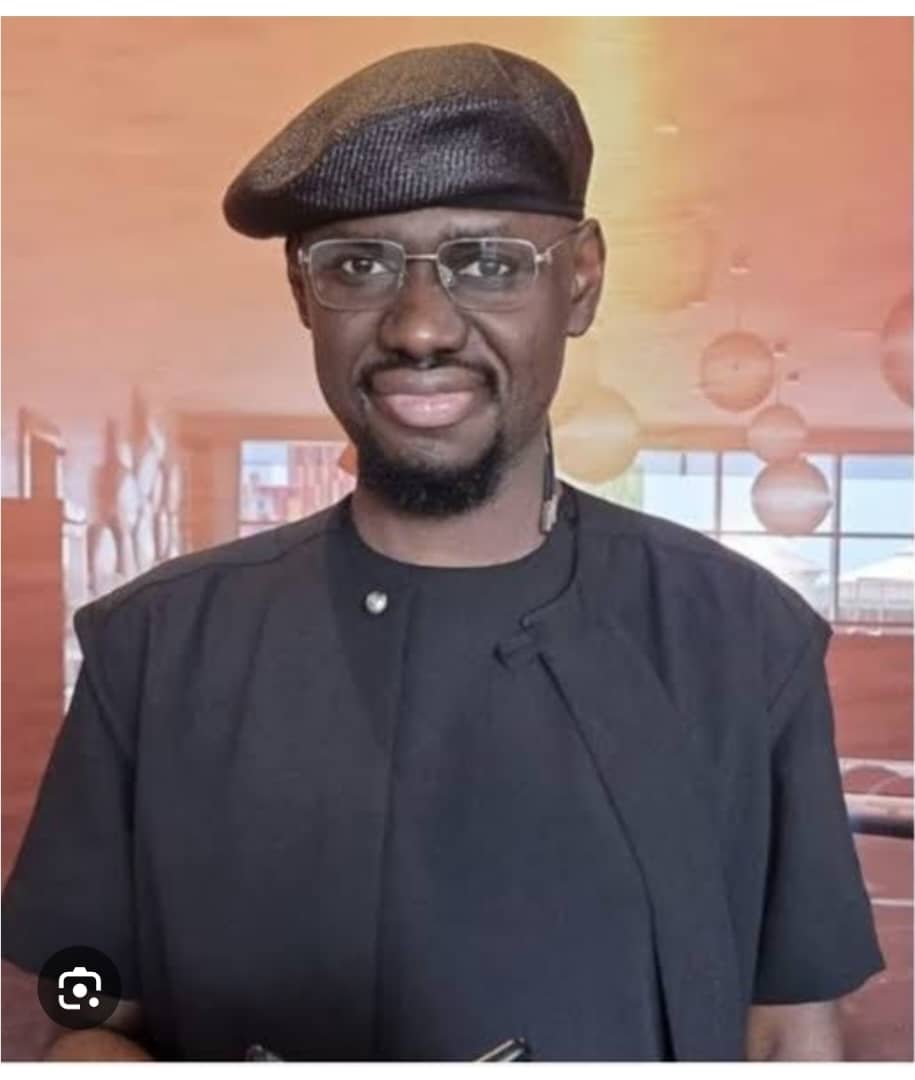
Former Deputy National Publicity Secretary of the All Progressives Congress (APC), Timi Frank, has accused ex-President Olusegun Obasanjo of repeatedly targeting former Vice President Atiku Abubakar ahead of general elections, urging him to focus on national issues as 2027 approaches.
Frank made the remarks in a statement issued in Abuja on Saturday, alleging a pattern in which Obasanjo criticises Atiku during election cycles, describing it as an attempt to make him an “election-year scapegoat.”
“It is now a home movie series where you remember Atiku every four years simply to smear your former vice president whenever elections approach,” Frank said.
He argued that Obasanjo, as president between 1999 and 2007, should take responsibility for both the successes and shortcomings of his administration rather than attributing failures to his former deputy.
According to Frank, Atiku played a key role in assembling technocrats and professionals who drove reforms during the Obasanjo administration, challenging the former president to acknowledge that contribution.
He also referenced controversial military operations in Odi, Bayelsa State, and Zaki Biam in Benue State, insisting that decisions taken during that period ultimately rested with the president.
Frank further alleged that Atiku has faced multiple investigations over the years without proof of wrongdoing, urging Obasanjo to direct similar scrutiny toward current national challenges.
He called on the former president to abandon what he described as “stale blackmail tactics” and instead openly support any preferred candidate ahead of the 2027 presidential election.
The former APC spokesman said Atiku’s decision not to engage publicly with Obasanjo reflects political maturity, adding that Nigeria’s leadership would ultimately be determined by voters, not endorsements.
Frank also urged Obasanjo to act as an elder statesman and emulate former leaders such as Ibrahim Babangida, Abdulsalami Abubakar and Yakubu Gowon in promoting national unity.
The statement adds to growing political discourse ahead of the 2027 elections, with key actors positioning themselves in Nigeria’s evolving democratic landscape.