


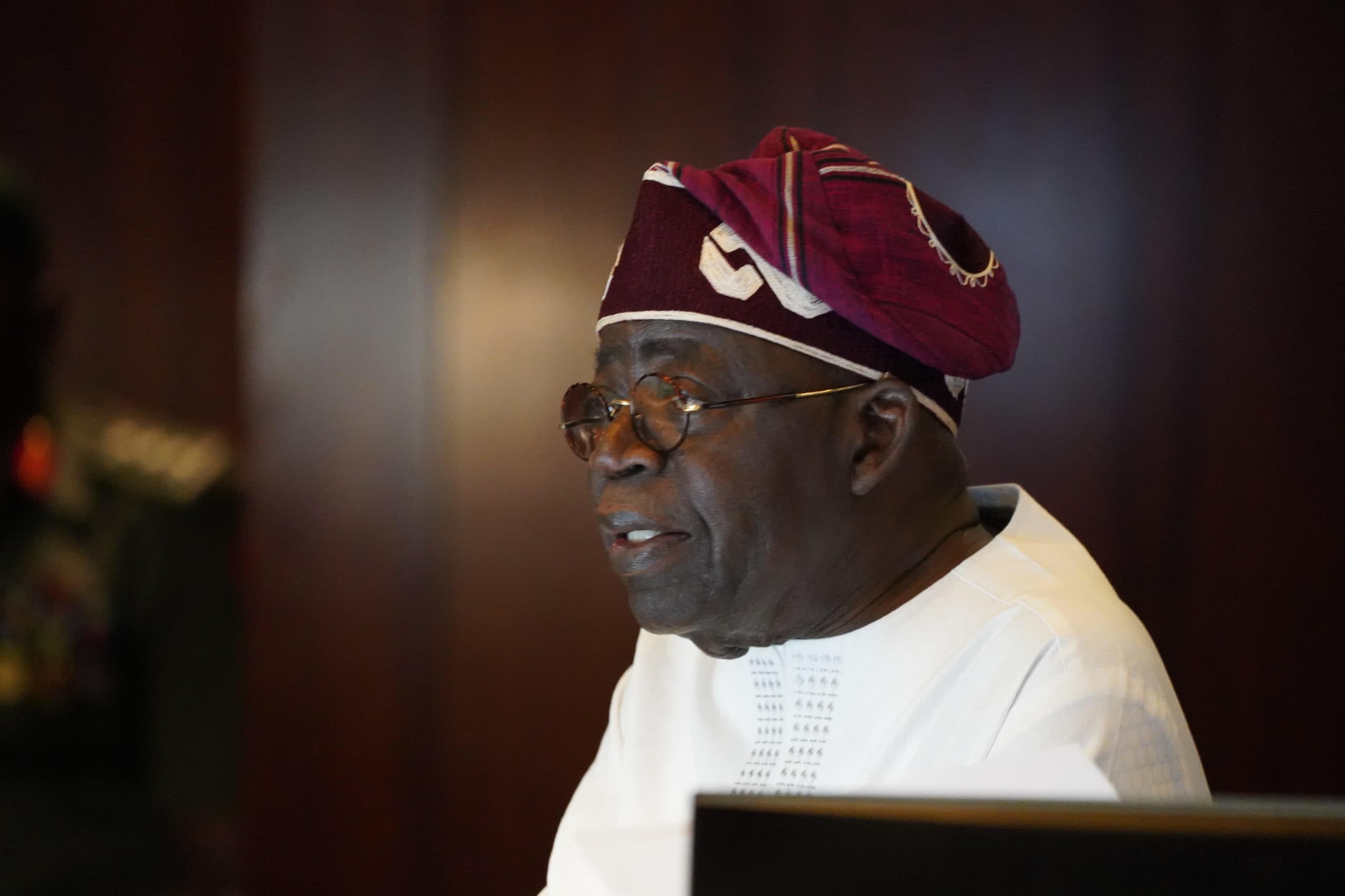
ABUJA, Nigeria — President Bola Ahmed Tinubu has defended his administration’s decision to remove fuel subsidies and unify Nigeria’s foreign exchange system, stating that the reforms were critical to preventing an economic breakdown.
In his address marking three years in office, Tinubu said Nigeria faced severe fiscal and structural challenges when he assumed leadership, including unsustainable subsidy spending and distortions in the foreign exchange market.
“At the height of the subsidy regime, Nigeria was spending as much as ₦18.4 billion daily… over ₦4 trillion in 2022 alone,” the president said, noting that such spending limited investment in infrastructure and social services.
He also highlighted the impact of multiple exchange rate windows, which he said encouraged arbitrage and led to losses exceeding ₦8 trillion over three years.
According to Tinubu, the reforms—though difficult—were necessary to stabilise public finances and restore investor confidence.
“The situation demanded urgent and courageous action… we chose reform over ruin and decisiveness over hesitation,” he stated.
The president acknowledged that the removal of subsidies and forex unification contributed to a rise in the cost of living, affecting households and businesses nationwide. However, he maintained that the measures have laid the foundation for long-term economic recovery.
Tinubu added that Nigeria’s economy is now more competitive, with improving public finances and increasing investor interest, as reflected in recent market performance and capital inflows.
He reiterated his administration’s commitment to ensuring that the benefits of the reforms translate into tangible improvements in the lives of Nigerians.