


In a dramatic 24-hour rescue mission that has sent shockwaves across West Africa, Nigerian fighter jets roared over Cotonou and elite ground troops stormed the streets of Benin Republic on Saturday, December 7, 2025, crushing an attempted military coup before it could take root.
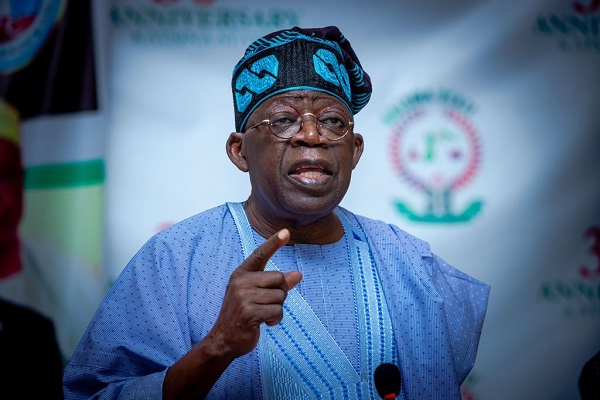
By Sunday evening, President Bola Tinubu was already had a new name for the men and women in uniform: “Defenders of Democracy.”
In a powerful statement released through his spokesman, Bayo Onanuga, the Nigerian leader praised the Armed Forces for their “swift, decisive and gallant intervention” that stopped a gang of mutinous officers dead in their tracks.
“Under a few hours, constitutional order was restored in our sister nation,” President Tinubu declared. “Nigeria stands firmly with the government and people of the Republic of Benin.”
The trouble began at dawn on Saturday when a little-known Colonel Pascal Tigri and a band of soldiers calling themselves the “Military Committee for Refoundation” stormed Benin’s national television station. Masked and armed, they forced their way on air, announcing the immediate suspension of the constitution and the removal of President Patrice Talon.
Panic spread instantly. The mutineers retreated to a military camp in Cotonou, threatening to march on the presidential palace.
With loyalist forces outnumbered and the capital teetering, President Talon’s government did something unprecedented: they turned to their giant neighbour for help.
Two urgent diplomatic notes flew from Cotonou to Abuja within the hour. The first begged for Nigerian Air Force jets to seal the skies. The second requested ground troops to protect key institutions and hunt down the rebels.
President Tinubu, also the current Chairman of ECOWAS, did not hesitate. He gave the order: “Go.”
By midday, Nigerian Alpha jets were screaming over the Gulf of Guinea, diving low over Cotonou to scatter the plotters. Armoured columns crossed the border at Seme, linking up with loyal Beninese units. Within hours the television station was retaken, the rebel camp surrounded, and Colonel Tigri’s men either surrendered or melted into the bush.
By sunset, the coup was dead.
Speaking on national television late Saturday, Benin’s Interior Minister Alassane Seidou announced: “Thanks to the loyalty of our armed forces and the decisive support of brotherly countries, the attempted coup has been foiled.”
President Talon himself returned to the airwaves on Sunday morning, calm but firm, thanking Nigeria by name and promising that the fleeing mutineers would be tracked down.
Back in Abuja, the mood was one of quiet pride mixed with relief. Defence Headquarters confirmed the operation was carried out “in strict compliance with ECOWAS protocols on democracy and good governance.”
Chief of Defence Staff, General Christopher Musa, added: “Our troops executed the mission with precision and professionalism. Not a single Nigerian life was lost.”
Across social media, Nigerians erupted in celebration. “We can’t fix our light but we can save a whole country in one afternoon,” one viral post joked, quickly followed by thousands of salutes and raised flags.
For President Tinubu, the successful intervention is a major diplomatic win at a time when military takeovers have plagued the Sahel. It is also the clearest demonstration yet that Nigeria, despite its own challenges, remains the undisputed security anchor of West Africa.
As one senior presidential aide put it late Sunday night: “When democracy called from next door, Nigeria answered with thunder.”
For now, calm has returned to the streets of Cotonou. Nigerian jets have returned home. But the message echoing from Abuja to Porto-Novo is unmistakable:
Touch constitutional order in this region — and Nigeria will be there. Fast.

