


President Bola Ahmed Tinubu has urged African leaders to prevail on Ethiopia and Eritrea to de-escalate tensions and return to diplomacy, warning that peace and stability are essential to Africa’s economic progress.
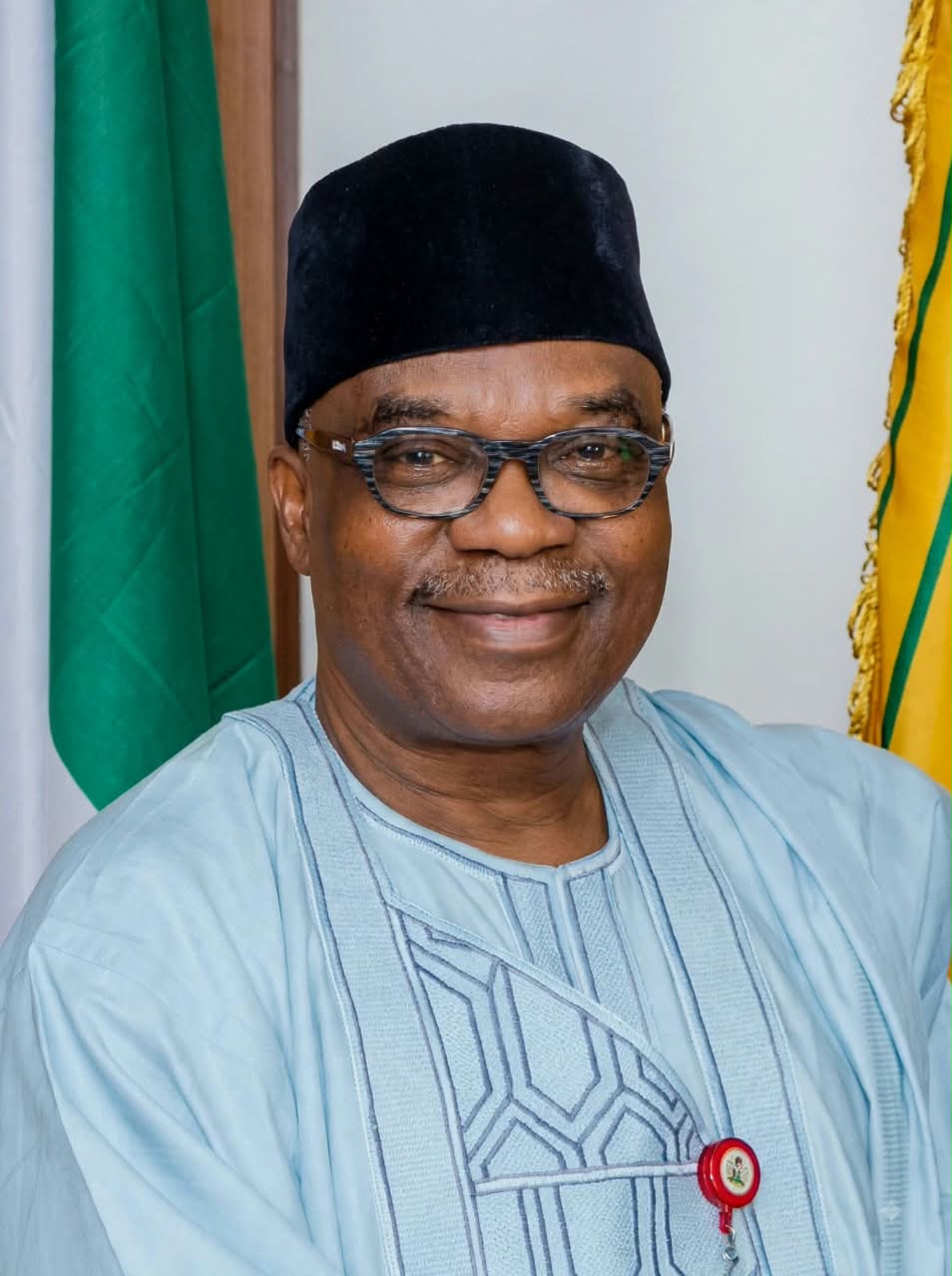
Tinubu made the appeal in his national statement delivered by the Minister of State for Foreign Affairs, Sola Enikanolaiye, at the NEPAD Founding Member States’ Summit in New Alamein, Egypt, on Friday.
The summit marked the 25th anniversary of the New Partnership for Africa’s Development (NEPAD), bringing together the five founding states — Egypt, Algeria, Nigeria, Senegal and South Africa. The African Union confirmed that the summit focused on strengthening AUDA-NEPAD’s role in advancing continental development and mobilising resources for transformative projects.
Tinubu called on African leaders to intervene diplomatically as tensions between Ethiopia and Eritrea escalate, urging the two neighbouring countries to avoid confrontation and resolve their differences peacefully.
He called on “fellow sister-countries currently at the verge of a shooting war to de-escalate tensions and return to diplomacy and the peaceful resolution of their differences.”
The appeal comes amid a sharp deterioration in relations between Ethiopia and Eritrea. Eritrea recently severed diplomatic ties with Ethiopia after Addis Ababa closed its embassy in Asmara and expelled Eritrean diplomats, while renewed fighting in Ethiopia’s Tigray region has heightened fears of a wider regional conflict.
The African Union has also urged Ethiopia, Eritrea and Egypt to exercise restraint and avoid actions or rhetoric that could further destabilise the region.
Tinubu linked the call for peace to Africa’s broader development ambitions, stressing that terrorism, violent extremism, transnational organised crime and political instability continue to threaten communities and undermine economic growth.
He urged African countries to strengthen intelligence-sharing and border management, invest more in addressing underlying socio-economic challenges and accelerate the operationalisation of the Africa Standby Force.
Nigeria’s five-point agenda
Beyond the immediate security concerns, Nigeria proposed five strategic priorities for the NEPAD founding states to strengthen continental cooperation.
The priorities are accelerated economic integration through full implementation of the African Continental Free Trade Area (AfCFTA); closing Africa’s infrastructure gap through cross-border projects and strategic corridors; strengthening development financing and mobilising African capital; investing in education, science, technology and vocational training; and reinforcing peace, security and good governance.
Tinubu said Africa already had major development frameworks, including Agenda 2063, AfCFTA and the Comprehensive Africa Agriculture Development Programme, but the continent must now focus on implementing them for the benefit of its growing population, particularly young people and women.
“Africa does not lack strategies,” the President said in the statement, stressing the need to collectively operationalise existing continental plans.
He argued that NEPAD’s founding principle — that Africa’s development cannot be outsourced — had become even more relevant amid geopolitical tensions, climate change, technological gaps and difficult global financing conditions.
The President also expressed Nigeria’s appreciation to Egyptian President Abdel Fattah El-Sisi for hosting the summit and commended AUDA-NEPAD Chief Executive Officer Nardos Bekele-Thomas for her leadership and work under the second ten-year implementation plan of Agenda 2063.
Push for stronger founding-state cooperation
Nigeria said it was ready to work with the other NEPAD founding states to establish a structured cooperation mechanism covering trade, infrastructure, energy, food security, technology, development finance, human capital and peace and security.
The proposed mechanism, according to the statement, would complement the work of AUDA-NEPAD and the African Union.
The summit itself brought together leaders and representatives of the five founding countries, alongside the President of Burundi in his capacity as African Union chair, the AU Commission chairperson and the AUDA-NEPAD chief executive.
The meeting culminated in the adoption of the Alamein Declaration, which reaffirmed the role of NEPAD in advancing Africa’s integrated and sustainable development and stressed the importance of mobilising African resources for continental priorities.
For Nigeria, the summit provided an opportunity to push for a closer link between peace, economic integration and development, with Tinubu arguing that Africa’s prosperity ultimately depends on a stable and orderly continent.