


The United Nations Children’s Fund (UNICEF) has called for sustained attention, stronger partnerships and coordinated action to address the humanitarian crisis in Benue State, particularly the plight of children and other vulnerable groups affected by the situation.
The organisation said the challenges required a collective response involving government, development partners, the media and other stakeholders to protect the rights, welfare and future of affected children and communities.
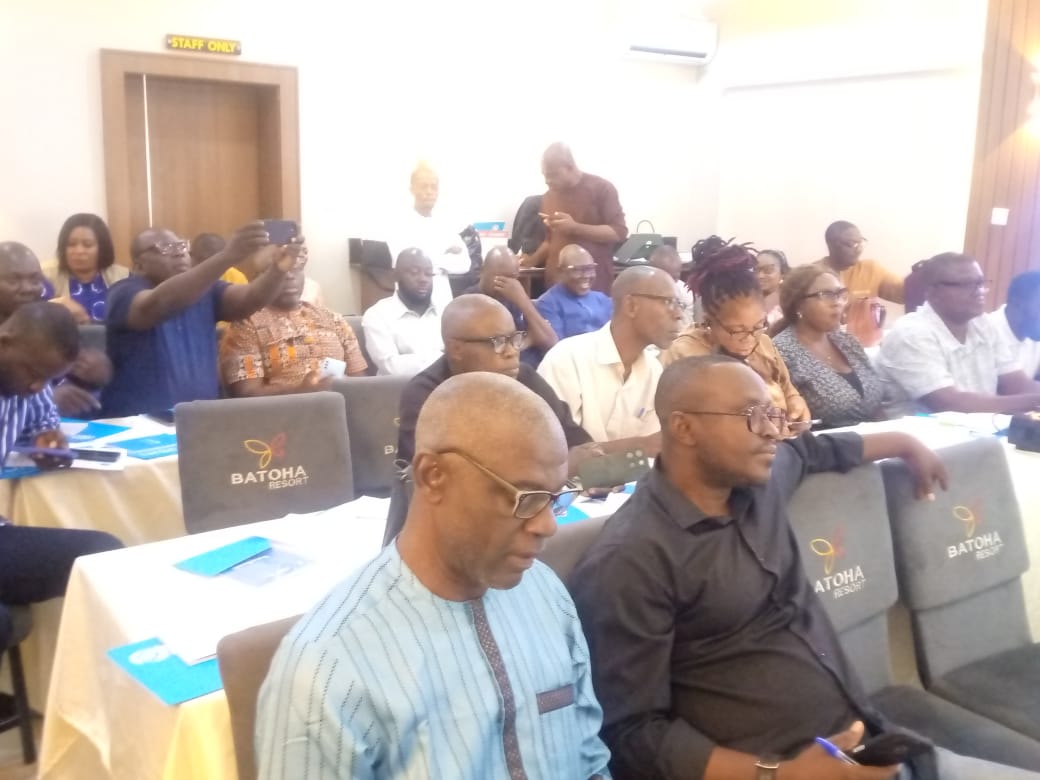
The Chief of UNICEF Enugu Field Office, Mrs Juliet Chiluwe, made the call at the opening of a two-day media dialogue on amplifying humanitarian action and strengthening media engagement and advocacy for integrated humanitarian funding, held in Makurdi on Wednesday.
Chiluwe, who was represented by UNICEF Social Policy Officer, Dr Victor Chima, stressed that children must remain at the centre of humanitarian priorities and response efforts.
She described the media as an indispensable partner in humanitarian action, noting that journalists had responsibilities beyond reporting events to shaping public understanding, amplifying the voices of affected communities, influencing policy discussions and mobilising resources to address humanitarian needs.
Chima said the dialogue was designed to deepen journalists’ understanding of interventions supported by the Government of Sweden through the Swedish International Development Cooperation Agency (Sida), while highlighting the results and impact of UNICEF’s integrated, multisectoral humanitarian response.
He appreciated the Swedish Government for its continued support for UNICEF’s humanitarian interventions, describing the engagement as an important part of efforts to strengthen strategic communication and visibility around the partnership.
He urged journalists to embrace informed, ethical and sustained reporting of the humanitarian situation in Benue, stressing the need to ensure that the experiences and concerns of affected communities received adequate attention.
According to him, the media should move beyond documenting humanitarian challenges to identifying solutions, strengthening accountability and inspiring collective action.
He also called for stronger collaboration among government, development partners and other stakeholders to ensure that the rights, needs and voices of children remained central to humanitarian interventions.
Declaring the dialogue open, the State Commissioner for Information and Orientation, Chief Solomon Iorpev, represented by the Director of Information and Head of the Department of Enlightenment and Orientation, Mrs Comfort Ejima Ajunwa, commended UNICEF for its sustained commitment to promoting children’s rights, welfare and protection.
Ajunwa described the media as a critical development partner, citing its role in shaping public opinion, raising awareness, promoting positive values and holding stakeholders accountable.
She called for stronger collaboration among government, UNICEF and media practitioners to amplify issues affecting children, protect their rights and ensure their voices were heard.
Earlier, UNICEF Communication Officer, Enugu Field Office, Dr Ijeoma Onuoha-Ogwe, said the dialogue was aimed at improving journalists’ understanding of the humanitarian situation in Benue and the needs of crisis-affected children and vulnerable communities.
She said the engagement would also promote ethical, evidence-based and people-centred reporting across health, nutrition, water, sanitation and hygiene, education, child protection and social policy.
Other objectives, she explained, included strengthening partnerships with media organisations, deepening advocacy for children’s rights and encouraging greater stakeholder commitment, transparency and accountability in addressing humanitarian challenges.
Onuoha-Ogwe said the expected outcomes included building a better-informed media community capable of consistently highlighting the impact of Sida-supported interventions and UNICEF’s integrated humanitarian response in the state.
She added that the engagement would strengthen public awareness, government accountability and stakeholder commitment towards improving the welfare and protection of children and other vulnerable communities affected by the crisis.


