


Opposition: Nigerians Need Lasting Relief, Not One-Month Discount
Opposition political camps have criticised the Federal Government’s announcement of a 30-day petrol discount at Nigerian National Petroleum Company Limited (NNPC) stations, with the camps of African Democratic Congress (ADC) presidential candidate, Atiku Abubakar, and Allied Peoples Movement (APM) presidential candidate, Seyi Makinde, questioning the scope and sustainability of the intervention.
The Federal Government announced the temporary discount on Thursday as part of measures to cushion the impact of rising petrol prices, with Minister of Finance and Coordinating Minister of the Economy, Taiwo Oyedele, saying public transport operators would receive priority. He also stressed that the arrangement was not a return to fuel subsidy but an arrangement to sell petrol at cost.
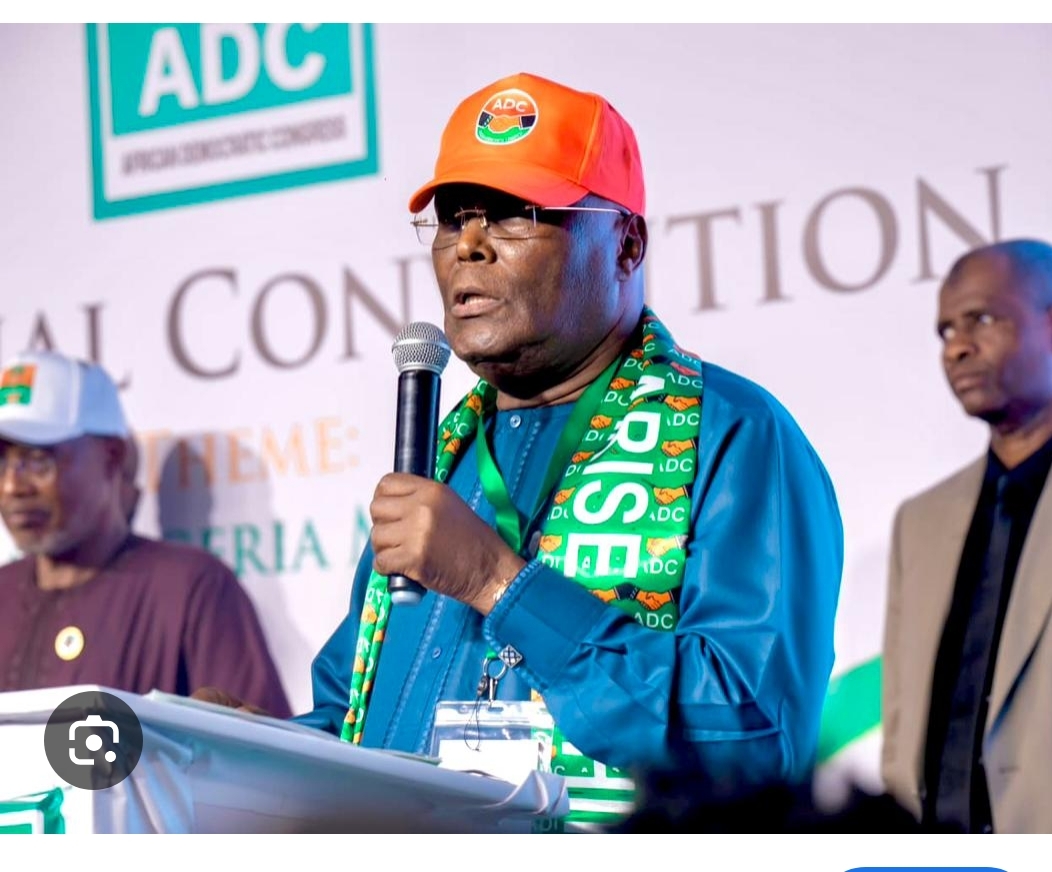
Reacting, Atiku described the intervention as a temporary measure that would not address the wider cost-of-living pressures facing Nigerians.
In a statement issued by Phrank Shaibu, Director of Strategic Communication of the ADC Presidential Campaign Council, Atiku described the 30-day discount as a “panic-driven publicity stunt” and questioned what would happen when the programme expires.
He argued that Nigerians could return to facing high petrol prices, transport fares and food costs after the 30-day window.
Atiku also questioned the decision to restrict the intervention to NNPC stations, saying the government had yet to explain how much motorists would save per litre or how any savings would translate into lower transport fares for commuters.
The former vice-president further linked the intervention to his earlier proposal for capped and budgeted production support tied to petrol refined locally, saying such an arrangement could provide more sustainable relief while supporting domestic refining.
He maintained that Nigerians needed longer-term measures rather than a temporary intervention.
The ADC Presidential Campaign Council also criticised the policy, with its Director of Media and Publicity, Kola Ologbondiyan, describing it as a “one-month fuel bribe”.
Ologbondiyan questioned why Nigerians had endured high petrol prices for years if the government could introduce temporary relief, arguing that the move raised questions about the sustainability of the administration’s approach to fuel pricing.
Makinde camp joins criticism
The Seyi Makinde/Musa Daura Presidential Campaign Organisation (MDPCO) also rejected the government’s intervention, describing the 30-day discount as inadequate.
In a statement by its Director of Strategic Communications, Richard Ihediwa, the organisation questioned the duration and scope of the programme and argued that Nigerians required a more substantial and sustainable reduction in petrol prices.
The campaign organisation also criticised the proposed arrangement for making crude available to domestic refineries at dollar-denominated rates, arguing that the approach could limit the impact of any reduction in production costs.
The Makinde camp described the intervention as a “deceitful and failed media stunt,” according to Channels Television.
It called for measures capable of delivering sustained relief from high fuel and transportation costs rather than a short-term discount.
FG: It is not subsidy
The Federal Government has maintained that the 30-day intervention does not amount to a return to petrol subsidy.
Oyedele said the government would initially sell petrol through NNPC at cost, with public transport operators receiving priority nationwide.
The minister also announced a proposed mechanism to moderate petrol-price fluctuations, including a possible ₦1,350-per-litre ceiling on ex-gantry or landing costs.
The competing positions have placed the temporary petrol discount at the centre of a fresh political debate ahead of the 2027 general elections, with opposition groups demanding longer-term solutions while the Federal Government presents the measure as part of its response to current fuel-price pressures.