


Minister calls for regular handwashing, early testing, warns against health misinformation
The Federal Government has urged Nigerians to intensify hygiene practices, embrace preventive healthcare and cooperate with public health officials as authorities respond to an imported case of Ebola virus disease confirmed in Abuja.
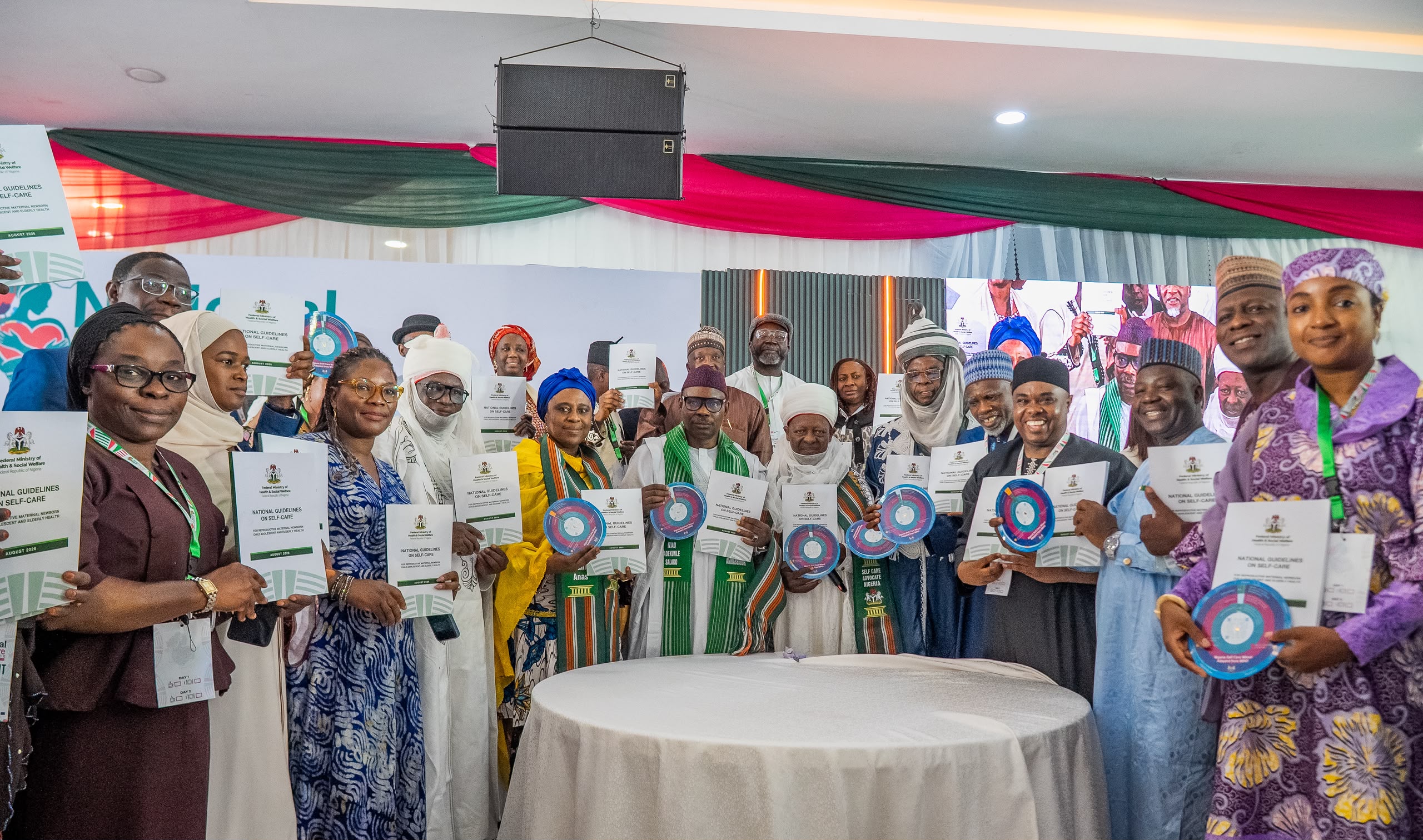
The Minister of State for Health and Social Welfare, Dr Iziaq Adekunle Salako, gave the advice on Wednesday at the inaugural Nigeria National Self-Care Conference in Abuja, stressing that individual responsibility, early detection and timely medical intervention were critical to protecting lives and preventing the spread of infectious diseases.
Salako specifically urged Nigerians to observe basic preventive measures, including regular handwashing and appropriate disinfection, while cooperating with health authorities handling the reported Ebola case.
Nigeria confirmed the case on October 20, 2026, prompting renewed calls for vigilance and strict adherence to public health guidance.
Speaking at the conference held at the Nigerian Army Conference Centre and Suites, Abuja, the minister said evidence-based self-care could strengthen disease prevention, improve health outcomes, reduce avoidable pressure on healthcare facilities and advance Universal Health Coverage.
The conference, organised by the National Self-Care Coordination Committee, was held under the theme, “Self-Care Puts Your Health in Your Hands: Test. Track. Thrive.”
Salako described self-care as an essential component of modern healthcare, explaining that it equips individuals with the knowledge, skills and tools to make informed decisions about their health.
According to him, self-care extends healthcare beyond hospitals and clinics to homes, workplaces and communities, covering healthy living, disease prevention, appropriate self-testing and responsible management of personal well-being.
However, he warned that self-care must not be mistaken for a replacement for professional medical attention or used as an excuse for government to shirk its responsibility to provide accessible, affordable and quality healthcare.
“Self-care does not replace professional healthcare nor absolve the health sector and government of its responsibility to provide accessible, affordable, and quality health services,” he said.
The minister assured Nigerians that the government would continue investing in health facilities, skilled personnel, essential medicines and functional referral systems to ensure that people could obtain professional care whenever necessary.
He said self-care interventions could also strengthen primary healthcare, improve maternal and reproductive health, support the management of non-communicable diseases and promote mental well-being, particularly among underserved populations.
Explaining the conference’s central message, Salako identified testing, tracking and thriving as three practical steps Nigerians could adopt to take greater responsibility for their health.
He said testing enables individuals to know their health status and identify potential health risks early, particularly conditions such as hypertension and diabetes that may progress without obvious symptoms.
He called for wider access to reliable screening services and approved self-testing options to facilitate timely treatment and prevent complications, disability and premature deaths.
Salako also stressed the need to protect the confidentiality of people undergoing medical tests and eliminate the stigma associated with knowing one’s health status.
On tracking, he urged Nigerians to monitor relevant health indicators, including blood pressure, blood glucose levels, physical activity and adherence to prescribed medication.
He, however, emphasised that self-monitoring must be guided by reliable health information and linked to professional medical care whenever necessary.
According to the minister, the ultimate goal is to help individuals and families adopt healthier lifestyles, protect their mental well-being and prevent avoidable illnesses, thereby building healthier communities and a more productive nation.
Salako also highlighted the potential of digital technology to expand access to self-care information and services.
He urged stakeholders to use mobile communication and digital health applications to bring reliable health information closer to Nigerians, noting that the country’s extensive mobile connectivity offered opportunities to reach more people.
He cautioned, however, that the growing use of digital platforms made it necessary to protect the public against misinformation and unsafe health practices.
The minister called on federal and state governments to integrate evidence-based self-care into health policies and programmes, train healthcare workers and strengthen community health education.
He also urged development partners to support sustainable financing and technical capacity development, while asking researchers and academic institutions to generate local evidence to guide policies.
Private-sector operators, he said, must prioritise the quality and affordability of self-care products and adhere to ethical standards.
Salako further called on traditional and religious leaders, civil society organisations and the media to promote accurate health information and build public trust in preventive healthcare.
He emphasised that self-care programmes must be inclusive, ensuring that no Nigerian is excluded because of income, disability, gender or geographical location.
The minister disclosed that the Federal Ministry of Health and Social Welfare was committed to advancing self-care through supportive policies, public education, regulation of self-care products and the integration of appropriate tools into the health system, particularly at the primary healthcare level.
He said successful implementation would require clear priorities, measurable targets and accountability mechanisms to ensure that the conference translated into practical improvements in people’s lives.
Salako urged participating states and partners to turn the conference’s deliberations into concrete commitments, stressing that empowering individuals to manage their health must go hand in hand with access to professional medical services.
He expressed optimism that the inaugural conference would strengthen partnerships and establish a framework for making self-care safe, affordable, accessible and inclusive across the country.
He urged Nigerians to embrace preventive health practices, make informed decisions and seek professional medical attention when necessary, noting that a healthier population would contribute to stronger families, resilient communities and national development.