


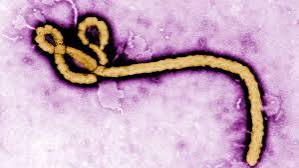
The Nigeria Centre for Disease Control and Prevention (NCDC) has identified the Bundibugyo strain of Ebola virus in Nigeria’s confirmed case in Abuja, amid reports that the patient’s condition has deteriorated to multiple-organ failure.
The development has heightened concerns over the country’s response to the infection, as health authorities intensify investigations to establish where the patient contracted the virus and identify people who may have been exposed.
The NCDC’s Director of Public Health Laboratory Services, Olajumoke Babatunde, disclosed the strain during an emergency incident management meeting in Abuja on Wednesday.
Babatunde said laboratory investigations, involving three levels of molecular testing, confirmed the Bundibugyo strain.
“We did three levels of tests, but all were molecular. The strain was Bundibugyo,” she said.
Another official at the meeting reportedly described the patient as a diplomat and disclosed that her condition had worsened to multiple-organ failure.
The Federal Government confirmed the Ebola infection on October 20 after a woman who arrived in Nigeria from Uganda tested positive for the virus.
The patient was reportedly admitted to a private hospital in the Federal Capital Territory, where she received treatment for several days before the infection was confirmed. She was subsequently isolated and placed under medical care.
However, the circumstances surrounding the infection remain under investigation, particularly the patient’s travel history and possible exposure before she developed symptoms.
Uganda’s Director-General of Health Services, Charles Olaro, said the woman was a Nigerian who had travelled to the eastern Democratic Republic of the Congo on business before transiting through Uganda in early October.
According to Olaro, the woman did not exhibit symptoms while in Uganda but developed them after arriving in Nigeria.
The Ugandan authorities cautioned against assuming that the infection originated in their country simply because the patient travelled through its territory.
“Travel through Uganda does not establish that infection occurred here. The location of exposure remains under investigation,” the authorities said.
Uganda also stated that it had no confirmed active Ebola cases as of the time of its announcement, adding that more details about the patient’s travel itinerary and clinical history were needed to guide investigations and contact tracing.
The Bundibugyo strain was first identified in Uganda in 2007. It causes Bundibugyo virus disease, a form of Ebola disease that can lead to severe illness.
The identification of the strain is expected to guide Nigeria’s public health response, including laboratory surveillance, clinical management and investigations into the source of infection.
Following confirmation of the case, the Federal Government urged public and private health facilities across the country to remain vigilant and promptly report suspected infections.
Healthcare workers have also been advised to maintain a high index of suspicion, isolate suspected cases without delay and strictly observe infection prevention and control protocols.
The authorities said investigations were ongoing and promised to provide further updates as more information became available.
The immediate priorities include determining where the patient contracted the virus, tracing and monitoring people who may have been exposed, and preventing further transmission.
Health officials have continued to emphasise the importance of early reporting, prompt isolation and strict infection control in containing the disease.