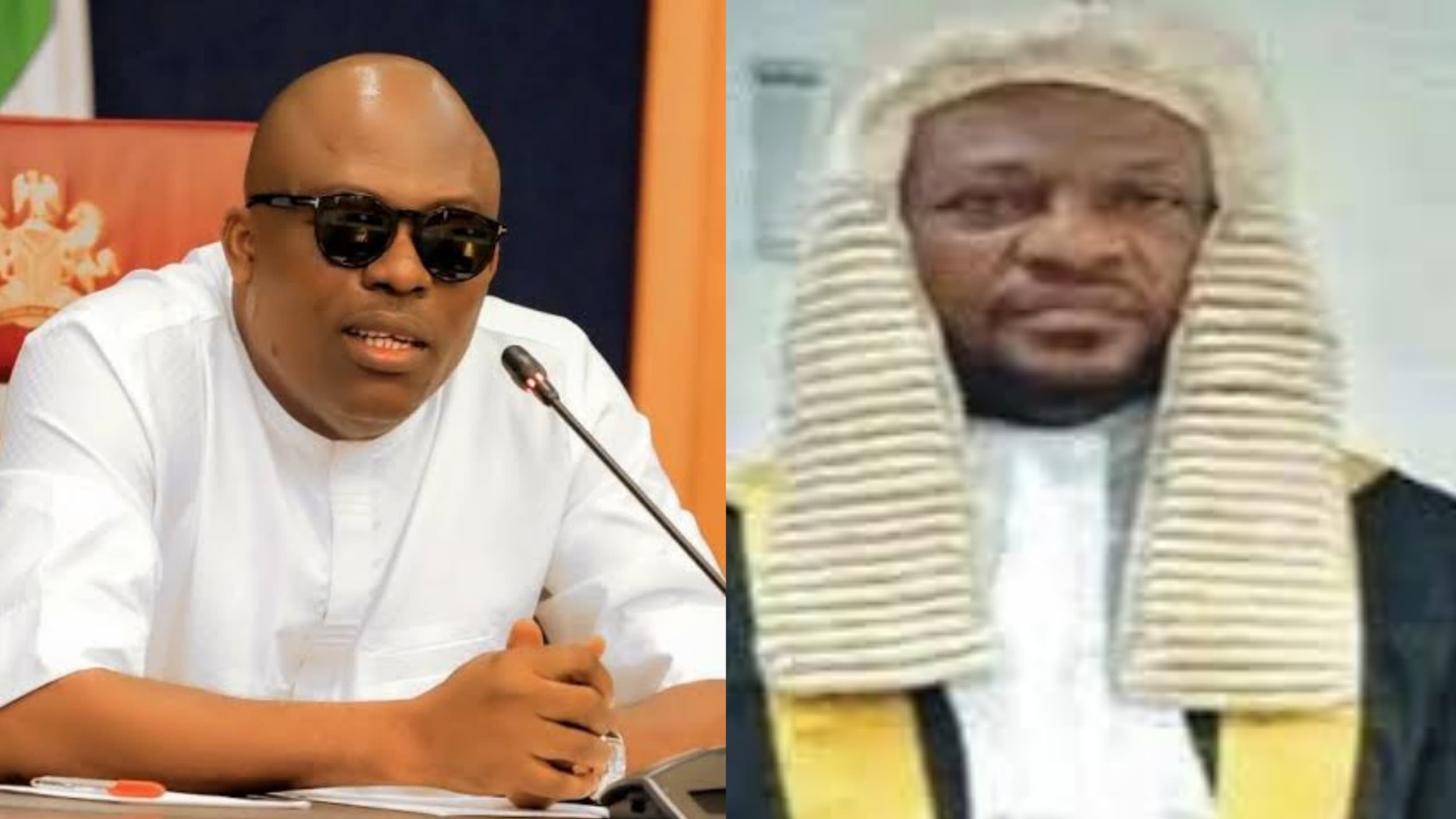
Political tension heightened in Rivers State on Thursday as the State House of Assembly formally initiated impeachment proceedings against Governor Siminalayi Fubara and his deputy, Dr. Ngozi Odu.
The impeachment move was announced during a plenary session presided over by the Speaker, Mr. Martins Amaewhule, where the Majority Leader, Major Jack, read a notice of allegations accusing the governor of gross misconduct.
The notice, which was reportedly endorsed by 26 lawmakers, alleged that Governor Fubara committed acts said to be in violation of provisions of the 1999 Constitution (as amended).
Following the reading, Speaker Amaewhule disclosed that the impeachment notice would be served on the governor within seven days, in accordance with constitutional procedures.
In a related development, the Deputy Majority Leader, Linda Stewart, also read a separate notice of allegations of gross misconduct against the Deputy Governor, Dr. Ngozi Odu, during the same sitting.
The twin actions against the state’s top elected officials signal a fresh escalation in Rivers State’s lingering political crisis, raising concerns over governance and stability in the oil-rich state.
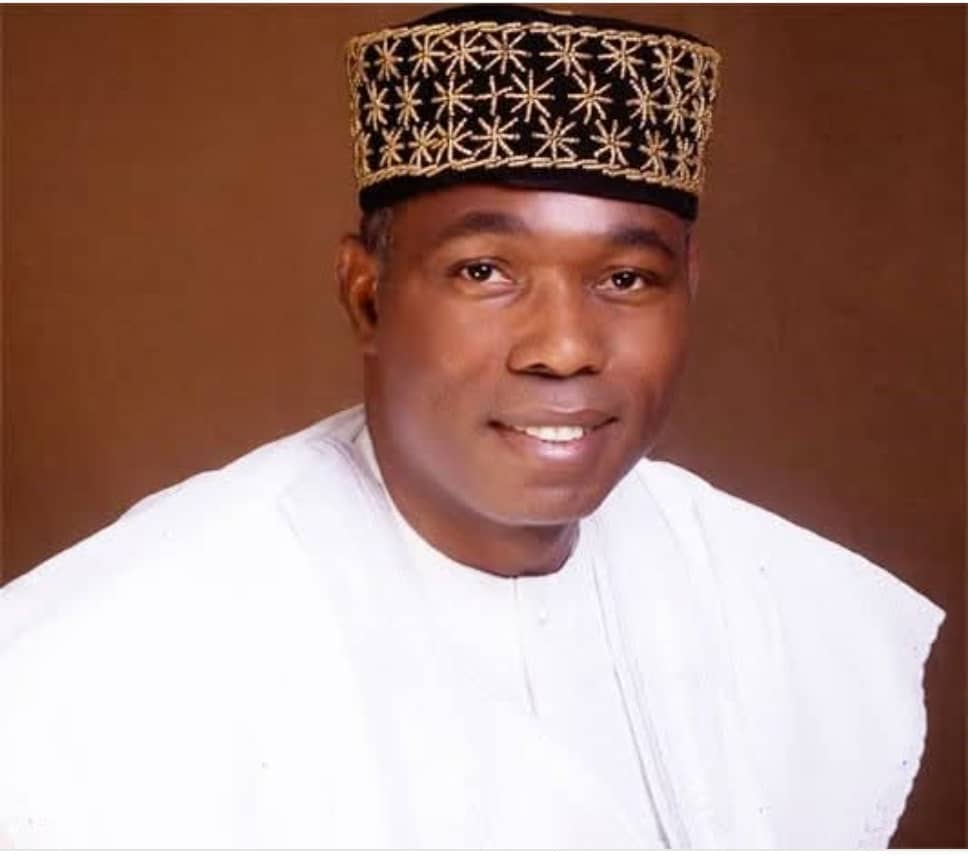
The Chairman of the Social Democratic Party (SDP) State Chairmen Forum, Mr. Femi Ferrari Olaniyi, has congratulated the party’s former presidential candidate, Prince Adewole Adebayo, on his 54th birthday, describing him as a visionary leader and a committed patriot.
In a goodwill message issued in Abuja on behalf of the forum, Olaniyi said the anniversary was not merely a celebration of age, but a tribute to Adebayo’s lifetime of service to Nigeria, marked by dedication to national development, justice and unity.
He noted that the former presidential candidate’s leadership qualities and steadfast commitment to democratic ideals have continued to inspire members of the SDP and Nigerians across political divides.
According to Olaniyi, Prince Adebayo’s passion for good governance and selfless service has strengthened the party’s resolve to pursue people-oriented policies and democratic values.
The SDP State Chairmen Forum prayed for continued divine guidance, strength and good health for Adebayo, as he remains engaged in national service.
They wished him many more years of purposeful living and impactful contributions to the country.
The Social Democratic Party (SDP) has rolled out the drums to celebrate its 2023 presidential candidate, Prince Adewole Ebenezer Adebayo, hailing him as an iconic patriot, true democrat and one of Nigeria’s most outstanding national assets.
In a statement issued on Thursday to mark Adebayo’s birthday, the Acting National Chairman of the party, Dr. Sadiq Umar Abubakar Gombe, speaking on behalf of the National Working Committee (NWC) and party members nationwide, said Nigeria was fortunate to have a leader of Adebayo’s depth, intellect and character at this critical period.
The party described Adebayo as a man of uncommon vision whose ideas, values and lifelong commitment to justice, equity and people-centred governance continue to inspire hope across the country.
According to the SDP, Adebayo’s relentless efforts toward building a fair and prosperous Nigeria, where opportunities are not limited by class, status or creed, have earned him respect beyond partisan boundaries.
The party praised his philanthropic gestures, youth empowerment initiatives and mentorship of young professionals, noting that his impact on lives and communities across the country speaks louder than words.
“As he marks another year, we urge him to remain focused and undeterred in his mission to rebuild Nigeria and restore dignity to governance,” the statement said.
The SDP also prayed for long life, good health and greater fulfilment for its standard bearer, expressing confidence that the time for the full expression of his leadership qualities on the national stage would come sooner rather than later, for the good of Nigeria.
The statement was signed by the National Publicity Secretary of the party, Araba Rufus Aiyenigba, and dated January 8, 2026.
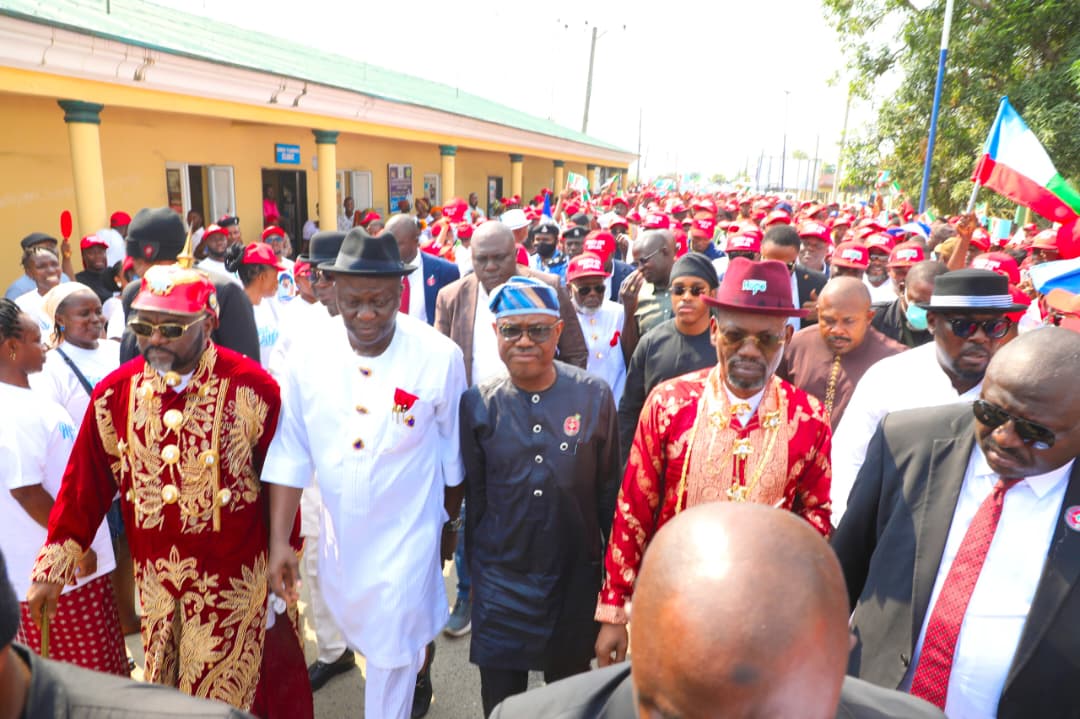
Minister of the Federal Capital Territory (FCT), Nyesom Wike, has assured that candidates endorsed by his Rainbow Coalition will clinch all elective positions in Rivers State in the 2027 general elections.
Wike made the declaration on Wednesday during his “thank-you” visit to Asari Toru Local Government Area, describing the Rainbow Coalition as a unifying political platform under the Renewed Hope Family, which brings together members of different parties in support of President Bola Tinubu’s re-election.
“After Tinubu, the Rainbow Coalition will produce every elective position in Rivers State in 2027. So, if you are not part of this Rainbow Family, forget it,” Wike said.
The minister urged the people to remain steadfast in their support, noting that the gains Rivers residents are currently enjoying stem from their decision to back Tinubu in 2023. He also commended community leaders for their loyalty, emphasising that the risks they took in 2023 are now yielding tangible benefits.
“Continue on this path and you will continue to reap good results. I assure you that I will stand with you at the appropriate time,” Wike added.
The Chairman of Asari Toru Local Government, Mr. Onengiyeofori George, expressed appreciation for Wike’s contributions to the LGA, stressing that the people are united under the Renewed Hope Family.
Similarly, Chief Michael West, representing Asari Toru Constituency II in the State Assembly, commended Wike for rallying support for Tinubu and for facilitating the emergence of an Ijaw governor in the state—the first since Nigeria returned to democratic rule.
West pledged the continued support of the people, declaring their readiness to follow Wike in future political endeavours.
The visit underscores Wike’s ongoing mobilisation efforts in Rivers State as political stakeholders position for the 2027 elections.
Chairman of the South-South Development Commission, Chibudom Nwuche, has called on politicians across the country who claim to support President Bola Ahmed Tinubu to demonstrate their loyalty by delivering their respective states for his re-election in 2027.
Nwuche made the appeal on Wednesday during a “thank you” visit by the Minister of the Federal Capital Territory (FCT), Barr. Nyesom Wike, to Ahoada East Local Government Area of Rivers State.
The former Deputy Speaker of the House of Representatives emphasised that politics is essentially local, cautioning outsiders to steer clear of Rivers State’s internal political matters.
“Politics is local. Those who want to prove their love for the President should go back to their states and show their political strength. Rivers State has its peculiar political dynamics that outsiders may not fully understand,” he said.
Describing Rivers as a political family, Nwuche stressed that loyalty, unity, and collective action are crucial for sustaining leadership, warning that division undermines gratitude and cohesion.
“When a leader takes a decision, the least the team can do is to stand together. Gratitude is not shown by breaking ranks,” he added.
Nwuche commended Wike for his foresight in mobilising Rivers people to support Tinubu’s presidential bid and Siminalayi Fubara’s governorship candidacy during the 2023 elections. He, however, expressed disappointment over Fubara’s performance, noting that many stakeholders supported the governorship choice largely out of trust in Wike’s leadership.
He also lauded Wike’s developmental record, revealing that over 22 projects were executed in Ahoada East alone under his administration—a feat he described as unmatched by any governor since 1999.
“No governor in Rivers State has made the kind of impact witnessed during your tenure. Wherever you go, we will go with you,” Nwuche said.
Speaking to the residents, Wike said the visit was aimed at appreciating their support during the 2023 elections and mobilising them ahead of the 2027 polls. He assured the people that leadership challenges confronting the state would be addressed, urging them to remain steadfast in backing President Tinubu.
Minister of the Federal Capital Territory (FCT), Barrister Nyesom Wike, has declared that he has no regrets backing President Bola Ahmed Tinubu and will continue to support him, describing Rivers State Governor, Siminalayi Fubara, as a “bad and ungrateful child.”
Wike spoke on Wednesday during his ongoing “thank you” tour of Asa Local Government Area, as part of his visits across the 23 local government areas of Rivers State.
The former Rivers State governor said the visit was to appreciate the people for their steadfast support during the difficult period of the 2023 presidential election, noting that loyalty and gratitude remain the bedrock of enduring political relationships.
“Today, we are here to say thank you because you have always stood with us. No matter how tough it looked, you always came through with success. Now that all forces have come together and are united, we can sleep with our eyes closed, knowing that all is well,” Wike said.
He explained that it would have been wrong to return to the area without expressing appreciation, stressing that his political family does not take loyalty for granted.
“We are not ungrateful people. When people do good for us, we always come back to say thank you. Once you support us, we will never forget you,” he added.
Recalling the uncertainty that trailed the 2023 presidential election, Wike said the decision to support Tinubu was a bold political risk that has since yielded positive results.
“In life, you must take risks. In 2023, we did not know what would happen, but we took a decision. By God’s grace, that decision has paid off,” he said.
The FCT minister commended political leaders, elected officials and grassroots supporters in Asari-Toru LGA for their loyalty over the years, noting that gratitude remains central to political success and stability.
He maintained that leadership mistakes could only be resolved through accountability and corrective action, not propaganda or political confrontation.
“When a man makes a mistake and comes back to say, ‘I am sorry,’ the mistake can be corrected. No shouting, no propaganda can solve problems. Only accountability and correction can,” Wike stated.
Downplaying party affiliations, Wike said his political movement transcends party lines, describing it as a broad-based coalition.
“Here, we are not talking about party politics. What we have is a family a rainbow coalition. If you are not part of this family, forget it,” he said.
Wike thanked the people of Asari-Toru Local Government Area for their overwhelming support and assured them of his continued commitment to their welfare and the overall development of Rivers State, while praying for God’s blessings on the community.
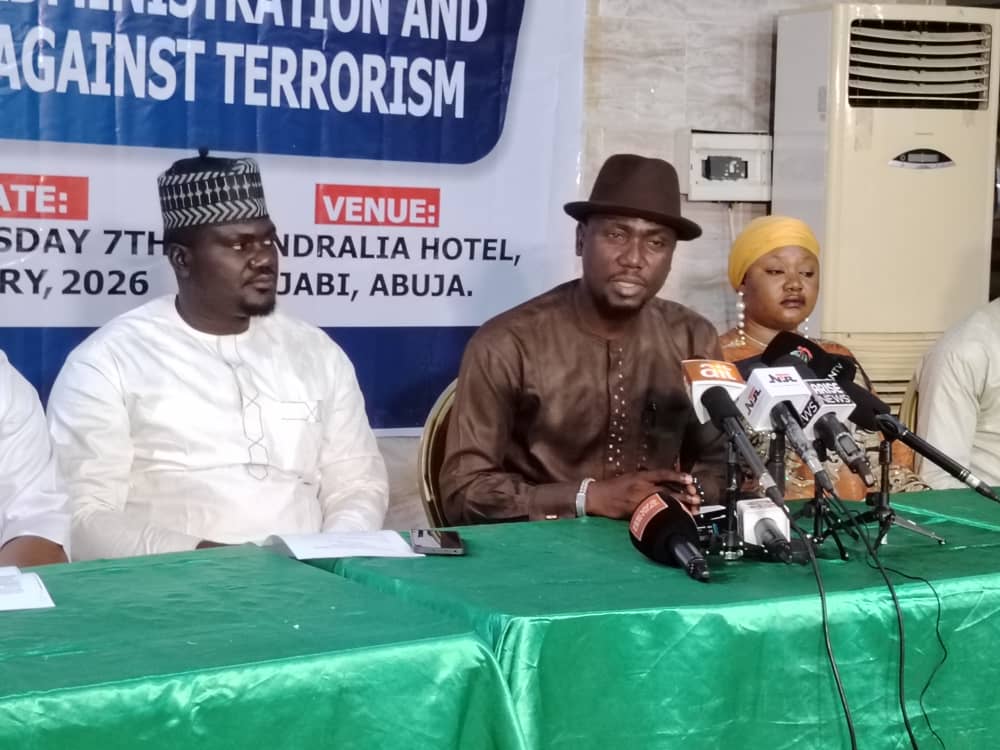
A coalition of civil society organisations has urged President Bola Ahmed Tinubu to redeploy the Minister of State for Defence, Bello Matawalle, saying the move would strengthen public confidence and deepen trust in the ongoing war against terrorism.
The group, operating under the banner of the Coalition of Nigerian Civil Societies Against Terrorism, made the call on Wednesday in Abuja during a press conference, stressing that its position was not driven by personal or partisan considerations.
According to the coalition, redeploying Matawalle from the Defence Ministry would not amount to condemnation but would serve as a preventive and confidence-building measure in the national interest.
Convener of the coalition, Barrister Marvin Ibem, said the continued stay of the Minister of State for Defence in the ministry had become a source of public anxiety, at a time when national unity and trust were critical to defeating terrorism.
“Terrorism is not a partisan issue; it is a national threat. Mr President deserves the support of all well-meaning Nigerians in addressing it,” Ibem said.
He explained that the coalition’s position was informed by recommendations contained in a recent Assessment Report on the Ongoing War Against Terrorism in Nigeria, presented by the United World Congress of Diplomats in collaboration with the International Institute of Experts on Political Economy and Administration.
Ibem said the coalition was calling on President Tinubu to act in the overriding interest of national security by insulating the Defence Ministry from all forms of suspicion, whether real or perceived, and ensuring that sensitive security responsibilities were handled by officials whose credibility inspired public confidence.
“Such a decision will reassure Nigerians, strengthen public confidence and protect the gains already recorded in the war against terrorism,” he said, adding that the fight against insurgency could not afford complacency, internal doubts or divided trust.
He noted that Nigerians across the country were increasingly worried, not about the commitment of the Armed Forces, but about the possibility that internal weaknesses could undermine operational success.
“In counter-terrorism operations, confidence, secrecy and absolute loyalty to strategy are non-negotiable. Where there is widespread suspicion, rightly or wrongly, there is fear that strategic plans may be exposed,” Ibem warned.
The coalition, however, commended President Tinubu for demonstrating political will and seriousness in confronting terrorism and banditry, citing ongoing security sector reforms, strengthened military leadership and international cooperation.
Reaffirming its support for the President, the group said its call for redeployment was purely in the interest of national security.
“We have nothing personal against the Minister of State for Defence. This is not partisan politics. The security of Nigeria must never be sacrificed on the altar of political convenience,” the coalition said.
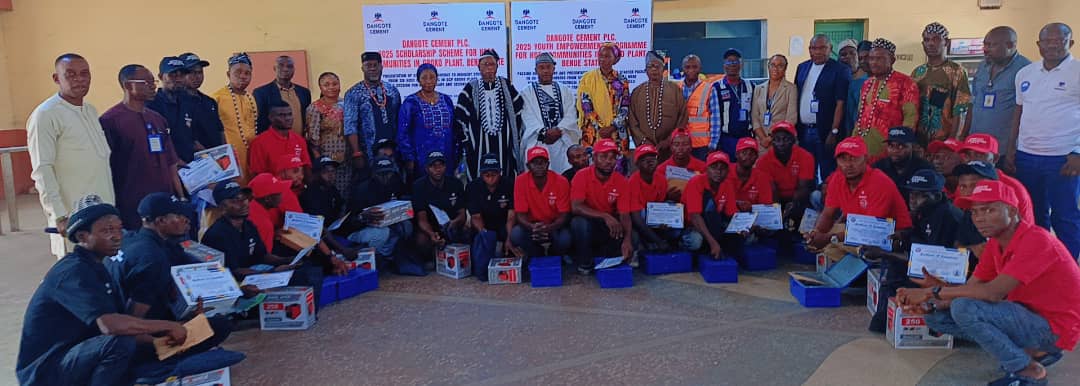
The Federal Government has commended Dangote Cement Plc for making measurable and sustainable impacts in its Gboko host communities in Benue State through the execution of critical community-based projects.
The Minister of Solid Minerals Development, Dr. Dele Alake, gave the commendation at the commissioning of Dangote Cement’s multi-million-naira water projects, scholarship awards and youth skill acquisition programme in the area.
Represented by the Assistant Director of Mines and Environmental Compliance in Benue State, Mrs. Adijatu Usman, the minister said the company had fulfilled its obligations under the Community Development Agreement (CDA), a Federal Government policy that mandates mining companies to reinvest part of their profits in host communities.
Alake noted that Dangote Cement had delivered several people-oriented projects across its host communities, stressing that the initiatives were designed and implemented based on the needs identified by the communities themselves.
“These projects are a fallout of Federal Government policy requiring mining companies to give back to their host communities. We engaged extensively with the six host communities, and these projects are certified community-based projects agreed upon by the people,” he said.
He urged the communities to take ownership of the projects, protect them and ensure their sustainability, noting that such collective responsibility would enhance economic development and promote sustainable mining operations.
The minister also commended the Industrial Training Fund (ITF) for partnering with Dangote Cement in supervising the youth skill acquisition programme, describing the collaboration as key to empowering local youths.
Speaking at the commissioning and handover ceremony, Head of Social Performance at Dangote Cement Plant, Gboko, Dr. Johnson Kor, said the projects were targeted at communities facing acute challenges in access to potable water.
According to him, the projects—comprising motorised and solar-powered boreholes—were part of the first-year deliverables under the five-year CDA signed between Dangote Cement, the Federal Ministry of Solid Minerals Development and the host communities.
“These are communities that struggle with water supply and often rely on streams and rivers despite their proximity to River Benue. We felt it was necessary to intervene, and the joy we see today confirms that this intervention is impactful,” Kor said.
He added that other projects, including electricity infrastructure, were ongoing and would be completed in due course.
The boreholes were commissioned in Pass Brother, Mbaakpoghol-Mbatyu, Mbaswa-Mbatser and Agboghol-Amua communities.
District Head of Mbaakpoghol-Mbatyu, Chief Kunav Anum, expressed gratitude to Dangote Cement, describing the project as a pleasant surprise to the community.
“We are very happy and grateful. Dangote Cement has supported us before with electricity, and we assure the company of our continued support,” the monarch said.
In a statement, Dangote Cement disclosed that its scholarship fund for host communities had been reviewed upward to ₦28.8 million and expanded to cover all six host communities in line with the CDA.
The company added that it had also executed and continued to implement other empowerment initiatives, including Women, Farmers and Youth Empowerment Programmes, all aimed at improving livelihoods and fostering inclusive development in its host communities.
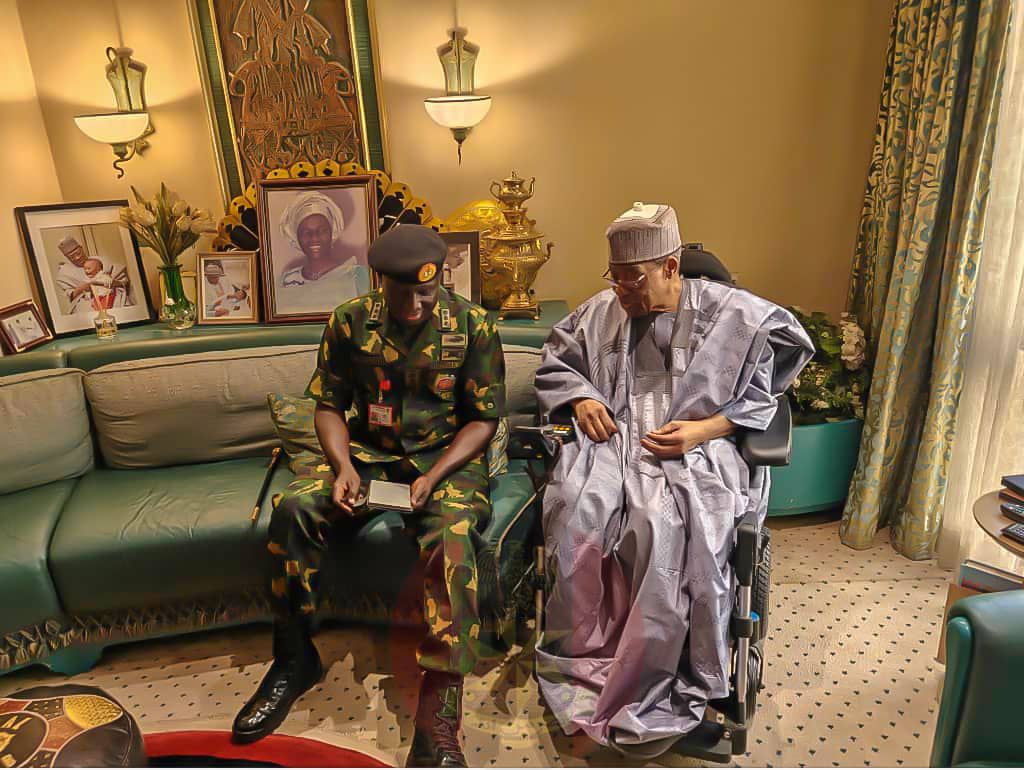
The Chief of Army Staff (COAS), Lieutenant General Waidi Shaibu, on Tuesday paid courtesy visits to former Heads of State, Generals Ibrahim Babangida and Abdulsalami Abubakar, as well as the Niger State Government, reaffirming the Nigerian Army’s commitment to enhanced security and stronger collaboration nationwide.
During the visits, Gen. Shaibu assured national leaders and the Niger State Government of the Army’s resolve to improve operational effectiveness, deepen cooperation with state authorities and tackle emerging security threats.
In a statement, the Acting Director of Army Public Relations, Colonel Appolonia Anele, said the COAS briefed the former leaders on ongoing reforms within the Nigerian Army, including efforts to strengthen training, doctrine and operational readiness across all formations.
According to the statement, the Army Chief explained that training exercises are currently ongoing in various institutions to ensure troops receive practical, mission-driven instruction, while also assessing combat units to identify operational gaps that may require additional personnel or new formations.
Speaking on Niger State, Gen. Shaibu described the state as strategically important due to its vast landmass, noting that the Army was deploying resources and technology to address security challenges.
“We are consolidating all available resources and leveraging technology to address security challenges effectively. Niger State holds a special place in our history and is regarded, in many ways, as home,” he said.
He also disclosed that he had visited the 31st, 11th and 18th Brigades in Bida to assess operational needs and deploy support to curb recent insecurity in the state.
Responding, Generals Babangida and Abdulsalami commended the COAS for his professionalism, dedication and vision, congratulating him on his appointment and offering prayers for wisdom and success as he leads the Army through current security challenges.
At the Niger State Government House, Deputy Governor Dr. Yakubu Garba, who represented Governor Mohammed Umaru Bago, praised the Nigerian Army for its proactive role in supporting the state’s security architecture.
Garba acknowledged existing security challenges but expressed confidence that sustained collaboration with the Army would restore peace and stability across the state.
“With the partnership of the Nigerian Army, we are confident that we will overcome current challenges and protect lives and communities,” he said.
The visits underscore the Nigerian Army’s renewed push for operational excellence, inter-governmental collaboration and the safeguarding of national security.
In a decisive move to reposition ahead of the 2027 presidential election, the African Democratic Congress (ADC) has launched a nationwide membership registration and revalidation exercise, signalling a renewed focus on grassroots mobilisation and internal restructuring.
The initiative was formally flagged off on Wednesday in Abuja with the inauguration of a 20-member Membership, Revalidation, Mobilisation and Registration (MRMR) Committee, tasked with admitting new members, sanitising existing records and harmonising the party’s membership database nationwide.
The committee is chaired by Kashim Imam, with activist Aisha Yesufu as Deputy Chairman, while Dr. Sekonte Davies will serve as Secretary.
Inaugurating the committee, ADC National Chairman and former Senate President, Senator David Mark, described the exercise as a critical milestone in rebuilding the party from its base and strengthening its internal cohesion.
Mark said the revalidation drive was more than a routine administrative exercise, noting that the party’s founding ideals of justice, equity, accountability and people-centred governance could only thrive on a credible and verifiable membership structure.
According to him, the committee was constituted following a resolution of the National Working Committee (NWC), prompted by the urgent need to revalidate members across the country, register new entrants, intensify mobilisation and harmonise party records.
“Membership is the lifeblood of any political party. Without a strong, active and verifiable membership base, national relevance and electoral success are impossible,” Mark said.
He explained that the committee would oversee fresh registrations, supervise a nationwide revalidation exercise and design both electronic and manual registration platforms to ensure transparency and credibility.
Mark added that the committee would also harmonise existing membership data, eliminate irregularities and strengthen party structures through proper integration of members.
He disclosed that newly introduced ADC membership cards would be customised by state and embedded with security features to enhance transparency and trust in the process.
Urging committee members to discharge their duties with integrity, fairness and impartiality, Mark stressed that the exercise was aimed at promoting unity and inclusion, not exclusion. He directed the committee to work closely with state and local party leaders and submit an interim report to the NWC within 30 days.
Responding on behalf of the committee, Chairman Kashim Imam pledged diligence, transparency and selfless service, describing the inauguration as the beginning of a new chapter for the ADC.
Imam said the assignment reflected the premium the party placed on grassroots mobilisation, adding that the committee would work to rebuild the ADC as a people-driven movement.
According to him, the focus would be on inclusive membership, particularly among the poor and marginalised, stressing that Nigeria’s abundant resources should not coexist with widespread poverty.
He assured that members of the committee would mobilise and register Nigerians across urban centres, rural communities, creeks and deserts, noting that work had already commenced ahead of the 30-day deadline for submitting its report.