The All Progressives Congress (APC) has criticized the Peoples Democratic Party (PDP) for dismissing President Bola Tinubu’s New Year message.
The APC claimed that the PDP’s statement reflects its incapacity to serve as a sensible or credible opposition party.
The ruling party emphasized that democratic opposition politics involves more than incivility and baseless criticisms.
APC defended President Tinubu’s New Year address, describing it as measured, sensitive, and highly presidential.
It highlighted the president’s commitment to addressing challenges, creating jobs, improving security, and implementing policies for the benefit of Nigerians.
The APC urged Nigerians to support President Tinubu’s administration in delivering on electoral promises.
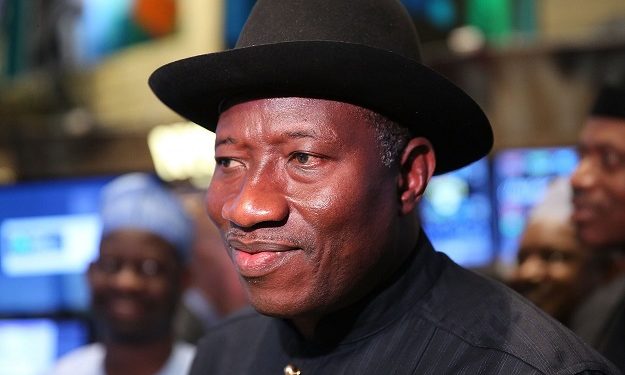
Former President Goodluck Jonathan has defended his endorsement of Bayelsa State Governor, Senator Douye Diri, during the November 11, 2023, off-cycle governorship election.
Jonathan stated that he owes no one an apology for supporting Diri’s re-election, emphasizing that it was the right decision as the governor had the majority support of Bayelsans.
He commended Diri for his leadership, especially in maintaining peace and stability in the state, noting a reduction in the excesses of cult groups in Yenagoa.
Jonathan urged the governor to continue addressing security challenges and fulfilling the high expectations of his support base.
Senator Diri expressed gratitude for Jonathan’s endorsement, attributing the victory to the former president’s support.
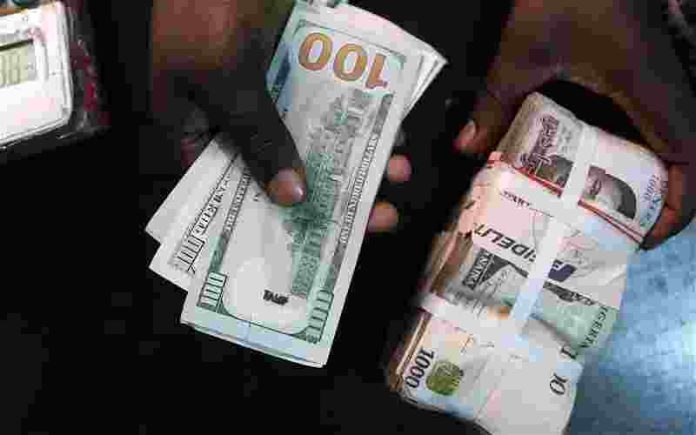
The Manufacturers Association of Nigeria (MAN) has recommended the implementation of upper and lower bands on the exchange rate to boost the performance of the manufacturing sector and the overall economy.
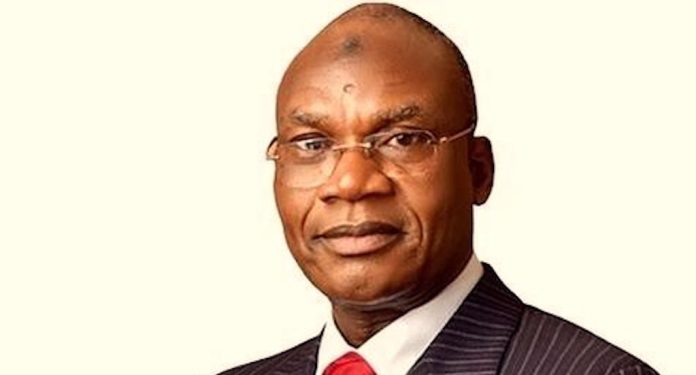
MAN’s Director General, Segun Ajayi-Kadir, suggested managing the floating exchange rate system within acceptable bounds while prioritizing forex and credit allocation to manufacturers.
The association also called for reduced reliance on Bureau de Change (BDCs) and effective management of their operations.
Ajayi-Kadir acknowledged the challenging outlook for the manufacturing sector in the first half of the year but projected some measured improvements in the second half.
To enhance sector performance, MAN proposed utilizing cost savings from fuel subsidy removal for production-focused policies, overhauling the power sector, and promoting the patronage of made-in-Nigeria products.
Other recommendations included encouraging local sourcing of raw materials, implementing Executive Order 003 to prioritize made-in-Nigeria products in government contracts, and leveraging the opportunities provided by the Electricity Act 2023 to improve energy security.
The Central Bank of Nigeria was urged to develop a sustainable framework for credit interventions in the manufacturing sector and mobilize commercial banks to provide long-term, single-digit interest loans to facilitate economic growth.
The National Assembly’s handling of the 2024 budget, where it will collectively spend N514 billion this year, has sparked outrage.
Critics argue that the N3.132 trillion allocated to the National Assembly since 1999, representing 5.52% of the total budget during this period, raises concerns about the cost of governance.
The budget allocation includes controversial items like N3 billion for Senate Car Park, N1 billion for Constitution Review, and significant amounts for the National Assembly’s comfort.
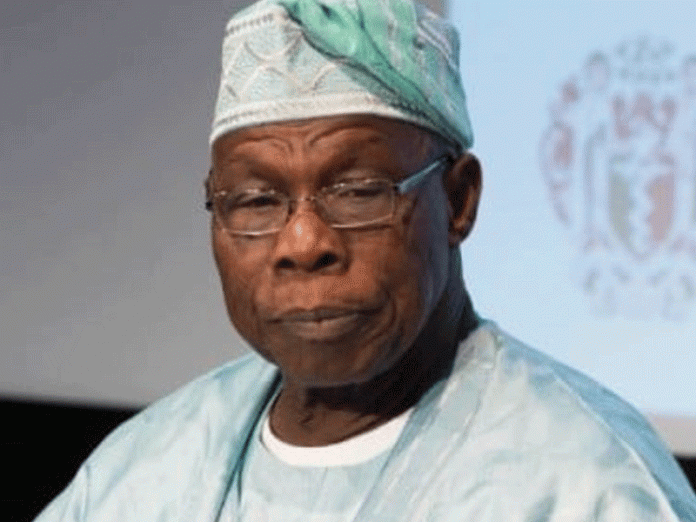
Former President Obasanjo warns that the next generation of African countries, including Nigeria, will face a substantial debt burden due to the continent’s current debt profile.
He emphasizes the need for responsible leadership and condemns the mismanagement of previous debts, cautioning against falling into the trap of accumulating more debt.
Despite the controversies, Senate President Akpabio defends the increased budget, stating that it aims to address the sufferings of Nigerians.
Speaker Abbas adds that the scrutiny of the budget led to adjustments for balance and asserts that it reflects a people-centric approach. However, criticisms persist, with calls for greater focus on the security and welfare of Nigerians.
President Tinubu has signed major bills into law, including the Electricity Act 2023, which aims to transform Nigeria’s electricity sector, the Access to Higher Education Act providing interest-free student loans, the Data Protection Act ensuring privacy rights, and a Judicial Officers Law establishing a standardized retirement age for judges.
The controversies surrounding budget allocations and spending underscore ongoing debates about governance, accountability, and the allocation of resources in Nigeria.
Former President Olusegun Obasanjo has expressed concern that the next generation of African countries will bear a substantial debt burden.
During an engagement with 2023 awardees of the Future Africa Leaders Foundation, Obasanjo emphasized that with the mismanagement of previous debts written off for some African countries, including Nigeria, it would be challenging for any administration to secure similar debt relief in the continent.
Obasanjo described these debts as a trap that individuals or nations should avoid, as they constitute a significant burden on any economy.
He commended Pastor Chris Oyakhilome for his efforts in building leaders and addressing the leadership crisis facing the continent.
Highlighting the qualities of a leader during a question and answer session, Obasanjo stressed the importance of setting good examples, bold decision-making, accepting mistakes, learning from them, and having realistic dreams.
In a separate event, Obasanjo expressed optimism about Nigeria’s socio-economic situation improving in the next four years with prayers and thanksgiving. Speaking at the Christian Association of Nigeria (CAN) Ogun State 5th Thanksgiving service for his conferment as the Asiwaju Onigbagbo, Ogun State, Obasanjo acknowledged the current challenges but urged people to be thankful for the mercy they have received.
While acknowledging the difficulties faced by the country, Obasanjo expressed hope that with gratitude and prayers, the socio-economic situation might improve in the coming years.
In a disturbing recurrence of violence, bandits targeted Bwari Area Council in the Federal Capital Territory on Wednesday morning, extending their attacks to Zuma community.
Two police officers were reportedly injured during the confrontation, while an undisclosed number of residents were kidnapped, adding to the wave of uncertainty.
This marks the fifth assault in a series of attacks originating from Garam in Niger State, a neighboring community to Bwari Area Council of the FCT. The assailants, known for their brazen tactics, have kidnapped more than fifty-five individuals, with the unfortunate loss of three lives, including the wife of a Redeemed Christian Church of God Pastor.
The recent surge in violence reached Garam on Monday night or Tuesday morning, where bandits targeted a family, abducting three members without encountering resistance from security forces. The man, described as an Abuja Electricity Distribution Company staff, and his family were forcibly taken from their home, disappearing into the dense vegetation on motorcycles.
This wave of criminal activities unfolded over the past two weeks, beginning on December 23, 2023, with reported incidents in Garam, Kuduru, and Azu. Despite initial denials from the FCT police command, asserting that Kuduru falls under Niger State jurisdiction, concerns about the security situation within the nation’s capital are escalating. Residents grapple with growing threats to their safety and well-being, emphasizing the urgency of addressing the banditry menace.
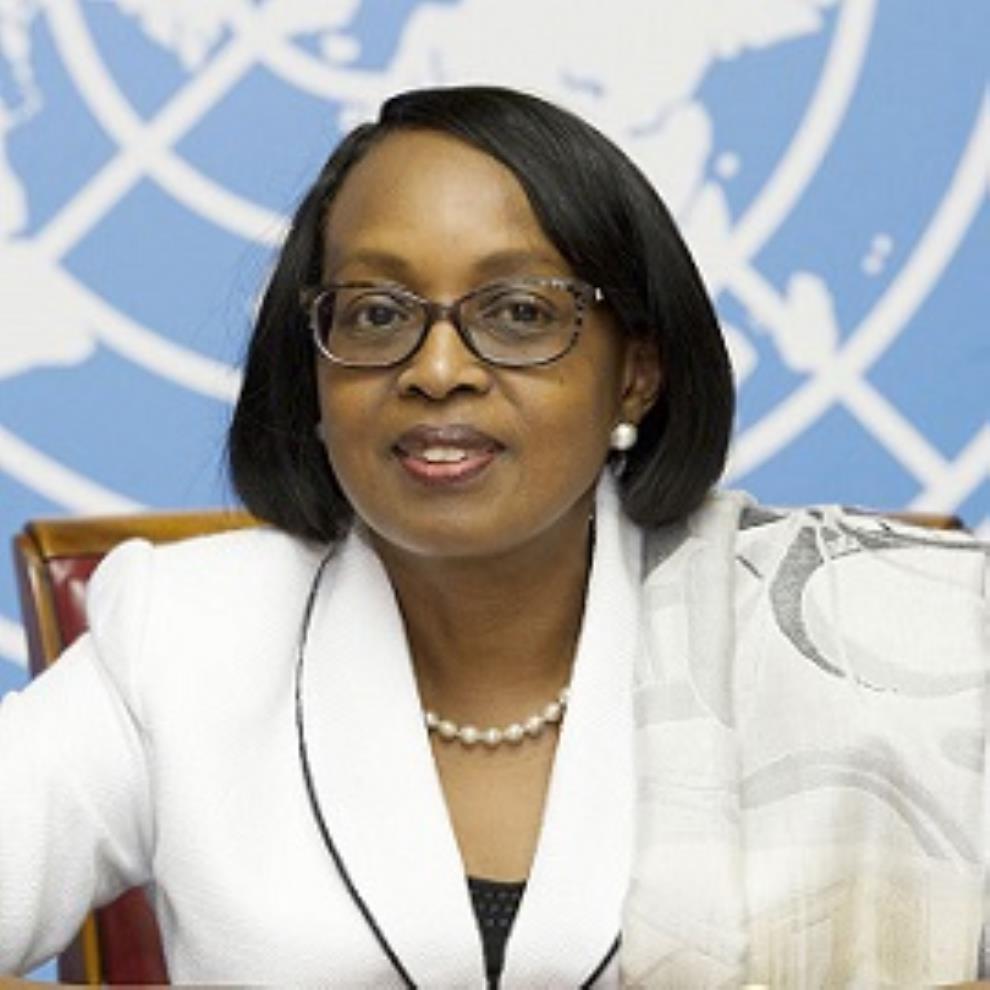
As Cervical Cancer Awareness Month is observed in January 2024, Dr. Matshidiso Rebecca Moeti, WHO Regional Director for Africa, draws attention to alarming statistics in the region. In 2020, 100,000 women were diagnosed with cervical cancer, resulting in 70,000 deaths, constituting 21% of global cervical cancer mortality.
This crisis disproportionately affects vulnerable communities, demanding immediate attention. Dr. Moeti emphasizes the urgency of addressing these pressing issues, highlighting three key campaign messages: be informed, get screened, and get vaccinated.
Awareness among young women about the link between cervical cancer and the human papillomavirus (HPV), responsible for 99% of cases transmitted during sex, is crucial. Despite significant gaps in knowledge and access to screening, the WHO African Region is actively combating this burden.
The 2021 public health framework targets specific goals, including vaccinating 90% of girls with the HPV vaccine by age 15, screening 70% of women using a high-performance test at ages 35 and 45, and ensuring timely treatment for those diagnosed.
Successful integration of cervical cancer screening into HIV services, particularly in Zambia, has shown positive results. Initiatives supported by Roche are integrating breast and cervical cancer services into primary healthcare in Cote d’Ivoire, Kenya, and Zimbabwe.
Advancements in screening techniques, such as HPV testing, self-sampling kits, and rapid HPV testing, have been implemented in various countries, including Kenya, Malawi, and Cameroon. Strengthening diagnostic and treatment capacity is crucial for early intervention, witnessed in Malawi, Sierra Leone, and Zambia.
Efforts to make HPV vaccination routine, with a single-dose vaccine adopted in four countries, show promise for higher coverage.
As we enter 2024, Dr. Moeti urges all countries to intensify awareness campaigns, promote screening, and encourage HPV vaccination. Cervical cancer, preventable and curable, requires a collective effort.
The WHO Regional Office for Africa remains committed to collaborating with countries and partners to expedite action, ensuring no woman in Africa faces this devastating disease without support.
Together, let’s prioritize cervical cancer on our agenda and work towards a future free from this preventable and curable affliction.
The Federal Government of Nigeria has announced its intention to extend the suspension of accreditation and evaluation of degree certificates beyond Benin Republic and Togo, targeting countries such as Uganda, Kenya, and Niger Republic. Minister of Education, Tahir Mamman, revealed this during an interview on Channels Television’s Politics Today program.
The move comes in response to the suspension of accreditation for certificates obtained from universities in Benin Republic and Togo after an undercover journalist exposed the ease of acquiring a degree within a short period. The journalist also revealed deploying the acquired degree for the National Youth Service Corps.
Minister Mamman emphasized the government’s commitment to investigating such cases, stating that the probe’s report is expected within three months. He expressed no sympathy for individuals obtaining degrees through illegitimate means, categorizing them as part of a criminal chain subject to arrest.
The minister highlighted that security agencies would pursue individuals with fake foreign certificates using them to secure opportunities in Nigeria. This signals a concerted effort to address the broader issue of fraudulent educational credentials affecting the integrity of the country’s workforce.
Regarding the long-anticipated student loan program, Minister Mamman assured that President Muhammadu Buhari’s commitment to its operation from this quarter is being actively pursued by the committee working on its implementation.
The Independent Petroleum Marketers Association of Nigeria (IPMAN) has expressed concerns over the affordability of purchasing petrol trucks by its members following the removal of the fuel subsidy by President Bola Tinubu.
Surajudeen Bada, a National Ex-officio of IPMAN and former Chairman in Ogun State, revealed in an interview that individual oil marketers are now pooling resources to buy and share 45,000 litres of petrol, a practice attributed to the subsidy removal.
Bada explained that before May 29, 2023, a 45,000-litre tanker of petrol cost below N9 million. However, since the removal of the subsidy, the same quantity now costs N27 million, making it financially challenging for many marketers.
President Bola Tinubu had announced the end of the petrol subsidy regime on May 29, 2023, leading to a significant surge in pump prices from about N180/litre to N537/litre, eventually reaching N617/litre on July 17.
Bada, who also serves as the chairman of Oil and Gas Traders Association in Ogun State, voiced concerns about the negative impact of government policies on marketers. He emphasized that the increased cost of procuring petrol trucks has forced many marketers out of business.
In response to the financial constraints, Bada stated that marketers are now adopting a collaborative approach, contributing money collectively to purchase a single truck, which is then shared among multiple petrol stations.
The situation underscores the economic challenges faced by petroleum marketers as they navigate the repercussions of the subsidy removal and adapt their business practices to cope with the increased cost of procuring fuel.
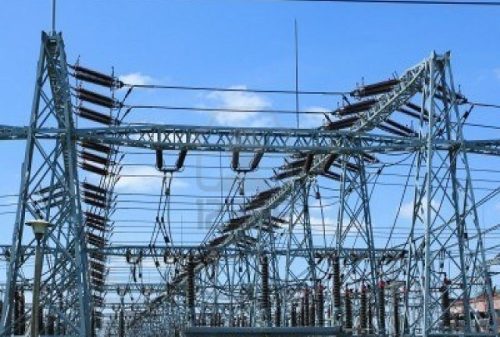
The National Electricity Regulatory Commission (NERC) has asserted that electricity distribution companies (Discos) must obtain its approval before implementing any tariff increases. Usman Abba Arabi, the spokesperson for NERC, emphasized this during a discussion with our correspondent on Tuesday.
Amidst media reports suggesting an imminent hike in electricity tariffs by Discos in the New Year, Arabi clarified that the commission had not sanctioned any new tariffs for any Disco in the Nigerian electricity supply industry. He urged Nigerians to dismiss reports of tariff increments scheduled for January 1, 2024.
Despite NERC’s assurance, some Nigerians on social media expressed skepticism, indicating concerns that Discos might proceed with tariff hikes independently. Reports of observed increases in electricity bills fueled these doubts.
Inusa Mani, a Facebook user from Kaduna, reported customers purchasing electricity units at allegedly new rates. This prompted questions about NERC’s effectiveness in overseeing tariff adjustments.
Vito Jean, an Ibadan resident, claimed the Ibadan Electricity Distribution Company had been charging exorbitant amounts for modest electricity consumption, raising questions about the transparency of billing practices.
Segun Alex echoed concerns about the lack of directives from NERC before purported tariff increments. Responding to public fears, Arabi reaffirmed that Discos were prohibited from implementing any electricity tariff changes without NERC’s explicit approval.
As NERC maintains its stance on regulatory oversight, the ongoing dialogue reflects the delicate balance between ensuring affordable electricity for consumers and addressing financial challenges within the power sector.