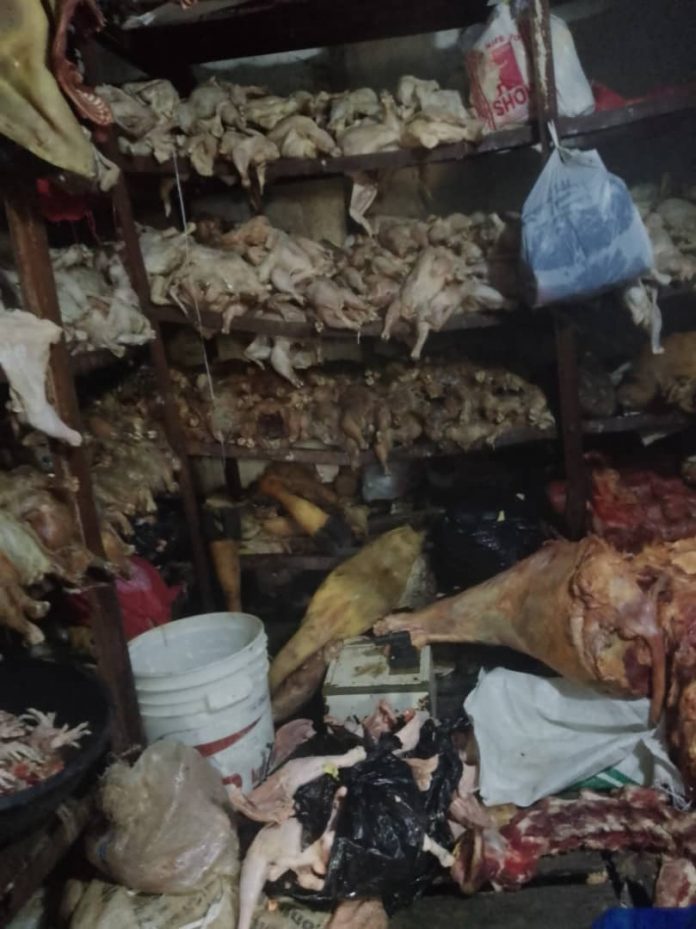
The Federal Capital Territory Administration (FCTA) on Friday arrested two employees in charge of a cold room at Garki International Market Abuja for allegedly selling rotten chicken to consumers.
Kaka Bello, the head of the Abuja Environmental Protection Board (AEPB), who was accompanied by security police and board workers said the report came from the market management and the Public Complaints Commission.
His words : “We are here base on the report we received from the market management and the public complaints commission. We have been going round to talk about environmental issues generally, but today we are here to talk about environmental health issues.
“The board received an information of stock pilled chicken and meat which has already decayed and unfortunately those operating the cold room are selling them to the public, and is not good for human consumption, before we came in here, the meat has been evacuated, according to the people we saw operating the cold room.
“So, we have taken the two persons operating the cold room into custody for more findings to make sure that the rotten meat is not transported to another place for sale. According to them, We want to know where it has been evacuated to, if they destroy it we want to see where it was done. We want to be sure that is not transported to other markets for sale.
“This is for the public to know that such act is not allowed in the Federal Capital Territory, basically we know that they have been selling these things before the market management and Public Complaints commission get to know about it and alerted us.
“We are going to charge them to court after necessary investigations are concluded, and they will pay for their sins. People cannot come to market to buy what to eat for their good health, and buy rotten items. This is unacceptable” he said.
Bello further stated that the board would come down hard on any one found selling or involved in unwholesome meat activities.
High-risk populations in Africa are being vaccinated against COVID-19, with promising outcomes. Over half of health workers and those over the age of 60 are fully vaccinated against the virus in countries that report to the World Health Organization (WHO).
Data from 31 nations reporting on COVID-19 immunizations of high-risk categories shows a significant increase in comparison to the end of December 2021, when just 33% of health workers and 10% of the elderly were fully immunized. The World Health Organization recommends that health workers get 90 percent of their vaccinations and that persons over 60 get 80 percent of their immunizations.
Only two African countries (Mauritius and Seychelles) have fully vaccinated 70% of their total population. Rwanda is expected to achieve this target by the end of the month based on the pace of its current uptake, bringing to three, the number of countries in Africa reaching the 70% global target by the end of June.
However, Africa has a largely youthful demography, with 45% of the continent’s population under the age of 18. In a bid to use vaccines strategically, most countries are targeting their adult population. WHO is recommending to countries with low vaccination coverage to focus on high-priority groups – health workers, older adults and people with comorbidities. The continent’s coverage of people over 18 years is estimated at 34%, significantly higher than the 18% full coverage in the general population. Nine countries have fully vaccinated more than 70% or their adult population, while 21 have reached more than 40% of adults.
“Having been beset by poor access to doses, costly delays and shortfalls, Africa’s COVID-19 vaccination progress so far is no mean feat,” said Dr Matshidiso Moeti, WHO Regional Director for Africa. “Africa’s youthful population has helped the continent weather the COVID-19 pandemic. While protecting young people at high-risk of COVID-19 is paramount, focusing efforts on vaccinating older people, health workers and other vulnerable populations will ensure we stay a step ahead of the virus.”
WHO recommends that countries continue to focus on high-priority populations such as health workers, people with comorbidities and older people, and to diversify vaccination delivery strategies, combining vaccination in fixed health facility sites with efforts to take vaccination to the communities through mass vaccination campaigns and intensification of routine immunization activities.
To date, at least 31 countries have planned mass vaccination campaigns until end of the year. During mass vaccination campaigns, WHO recommends that countries set up bespoke mobile teams for targeted vaccination of high-priority groups. Learning from the experience of HIV testing and treatment, provider-initiated COVID-19 vaccination should be offered in primary health care and in special units offering care to people with comorbidities such as HIV, diabetes, cardiovascular diseases and cancer.
WHO and partners are focusing support on countries that risk falling behind. Fourteen African countries with less than 10% vaccination coverage are to receive multi-partner country support, with WHO stepping up efforts to strengthen the management of COVID-19 vaccination data in its assistance to these countries, many of which are also grappling with humanitarian crises and/or diseases outbreaks.
Over the past week, the number of new COVID-19 cases in Africa marginally increased following a sustained three-week decline. This slight uptick was due to the recent surge in cases reported in East and North Africa. As of the 13 June 2022, there were 11.9 million COVID-19 cases in Africa, including 254 442 deaths.
Dr Moeti spoke during a virtual press conference today facilitated by APO Group. She was joined by Dr Daniel Kyabayinze, Director, Public Health, Ministry of Health, Uganda; Professor Emmanuel Nakoune, Acting Director of the Institut Pasteur in Bangui, Central African Republic; and Dr Peter Fonjungo, Director of the United States Centers for Disease Control and Prevention in the Democratic Republic if the Congo.
Also on hand from WHO Regional Office for Africa to respond to questions were Dr Abdou Salam Gueye, Director of Emergency Preparedness and Response; Dr Thierno Balde, Regional COVID-19 Incident Manager; Dr Fiona Braka, Team Lead, Emergency Operations; and Dr Phionah Atuhebwe Vaccines Introduction Medical Officer.
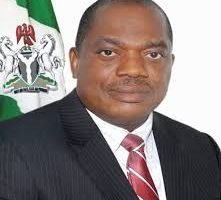
Mr. Olusade Adesola, the Permanent Secretary of the Federal Capital Territory Administration (FCTA), has established a Coordinating Committee on the Recovery of Outstanding Ground Rents of N29, 506,643,943.98 owing to the Administration by property owners in Abuja.
This, he claimed, was to increase money generation into the administration’s coffers.
The Permanent Secretary stated during the Committee’s inaugural meeting at the FCT Minister of State Conference Room in Abuja that improving revenue production has been a priority for this administration from its establishment.
In a statement made available to newsmen in Abuja by the Director, Information & Communication, Federal Capital Territory Muhammad Hazat Sule, Adesola reaffirmed that money is critical in the operation of government, the supply of infrastructure, and the provision of infrastructure as well as delivery of quality services to the residents of the Territory.
He explained that funding of FCTA activities is being hampered due to paucity of funds, which is necessary for the running of a modern capital city such as Abuja.
He said: “The decision to embark on recovery of Ground Rents has therefore, become a matter of necessity. We are serious about this. All those owing should come forward to settle their debts”.
The Permanent Secretary, however, recalled that the FCT Administration has earlier migrated all revenue collections to Treasury Single Account (TSA) via REMITA Platform, to boost revenue generation in compliance with the Federal Government directive.
According to him, “despite all these efforts, the rate of revenue generation has not met the realities on ground, hence the need to exploit other frontiers”.
The 9-Member Coordinating Committee is headed by the FCT General Counsel / Secretary of Legal Services Secretariat, Muhammed B. Umar.
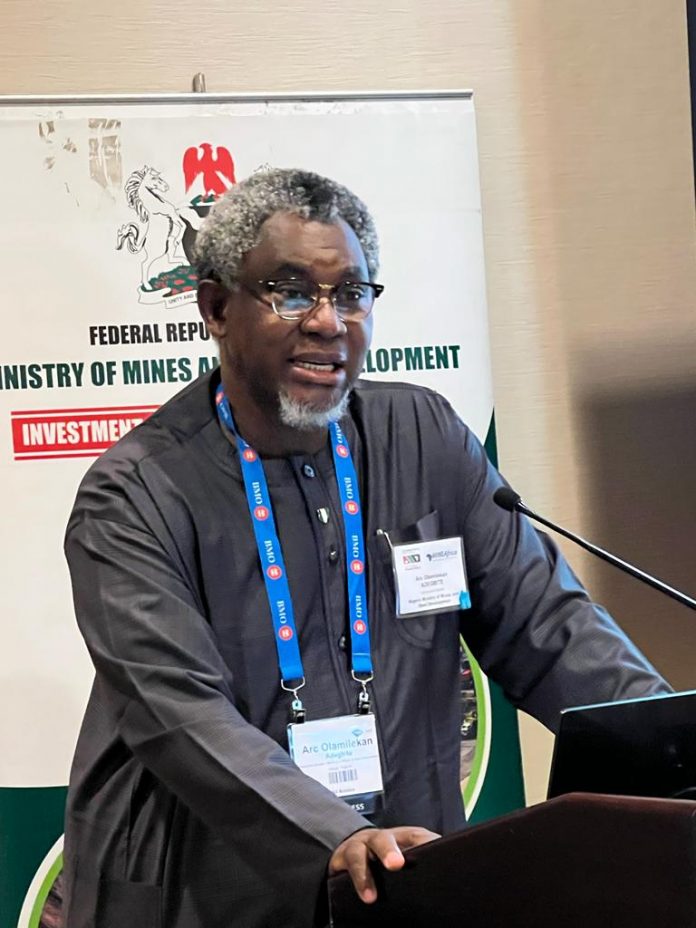
Arc Olamilekan Adegbite, the Minister of Mines and Steel Development, has informed global investors that Nigeria’s solid minerals are among the best in terms of quality and quantity.
Because they are closer to the surface and produce at a low cost, these minerals are rated highest in terms of return on investment.
He also reassured them that the Buhari-led administration is committed to providing the best incentives available anywhere in the world to serious businesses.
The Minister gave this assurance in his paper titled: ‘The Mechanisms of Transparency and Commitment in Mining Governance as Tool for Attracting Foreign Direct Investment to Nigeria’ on the Nigerian Day at the ‘2022 Prospectors & Developers Association of Canada (PDAC) International Convention, Trade Show and Investors Exchange’ in Toronto, Canada.
He added that, the Nigerian Government is seriously focusing on the solid minerals sector, which investors and investments bare top on its priority list as as far as policies are concerned which make the mining sector very business friendly because of mechanisms put in place to promote ease of doing business as this is built on strong policy and regulatory structure is very the years.
He further stated that the robust structure, line by line, is the reason Nigeria is seeking to attract investment into the sector.
Adegbite said that, the fact that global economies have experienced unprecedented challenges since the break out of COVID-19 pandemic, and as a result the conference is holding in June.
According to him: “Nigeria has been part of this event for several years because of our determination to see exponential growth of the mining sector’s contribution to our GDP more than it has done in the past forty years.
“We are here to collaborate and network with global leaders, professionals, investors, Chief Executives of junior, mid-tier and major mining companies. It is also on this premise that the Ministry of Mines and Steel Development, in collaboration with industry stakeholders, vowed to pull resources and consolidate on the 2016 Roadmap for the Growth and Development of the Nigerian Mining Industry.
“In pursuit of the goals set forth in the roadmap, the government initiated an ambitious reform regime in the sector, the flagship of which was the National Integrated Mineral Exploration Programme (NIMEP), designed to rapidly generate bankable geoscientific data with the aim of de-risking the sector and attracting high caliber investments.
“Target minerals under the first phase include Gold, Lead-Zinc, Iron Ore, and the Battery Minerals, among others. The contractors have executed and completed the exploration works on Gold, Platinum Group of Elements (PGEs), Lead-Zinc, Iron Ore and Barites.
“Currently, there is an ongoing review of the Nigerian Minerals and Mining Act 2007, aimed at bringing legislation into conformity with global best practices, limiting the role of government to that of regulation, and creating the space for the private sector to maintain a more expansive presence in the sector.
“The early evidence that our framework is on the right track is the inflow of notable investments.
“These include Thor Exploration Limited’s Segilola Gold Mine Project, in Osun State, which has an initial production capacity of 80,000 ounces of gold annually, representing the first large-scale Gold Mine in Nigeria.In June last year, we commissioned the Dukia Gold & Precious Metals Refinery (DGPMR) Project.
“The company set out to be a foremost indigenous refiner and trader of gold and other precious metals. Its potential impact on the gold sector is nothing short of revolutionary.
“By providing offtake opportunities through the establishment of Precious Metals Buying Centres, it serves as a spur for more small and medium scale mining investment, while its refinery symbolizes its focus on value addition in the gold and precious metals industry in Nigeria and West Africa.
“A similarly remarkable investment is the integrated Iron Ore Mining and Processing Plant set up by African Natural Resources and Mines Limited (ANRML) in Kaduna, which has an initial production capacity of 4.704 million tons of iron per annum and will scale up to 5.88 million tons per annum by 2025.
“In line with the economic diversification plan of the Government, my Ministry has issued a Request for Qualifications for bidders interested in receiving concessions to begin the production of bitumen in Nigeria as the country possesses about 42 billion tons of proven reserves of bitumen, estimated to be the sixth largest in the world.
“These blocks are located close to key ports for export purposes and import of mining equipment, and railways cutting across areas with bitumen deposits.
“Therefore, we seek for suitably qualified investors with pre-requisite experience, technological expertise and financial capacity for the development of bitumen resources in Nigeria.”
He (Adegbite) also made it known that: “Results on Greenfields and Brownfields are on process to be declared for investment opportunities.
“We have also commenced the process of retrieving Nigeria’s colonial geological data from the United Kingdom by engaging the British Geological Survey (BGS) to build a national electronic geo-data archiving management system to be called the Nigerian Geo-Data Center at the Nigerian Geological Survey Agency (NGSA).
“This would provide easy access to geoscience data for prospective investors on potential areas to target for exploration and mining within and outside Nigeria.”
Meanwhile, he hinted that there are a lot of incentives enshrined in the Nigeria Minerals and Mining Act, 2007, which include:Customs and import duties waiver for plant, machinery and equipment imported for mining operations; Tax holidays of between three to five years as applicable;Free transferability of funds and permission to retain and use earned foreign exchange;Capital allowances of up to 95% of qualifying capital expenditure; Deductibility of Environmental Costs (money meant for environmental remediation will be tax free); and100% ownership of mineral properties.
“Meanwhile, part of our modest efforts towards achieving the desired aim is repositioning the Mining Cadastre Office to promote transparency in mineral title administration.
“The processes have been streamlined to enable investors to apply online and obtain licenses and leases within and outside Nigeria.
“From the revenue drive perspective, the Nigerian Mining Sector has demonstrated a marked improvement despite the challenges of the pandemic. The secret of the sudden jump can be attributed to the introduction of “First Come, First Served” and “Use it or Lose it” in the licensing administration.
“This has helped to re-organize, eliminate speculators, and led to the revocation of about 1,566 mineral titles, activated many dormant licenses and increased revenue inflow into the treasury”, he stated.
Miscreants acting as scavengers are wreaking havoc on lawful residents in the Lugbe Community, and indigenous people have expressed their unhappiness.
They bemoaned the situation and demanded that the government intervene immediately.
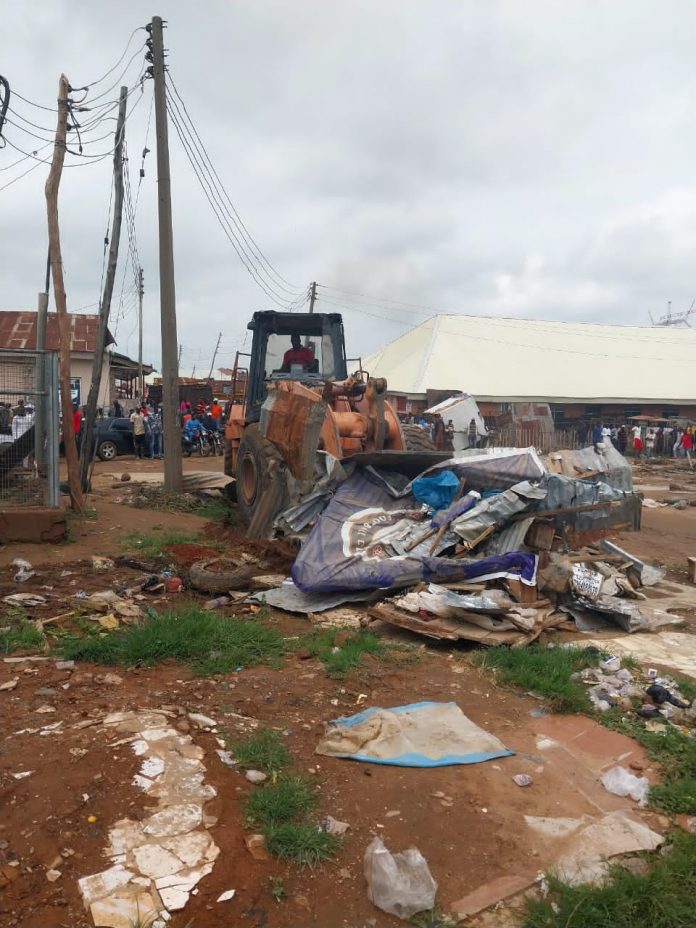
The Federal Capital Territory Administration (FCTA) resumed its assault on roadside selling and other illicit scrap market operators on Thursday.
The surge of miscreants and their rising criminality in the area has left some of the community’s youth leaders feeling helpless and unprotected, according to those who raised the alarm.
One of the leaders, Yohanna Habila, hinted that: ” The community has tried to control them, but you know that these people are rude, they seem to have overshadowed the community at the moment. That is why we are appealing that the Taskforce should continue with this exercise to help in controlling them”.
Meanwhile, the Senior Special Assistant on Monitoring, Inspection and Enforcement to FCT Minister, Comrade Ikharo Attah who led the squad for the operation, vowed that enforcement against roadside trading and other illegalities won’t be abated until the administration achieves the desired result.
He said that containing the excessess of the miscreants has been tasking, but the squad will continue to live up to its responsibility.
While he expressed dismay that the dismantled illegal roadside markets that defaced the Airport road, had been reorganised by some residents, he stated that the cleaning exercise will be sustained.
According to him, “The administration would soon begin to arrest both traders and those who promote roadside markets, as a deterrence to others in various communities.
” What we came here to do is part of controlling roadside trading along the Airport road. We discovered that where we cleared last year for the community to use for their car park have been reoccupied again .
” We will persistently keep coming and keep removing. Enforcement officers are paid to enforce, so we must enforce. It is contemporary deception to think that a city will grow to the extent of not needing enforcement.
” We are working to keep enforcing urban and regional and the Abuja Environmental Protection Board laws. Subsequently, we will also begin to make massive arrest”.
In the next 18 months, the National Information Technology Development Agency (NITDA) plans to train one million developers in various fields of application development.
The deployment of digital technology is a vital basic tool in the execution of the United Nations 17 Sustainable Development Goals (SDGs) to make the world a better and safer place, according to a statement released by NITDA on Wednesday.
NITDA Director General Kashifu Inuwa, this ambitious strategy would be carried out in conjunction with various stakeholders in the ecosystem with the goal of making Nigeria the hub of digital talent in Africa.
The Director General who stated this at the Global Digital Economy Summit organised by the Junior Chamber International Nigeria (JCIN) which was held at D’podium Event Centre, Lagos urged everyone to take advantage of the various opportunities provided by the government.
Inuwa, who was represented by the Acting Director of the Agency’s Corporate Planning and Strategy department, Dr. Aristotle Onumo, while expressing his delight at the theme of the event,”Digital Transformation-Defining Our Success Pillars”, asserted that the purpose of the event clearly aligned with the agenda of the present administration of President Muhammadu Buhari, in sustaining the digitisation of Nigeria.
“I am indeed delighted with the theme of this summit which aptly captures the main essence of the National Digital Economy Policy and Strategy (NDEPS) and resonates with the goal of our strategic road map and action plan 2021-2024”, he said.
Describing digital transformation as a cultural change that requires organizations to continually challenge the status quo, Inuwa averred that adoption and use of digital technologies will provide unprecedented opportunities which the private and public sectors can leverage to increase their productivity and market access.
He noted that the Nigerian government’s commitment to the growth of the country’s digital system, the NITDA boss stated that several programmes and initiatives have been designed by the Federal Ministry of Communications & Digital Economy and NITDA to increase the level of digitisation and digitalisation in public and private institutions.
He further argued that the ongoing implementation of the NITDA’s Strategic Roadmap and Action Plan 2021-2024 which was developed to harness the vast opportunities and growth potentials of the digital tech sector has accelerated Nigeria’s digital transformation.
“As an Agency working towards the Digital transformation agenda of this present administration as contained in the National Digital Economy Policy and Strategy (NDEPS), we have initiated the Technology Innovation and Entrepreneurship Support (TIES) Scheme that will encourage more innovation-driven startup ventures to be formed, with an emphasis on indigenous technologies”, Inuwa disclosed.
He, however, emphasized on the Agency’s commitment in ensuring that citizens are empowered with Information Technologies, Inuwa disclosed that the National Centre for Artificial Intelligence and Robotics (NCAIR) was established to develop an army of IT proficient and globally competitive manpower as part of its contribution to the successful implementation of the Digital Transformation Policy.
“NCAIR represents government’s determination to create a suitable environment for technology innovation, transformation, incubation, and discovery while harnessing the abundant creative ideas of Nigeria’s teeming youth population for national development through the promotion of innovative technologies”, he said.
Motivating all youths to be innovative driven in order to benefit maximally from government initiatives, the NITDA boss stated that the Agency has engaged in various collaborations in securing grants to support startups to a tune of three hundred million naira and have also sponsored startups to various international fora which, according to him, will give young entrepreneurs global visibility.
Giving more insights into the Agency’s continued efforts at implementing Digital skills and literacy, a pillar of the SRAP, Inuwa stated that 500,000 people have been trained in various areas of digital skills, 1,650 students trained in IT essential across 30 institutions of higher learning while underserved communities, children, women and people living with disabilities are beneficiaries of digital inclusion programmes of the Agency.
He, therefore, urged everyone to take advantage of the various opportunities being provided by the government in facilitating the adaptation and adoption of digital technologies to create value for Nigerians.
He said, “Digital transformation is a journey, we have set of our strategic road map and action to proactively develop Nigeria into a sustainable digital economy, we therefore call on all stakeholders to join hands with us to co-create a digital future for our great nation”.
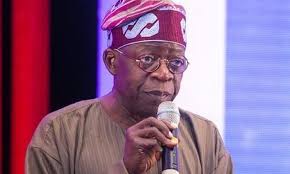
The All Progressives Congress (APC) appears to have chosen Alhaji Abdullahi Umar Ganduje, the Governor of Kano State, as the preferred running mate for the party’s presidential candidate, Bola Ahmed Tinubu, ahead of the 2023 presidential elections.
This information was contained in a press statement issued by Ganduje’s Support Group Director General, Comrade Suleiman Magaji, and made available to journalists in Abuja.
According to the statement, the APC National Working Committee chose the incumbent Kano State Governor as Tinubu’s running mate based on his state’s allegiance, commitment, and infrastructure development.
The statement, however, acknowledges that the issue of religion played out eloquently during the selection process, but noted that Nigerians are more interested in developmental stride rather than religion affairs.
While commending the National Working Committee of the party for the choice made thus far, the group called on all party faithfuls to support the duo to enable the party emerge victorious in the presidential elections.
“It is time we close rank to ensure victory for all our candidates from the ward levels to the presidency,” the statement added.
***Urges them to Focus on PHC, Education, Security, Sanitation
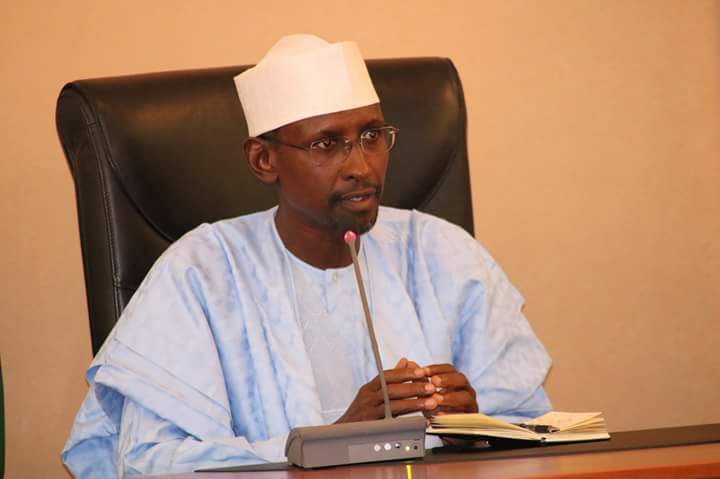
Malam Muhammad Musa Bello, the Minister of the Federal Capital Territory (FCT), swore in the newly elected Chairmen of the Six Area Council and their Vice Chairmen on Tuesday in Abuja, in accordance with a court ruling.
Bello advised the Chairmen to focus on effective administration in order to meet the people’s needs and ambitions while speaking to them.
The Chief Judge of the FCT, Justice Hussaini Yusuf, who was represented by Justice Suleiman Belgore, administered the oath of office to the Chairmen and their vice-chairmen.
The minister also encouraged them to uphold the Oath of Office, the Constitution of the Federal Republic of Nigeria, and the FCT’s rules and regulations.
Bello said: ” The time of electioneering campaign is over. Now it is time to face and focus on good governance to ensure that electorate enjoy more dividends of democracy in the territory.
” You should accord priority attention to Primary Health Care (PHC) services; sanitation primary education and other basic social amenities,” Bello said.
Earlier, the Mandate Secretary for FCT Area Councils Services Secretariat, Alhaji Abubakar Dantsoho, also enjoined the chairmen to prioritize their area of concentration.
He said that: ” You were elected to perform and you are going to be judge by your performance. You can see about three of them were reelected if they have not perform well I’m sure they will not be elected by the electorate.
” So, it is a very big challenge, it is not a time for jamboree. It is time for governance and I urge them to do the best otherwise we will be out for them.
” At the FCT Area Council Services Secretariat we are very in charge of the area councils and we will be going after them, inspecting their programmes and whoever didn’t perform we will the law will take it cost.”
Meanwhile, the chairmen, while taking their Oath of Office pledged to defend the constitution of Nigeria and abide by the rules and regulations guiding the running of FCT without any fear or favour.
They also vowed to govern in fairness , devoid of discrimination to all residents, irrespective of political, ethnic or religious affiliations, even as they promised to discharge their duties in to the best of their abilities in honesty and integrity.
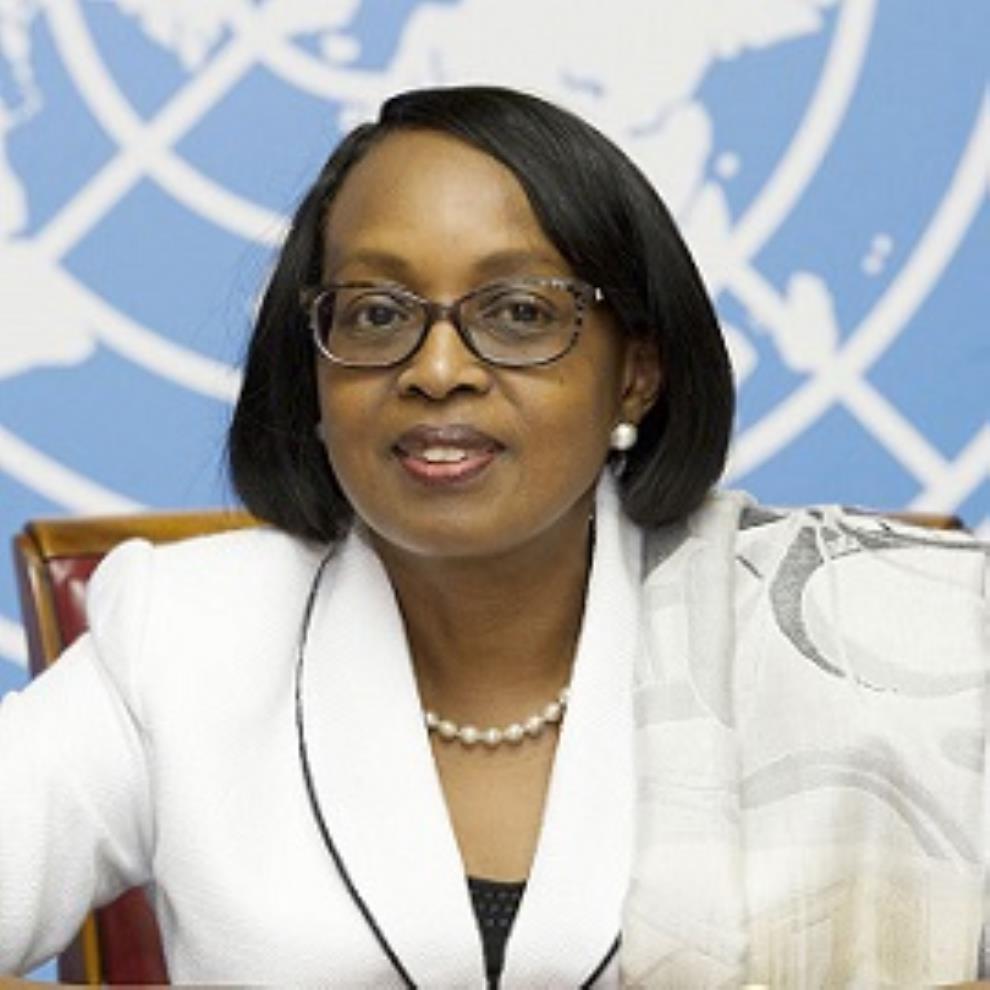
Dr Matshidiso Moeti, the World Health Organization (WHO) Regional Director for Africa, has said that donating only one unit of blood could save the lives of up to three patients.
She made this known in her message to commemorate the 2022 World Blood Donor Day, which is observed on June 14th of every year.
According to her, the international community commemorates World Blood Donor Day to honor the gift of life given by unpaid blood donors all over the world. As the WHO Regional Office for Africa, we once again join the call for more people to become regular blood donors.
This year’s theme, ‘Donating blood is an act of solidarity. Join the effort and save lives’, highlights the critical role of voluntary blood donations in saving lives, and enhancing community solidarity and social cohesion.
According to her: “Compared to other Regions globally, the African Region sees a disproportionate number of conditions requiring donor blood, impacting as many as seven million patients every year. Examples include haemorrhage associated with pregnancy and childbirth, severe anaemia due to malaria and malnutrition, bone marrow and inherited blood disorders, trauma and accidents, as well as man-made and natural disasters.
“While the need for donor blood is universal, access for everyone who needs it is not. In the African Region, demand regularly outstrips supply, negatively impacting timely access for all patients who need safe and quality-assured blood to save their lives.
“As a consequence of the COVID-19 pandemic, voluntary unpaid blood donations dropped significantly. Malawi, for example, registered a 46% decrease in donations.
“Countries across the African Region have worked hard to improve blood donation frequency, and the situation is showing signs of stabilizing. Blood transfusion services in many countries reached out to blood donors through public awareness campaigns, transporting donors from and to their homes, using digital platforms and establishing call centres”.
Moeti further stated that, “The situation remains challenging, and it is exacerbated by issues such as staff shortages and limited funding from governments and partners organizations for effective blood donor education, recruitment, and retention.
“As WHO in the African Region, we provide support to countries at various levels, including resource mobilization for the implementation of national blood transfusion plans, advocacy for integrating blood safety in these plans, and strengthening the legal and regulatory framework for blood safety.
“On World Blood Donor Day today, I urge African governments and political leaders to prioritize the provision of adequate human and financial resources to secure the future of national blood transfusion services. A blood service that gives patients access to safe blood and blood products, in sufficient quantities, is a key component of an effective health system.
‘Seeking out opportunities for partnerships and collaborations with media, the private sector, and faith-based and non-governmental organizations, will help increase the recruitment and retention of voluntary unpaid blood donors”.
She thanked Africa’s blood donors for their selfless contribution to national health systems, through this life-saving gift to patients who need transfusion therapy.
She also acknowledge the tireless efforts of blood services staff who are deeply committed to maintaining critical blood supplies, of the research and development professionals pursuing new technologies and uses for donated blood, as well as the medical teams who use blood rationally to save lives.
Donating blood is an act of solidarity. By becoming a blood donor, you will help ease the pressure on health systems still struggling under the burden of the COVID-19 pandemic, she stated.
Mr Ogechukwu Udeagha, the Manager, Media and Communications of Mobil Producing Nigeria Unlimited (an ExxonMobil subsidiary), has hinted that the company’s foundation had invested 15 billion naira to combatting malaria in Nigeria over the last 20 years.
He clarified that this is solely for Nigeria, adding that they spend much more globally.
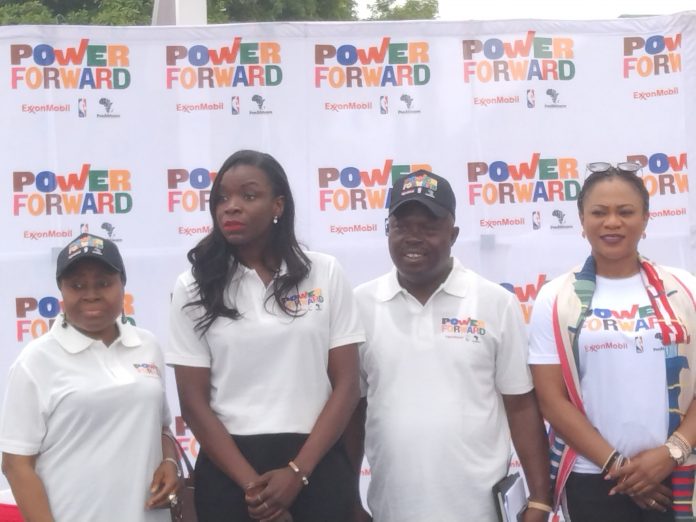
He made this known, on Thursday at the Launch Basketball clinic mentoring sessions of Boys and girls team scrimmages ,tagged: Power Forward 2022 Season held at Government Secondary School, Tundun Wada, in collaboration with NBA Africa and PanAfricare.
He did say, however, that they are utilizing basketball as a rallying point to reach out to the students who will inturn take the message to their parents at home.
According to him:” Nigeria recorded more than 2000 deaths from malaria in 2020, even COVID-19 has not killed up to that number since it inception and nobody seems to be interested in the fight against malaria.
” It is a lot of work to get people to understand that malaria is a killer disease, you hear people say, I just have malaria, you don’t just have malaria, you have a major disease and we will take all precautionary measures to stop the dreaded disease and ensure that people are aware of the dangers of malaria. This is the message we are hoping that the young ones will take home , telling their parents on the need to have mosquito nets, clean our environments.
” The foundation has been working in the area of advocacy and research. We have about 15 local scholars who are attending several universities across the world. Malaria vaccine, I will not announce it here but there is a lot of input that our scholars who are on scholarship made into the research. We are not just talking advocacy, we are talking research, how do we end this, how do we get vaccination to stop malaria. We are also talking about treatment, we have distributed a lot of nets, diagnostic kits and a lot of treatments. It’s a whole value change for us from prevention to treatment, advocacy to research all of that is what we are focused on.”
NBA Africa Vice President and Country Head, Gbemisola Abudu, also spoke at the occasion, stating that the goal of the program is to provide young boys and girls with the opportunity to learn about the fundamentals of basketball while also equipping them with life skills that can improve their lives.
She stated, “We want to make sure that the programme cuts across Nigeria.” They have reached over 150 thousand pupils in Abuja during the last nine years, she added.Also speaking at the event, NBA Africa Vice President & Country Head, Gbemisola Abudu said the objective of the programme is keep young boys and girls the opportunity to learn about the foundamental of basketball while also equiping them with life skills that can transform their lives.
She said, they have reached about 150 thousand students in the last nine years in Abuja, we want to make sure that the project cut across Nigeria.
She added that,” we use this programme for talent hunts and youth empowerment”.
Meanwhile, the Director/Secretary, FCT Secondary Education Board , Mrs Nanre Emeje said Power Forward started this project in five secondary schools and now they are in 21 schools . If there was no positive impact, we wouldn’t have given them approval for more schools.
According to her:” The students that are prefects today were part of this programme, I am glad to let you know that the boys team of basketball in one of our schools are champion. Right now, they won the league in Lagos under the Maltina championship and they will be representing FCT in Lagos at the end of the month. They are students that have been groomed through power forward project.
“We are not afraid to grant them more approval if they want to go into all our schools we are ready”, she said.