
Wednesday, March 11, 2026
Home Blog Page 445

EU, WHO Supports Accreditation Of Maiduguri College of Nursing and Midwifery

0

TOYIN ADEBAYO, ABUJA

The College of Nursing and Midwifery, Maiduguri in Borno state, has secured full accreditation from the regulatory body, the Nursing and Midwifery Council of Nigeria.

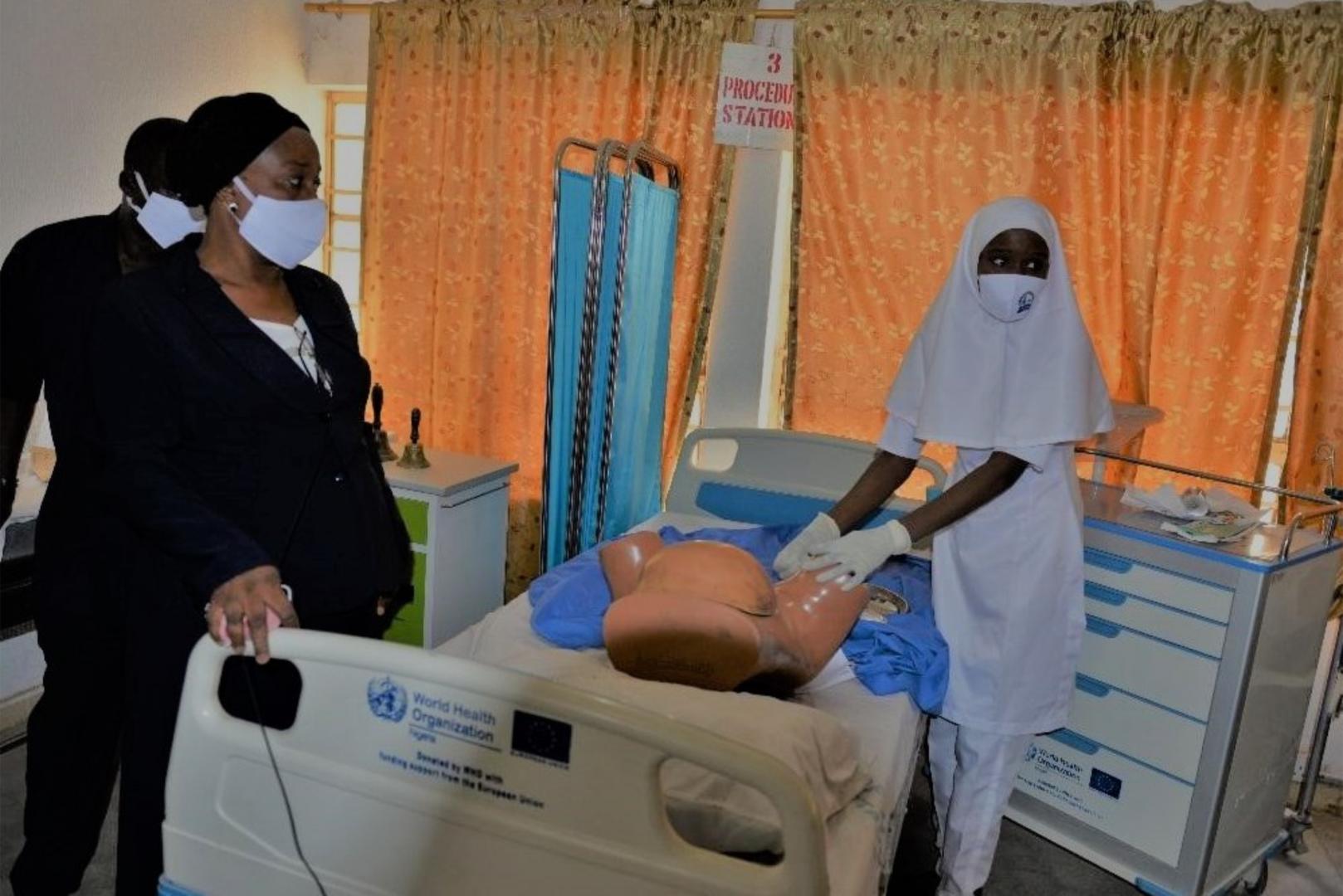
The accreditation comes 40 years after inception and made possible with recent donation of modern equipment and tools by WHO with funding support from the European Union.

Items donated include laboratory equipment, classroom furniture, library books, practical teaching tools, hospital beds and computers. According to the students and staff of the institution, these equipment and facilities have also made teaching and learning a lot easier and friendly.

Hajia Rukaiya Shettima, the Provost of the College of Nursing and Midwifery, Maiduguri, Borno state said, “I have the opportunity to share two distinct yet complementary experiences of this school, “One, as a student nurse in the then School of Nursing and now as a staff, in fact, the provost of the school, now College of Nursing and Midwifery. 

According to her, although the School of Nursing was established in 1971 by the defunct government of northern Nigeria, I gained admission to study nursing in 1981. As a student nurse in the 1980s, I still recall how we struggled to memorize procedures, role-play steps and imagine practical approaches for activities we hadn’t adequate equipment for practicals. Despite the challenges, studying nursing in this school back in the 1980s was fun and a privilege, yet more arduous.” 

Without the full accreditation of the Borno College of Nursing and Midwifery, Hajiya Rukaiya confirms that the school was limited to a sparse curriculum and few students. “The school hadn’t full accreditation from Nigerian Nursing Council and admitted just a few students due to inadequate facilities and teaching staff. Although we did well for many years in national and international examinations, it took uncommon dedication and commitment to success.”

Accreditation ensures the same standards and criteria across all nursing programmes in Nigeria irrespective of locations while ultimately improving the quality of nursing education and keeps the curriculum up to date on current trends in nursing and healthcare. Without full accreditation, a nursing school is limited to admitting a certain number of students and offering a handful of healthcare programmes.

Hajiya Rukaiya’s experience as a staff and indeed the manager of the College is now different. “Now as a staff of the college since 1991, things have changed a lot,” she added. The quality of training and learning started declining over the years due to obsolete equipment, outdated facilities and exodus of many skilled teachers who left for safety or for greener pastures especially in the last decade associated with the insurgency in north-east Nigeria. It was not until 2016 that the government of Borno state upgraded the school to a College of Nursing and Midwifery. 

“As a College of Nursing and Midwifery, the school still operated with partial accreditation until WHO, with funding support from the European Union, supported the College with requisite laboratory equipment and reagents, information technology tools including computers, modern nursing textbooks and classroom facilities which enabled full accreditation in 2020 after forty years from inception.

“With the full accreditation today, teaching and learning at the College of Nursing and Midwifery in Maiduguri have improved tremendously. In fact, in our last examination, 98% of our students scored 95% in nursing exams. Presently, the college admits as much as three times the number of students admitted hitherto in Basic Nursing programmes, Basic Midwifery, Community Nursing and Community Midwifery. Also, the college curriculum has been expanded to include community midwife and community nursing among others. The college can now award a Higher National Diploma in Nursing and Midwifery. Many thanks to WHO supported by the European Union.”         

Prior to the insurgency, northeastern Nigeria had one of the lowest health development indicators in Nigeria. As the crisis festered for more than a decade, health indices deteriorated.  “More than two-thirds of health facilities became completely or partially destroyed with a dramatic drop in childhood vaccination rates, leaving children at greater risk of preventable life-threatening diseases such as polio, malaria, meningitis and measles,” says Dr. Collins Owili, Emergency Manager, WHO health emergency programmes for north-east Nigeria. 

Over the years, the healthcare workforce in Borno state weakened and declined tremendously. Affected populations remain at high risk of epidemic-prone diseases like cholera, measles, meningitis, and viral fevers such as Lassa fever and yellow fever. Endemic malaria accounts for 50% of mortality and morbidity, a proportion that is higher than all other causes of death combined including cholera, measles and hepatitis E. Also, one in five children is severely malnourished within a context of high malaria prevalence and a weakened healthcare system.

Hence, it became urgent and essential to strengthen the healthcare system, build the capacity of available health staff, strengthen the curriculum of healthcare institutions and provide urgently needed care which has become unavailable or inaccessible to many people in need. 

With funding support from EU, USAID, governments of Canada and Germany and other donors, WHO is responding to the direct impact of the crisis on the populations by providing technical guidance, capacity building of local health workers, setting standard protocols, disease surveillance and response to disease outbreaks. Supporting the College of Nursing and Midwifery, in Maiduguri with training equipment and facilities for improved healthcare teaching and learning will impact on the healthcare delivery system now and in the long term.
WHO Supports Anambra State To Boost COVID-19 Testing Capacity

0

…Trains 42 Sample Collectors Across  21 LGAs

TOYIN ADEBAYO, ABUJA

The World Health Organization (WHO) State Anambra State Coordinator, Dr Igboekwu Chukwumuanya has hinted that, “WHO invested both human and financial resources in training 42 samples collectors across  21 LGAs of the state.

He said this has directly contributes to the realization of government’s goal of decentralizing the COVID-19 response to enable states and LGAs take ownership.

While adding that, WHO’s commitment is centered on supporting the government actualize the set targets. 

According to him, the training sample collectors directly contributes to strengthening the laboratory component of the pandemic response is committed to supporting.  Adding that, once fully strengthened, LGAs are expected to become the operational hub of the pandemic response, to guarantee long term sustainability of the response.”

As of 07 July 2020, Nigeria has 37 functional COVID-19 test laboratories located in 36 States and the Federal Capital Territory. The country also recorded 29 286 confirmed cases, discharged 11 828 patients, and 654 deaths from 156 925 tested samples.

Ms Ifediata Adaora, a Medical Laboratory Scientist and one of the beneficiaries of the two-day training on Covid-19 on sample management organized by the World Health Organization (WHO) in collaboration with the Nigeria Center for Disease Control (NCDC) said the capacity building is timely and has empowered them to effectively respond to COVID-19.

Saying, the training will boost the States’ capacity for active case search and sample collection thereby dictating more cases which will help in curbing the pandemic. 

“it was quite an educative training, which left us better informed on facts about the Covid-19 infection, how to prevent infection through proper use of personal protective equipment, sample collection, packaging and transport.

Notwithstanding restrictions put in place by both the state and federal Government, cases of COVID-19 in Anambra state remain on the increase.

Based on the Presidential Task Force’s recommendation of decentralization of the response to the states for sustainability and improved coordination, the Anambra state government has created roving Rapid Response Teams (RRT) who operate as semi Emergency Operation Centers (EOC) at various Local Government Areas (LGAs).

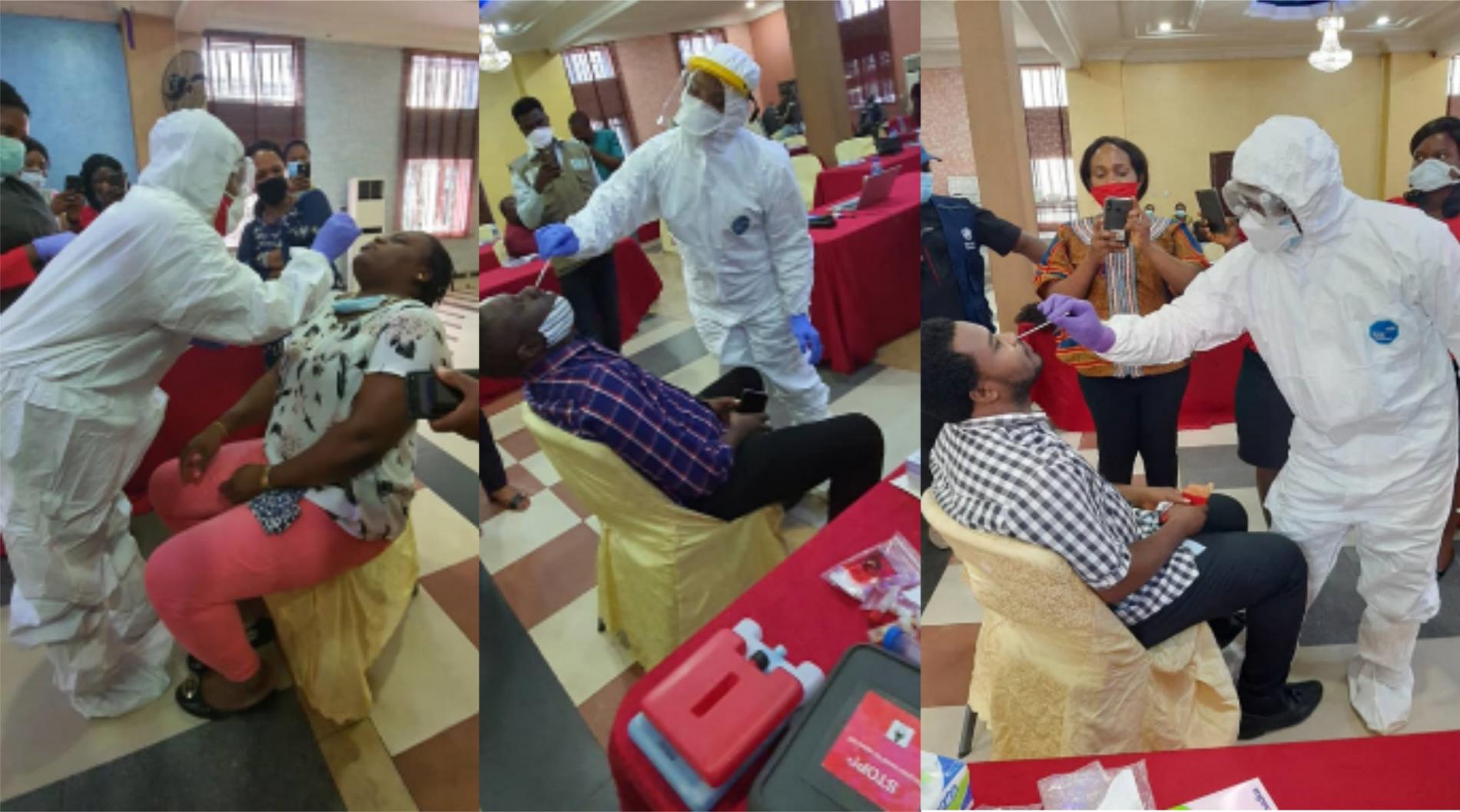
These teams are involved in active case search at the community level to find more patients. To support the active case search, WHO supported Anambra State and trained 42 personnel from 21 LGAs, which included laboratory scientists/technicians and scientific officers to intensify the response and provide the support needed in increasing sample collection across all LGAs.

According to her, the facilitators were trained on how to correctly collect, package, and transport COVID-19 samples in the state.  Before the hands-on training, virtual training on COVID-19 sample management was conducted in April 2020 with a few participants mainly from the State level.

COVID-19-Tackling Mental Health During Isolation Is Essential To Full Recovery

0

TOYIN ADEBAYO, ABUJA

The World Health Organisation (WHO) has revealed that tackling mental health during isolation is essential to full recovery of Covid-19.

Narrating his ordeal, Dr Korir Charles, a WHO Nigeria staff who recovered from COVID-19 said, “When I tested positive to COVID-19 on April 23 2020, I was evacuated to an isolation facility with minimum contact with other infected persons and none with people from outside. Being in isolation was really one of my lowest points as I began feeling depressed and worried about my situation. 

Fortunately, the psychosocial support provided by the World Health Organization (WHO) Stress Counsellor; Dr David Igbokwe went a long way in helping me cope with the situation.

He reached out to me on a daily basis, prompted me to have a structured daily routine and begin journaling of my experience”.

He further stated, “During isolation, I was also encouraged to reach out to family members and close friends for bonding and social support. I recall a discussion I had with him and he made me count the positive things I have achieved in my working life. This simple strategy made me focus on my strengths in the present as well as have hope for the future. I usually looked forward to receiving calls from him.” 

The COVID-19 pandemic, like other situations of crisis (natural or man-made disasters), is a time of significant stress, notably associated with the uncertainty regarding possible duration and discovery of a cure/vaccine. This ongoing stress cuts across all categories- age, socioeconomic status, gender and is worse for some already vulnerable populations (elderly, poor, with pre-existing physical/mental health problems).

So far, since Nigeria recorded its first case on February 27 2020, the numbers of confirmed cases have risen to 28 711 with 645 deaths while 11 665 have been discharged as of 05 July, 2020. 

A Consulting Psychiatrist in Lagos state, Dr Thomas Ibironke said, “mental and psychosocial illnesses can result from social isolation, loss of pleasures of life (like attending parties, travelling, and conferences) and stress arising from working at the frontlines. Others include unstructured work, handling children while working, job loss amongst others. With lockdowns and movement restrictions in place in many states, levels of loneliness, depression, harmful alcohol and drug use, and self-harm or suicidal behaviour may also be on the increase.

Sh added that, “To have good mental health during the pandemic, people need to focus on what is within their control, take care of their general health including diet, sleep and exercise, reduce listening or watching unreliable news, connect with loved ones remotely and speak out if they are struggling and speak to a licensed professional (counselling, other therapies, medication if needed)” she added.

Speaking further on addressing mental health amid COVID-19 pandemic, Dr Igbokwe mentioned that, “I have attended to quite a number of patients going through phases like anxiety and depression and have been able to help a lot recover and get back on track when things are not as they used to be, it is not surprising to see these effects on people’s mental health.”

He added that,  “to maintain good mental health during this pandemic, it is important to adhere to a few guidelines; don’t stay inactive for extended periods watching TV, don’t spend time thinking or asking when will this end or why is it affecting me, don’t lose hope, faith and self-control. Do have a routine, do exercise, do focus on the positive aspects of the situation, do pay attention to nutrition, do have quality conversations with friends and loved ones.”

Saying, one in four Nigerians – some 50 million people – are suffering from some sort of mental illness, according to the World Health Organization.

WHO continues to be at the forefront of the fight against COVID-19 by providing support to respective response pillars of Emergency Operation Centres and the Presidential Task Force on COVID-19.

COVID-19 Cases Reaches 500, 000 In Africa, Claims 11, 959 Lives

0
Moeti
WHO Regional Director for Africa

TOYIN ADEBAYO, ABUJA

The World Health Organisation (WHO), has revealed that COVID-19 infections in Africa today (Wednesday), surpassed 500 000, and there is concern as a growing number of countries are experiencing a sharp rise in cases.

Saying, it said in less than five months, the virus has claimed 11, 959 lives, overtaking the 11 308 lives lost in the world’s worst Ebola outbreak in West Africa between 2014 and 2016.

WHO added that cases have more than doubled in 22 countries in the region over the past month, saying nearly two-thirds of countries are experiencing community transmission.

It said Algeria, Egypt, Ghana, Nigeria and South Africa account for about 71% of COVID-19 cases, adding that South Africa alone accounts for 43% of the continent’s total cases.

However, the accelerating growth trend is not uniform across the continent, with some countries recording a steady rise in cases, indicating a protracted pandemic.

“Eritrea, Gambia, Mali, Seychelles and Togo are witnessing long doubling times and low growth rates. Seychelles had not experienced a case in nearly two months, but in the past week had dozens of new imported cases, linked to crew members of an international fishing vessel. There are also some signs of progress as 10 countries have experienced a downward trend over the past month. Although Egypt accounts for 15 percent of cumulative cases, it has seen a decline in the past week”, WHO said.

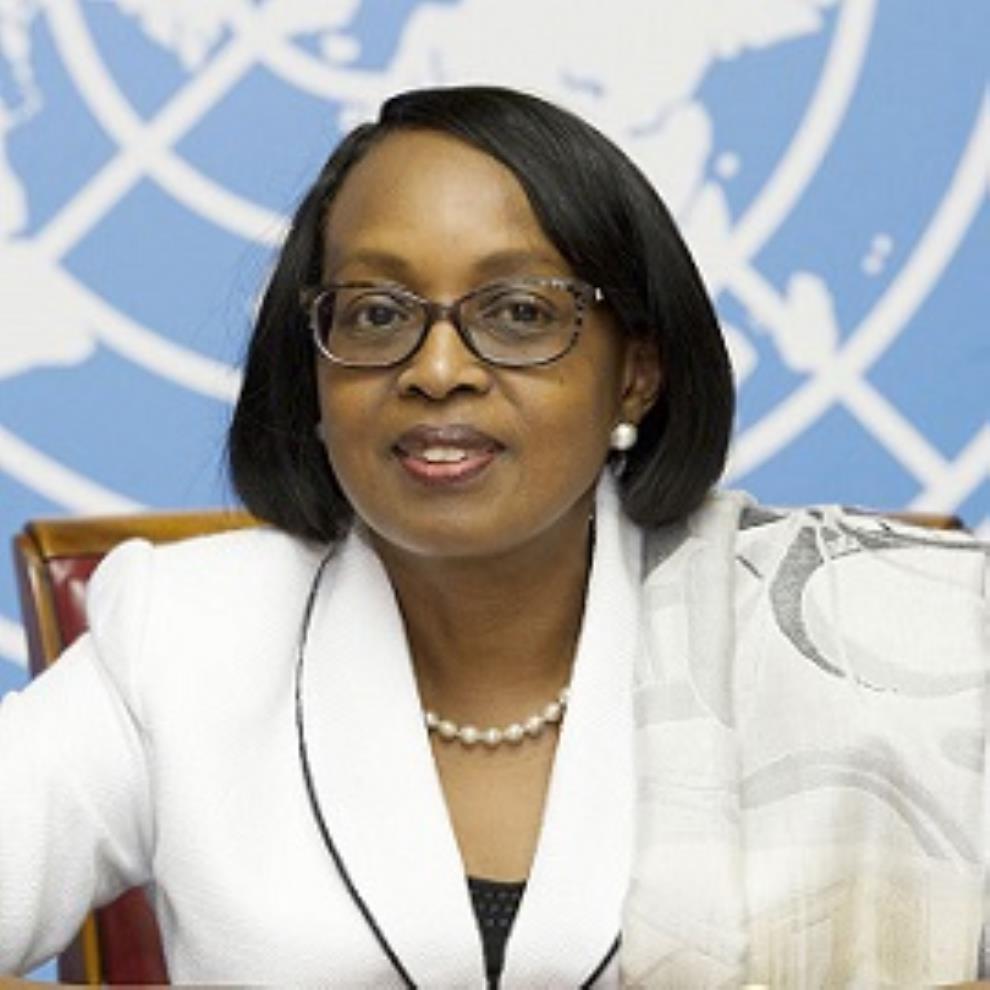
The World Health Organization (WHO) Director for Africa, Dr Matshidiso Moeti said, “With more than a third of countries in Africa doubling their cases over the past month, the threat of COVID-19 overwhelming fragile health systems on the continent is escalating.

“So far the continent has avoided disaster and if countries continue to strengthen key public health measures such as testing, tracing contacts and isolating cases, we can slow down the spread of the virus to a manageable level.”

Eighty-eight per cent of COVID-19 infections are among people aged 60 and below, likely due to Africa’s relatively young population. However, the likelihood of dying from COVID-19 rises with increasing age and the existence of co-morbidities, with the risk of death among patients aged 60 years and above being 10 times higher compared with those below 60.

Also, the WHO Director for the Eastern Mediterranean Dr Ahmed Al-Mandhari, added that, “Communities across the continent have a crucial role to play in controlling the pandemic, especially as countries begin easing lockdowns and opening up their borders”

“As governments continue to implement public health measures, individuals must remain as cautious and vigilant as ever to protect themselves, their families, and their communities. Hand washing, mask use, physical distancing and other preventative measures are key to controlling transmission, saving lives, and ensuring that already overwhelmed health systems are not stretched to breaking point.”

The organization said as COVID-19 continues to spread, thousands of health workers have also fallen ill, saying equipping and protecting health workers is one of the central pillars of the COVID-19 response.

WHO is working to support countries respond to COVID-19 by providing technical guidance, crucial medical equipment and has remotely trained more than 25 000 health workers.

WHO has also organized more than 420 shipments of key equipment, including more than 3000 oxygen concentrators, 23 000 GeneXpert diagnostic testing machines and almost 4 million pieces of personal protective equipment for health care workers.

COVID-19: WHO Calls For Equitable Access To Future vaccines in Africa

0
Regional Director for Africa, WHO

TOYIN ADEBAYO, ABUJA

The World Health Organization (WHO) in Africa (www.Afro.WHO.int) has joined immunization experts in charging the international community and countries in Africa to take concrete actions to ensure equitable access to COVID-19 vaccines, as researchers around the world race to find effective protection against the virus.

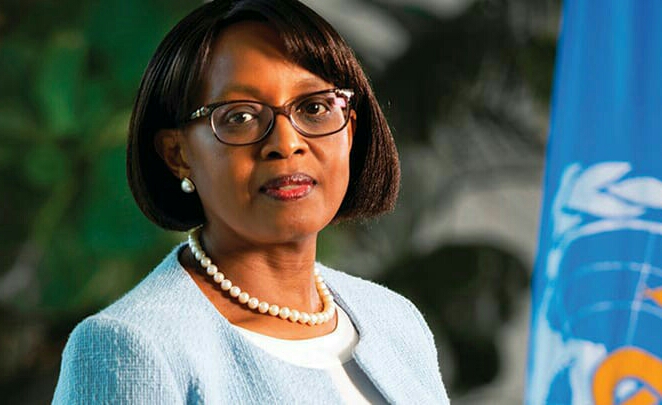
Dr Matshidiso Moeti, the WHO Regional Director for Africa said, “It is clear that as the international community comes together to develop safe and effective vaccines and therapeutics for COVID-19, equity must be a central focus of these efforts”

She added that, “Too often, African countries end up at the back of the queue for new technologies, including vaccines. These life-saving products must be available to everyone, not only those who can afford to pay.”

WHO and partners launched the Access to COVID-19 Tools (ACT) Accelerator to speed up the development, production and equitable access to COVID-19 diagnostics, therapeutics and vaccines.

The meeting brings together leaders of government, global health organizations civil society groups, businesses and philanthropies to form a plan for an equitable response to the COVID-19 pandemic. WHO is collaborating with Gavi, the Vaccine Alliance and the Coalition for Epidemic Preparedness Innovations (CEPI) to ensure a fair allocation of vaccines to all countries, aiming to deliver 2 billion doses globally for high-risk populations, including 1 billion for low and middle-income countries.

The African Union has endorsed the need for Africa to develop a framework to actively engage in the development and access to COVID-19 vaccines. Countries can take steps now that will strengthen health systems, improve immunization delivery, and pave the way for the introduction of a COVID-19 vaccine. These include: mobilizing financial resources; strengthening local vaccine manufacturing, and regulatory, supply and distribution systems; building workforce skills and knowledge; enhancing outreach services; and listening to community concerns to counter misinformation.

According to her, Gylobally, there are nearly 150 COVID-19 vaccine candidates and currently 19 are in clinical trials. South Africa is the first country on the continent to start a clinical trial with the University of Witwatersrand in Johannesburg testing a vaccine developed by the Oxford Jenner Institute in the United Kingdom. The South African Ox1Cov-19 Vaccine VIDA-Trial is expected to involve 2000 volunteers aged 18–65 years and include some people living with HIV. The vaccine is already undergoing trials in the United Kingdom and Brazil with thousands of participants.

According to the African Academy of Sciences only 2% of clinical trials conducted worldwide occur in Africa. It is important to test the COVID-19 vaccine in countries where it is needed to ensure that it will be effective. With more than 215 000 cases, South Africa accounts for 43% of the continent’s total cases. Clinical trials must be performed according to international and national scientific and ethical standards, which include informed consent for any participant.

Moeti encouraged more countries in the region to join these trials so that the contexts and immune response of populations in Africa are factored in to studies”. “Africa has the scientific expertise to contribute widely to the search for an effective COVID-19 vaccine. Indeed, our researchers have helped develop vaccines which provide protection against communicable diseases such as meningitis, Ebola, yellow fever and a number of other common health threats in the region.”

Earlier, this month WHO Africa’s principle advisory group on immunization policies and programmes – the African Regional Immunization Technical Advisory Group (RITAG) – also noted the need to ensure equitable access to COVID-19 and other vaccines in the region.

“As the world focuses on finding a vaccine for COVID-19, we must ensure people do not forget that dozens of lifesaving vaccines already exist. These vaccines should reach children everywhere in Africa – no one can be left behind,” said Professor Helen Rees, Chair of the RITAG.

Initial analysis of the impact of the COVID-19 pandemic on immunization in the African Region suggests that millions of African children are likely to be negatively impacted, as routine immunization services and vaccination campaigns for polio, cholera, measles, yellow fever, meningitis and human papilloma virus have been disrupted.

Despite these challenges, RITAG members also noted significant milestones and markers of progress. For example, there have been tremendous gains in the fight against wild poliovirus, and the African Region is expected to be officially certified free of wild poliovirus in August 2020. The Democratic Republic of the Congo also announced the end of its 10th Ebola outbreak in eastern DRC, which was the worst in its history. An effective vaccine was a key tool in the response.

Moeti spoke about COVID-19 vaccine development in Africa during a virtual press conference today organized by APO Group. She was joined by Professor Shabir Madhi, University of Witwatersrand, Principal Investigator of Oxford Covid-19 Vaccine Trial in South Africa; and Professor Pontiano Kaleebu, Director of the MCR/UVRI and LSHTM Ugandan Research Unit. The briefing was streamed on more than 300 African news sites as well as the WHO Regional Office for Africa’s Twitter and Facebook accounts.

FCT Health Secretary Tests Positive To COVID-19

0
Dr Mohammed Kawu
Dr Mohammed Kawu

TOYIN ADEBAYO, ABUJA

The Federal Capital Territory Administration (FCTA) ,Health and Human Services Secretariat Acting Secretary, Dr. Mohammed Kawu has tested positive for COVID-19 

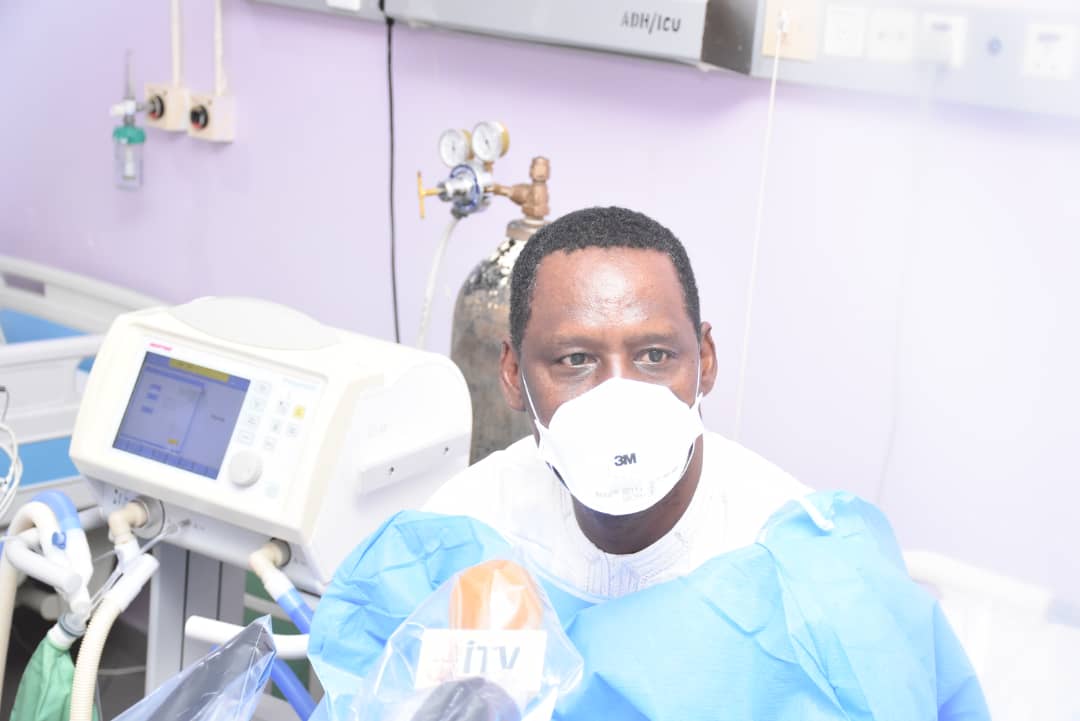
Kawu made his status known while speaking with newsmen at the Asokoro District Hospital where he is currently receiving treatment, Kawu made known his journey to the Isolation Center began 12 days earlier when he experienced feverish conditions. This prompted him to take the COVID-19 test which turned out positive.

The Acting Secretary who is an equivalent of Commissioner for Health stated that, it was very important for Nigerians to appreciate that COVID-19 is real and can be fatal, hence, the need to comply with COVID-19 protocols.

According to him, “I want every Nigerians, like I’ve always told them in the media, that this thing is real and anybody can be infected, especially those of us that are on the frontline.  The disease can be fatal and it is important that everyone follows all the extant guidelines of hand washing or sanitizing, maintain social distancing wearing of facial covering and staying at home.

While speaking on the challenges of being a frontline health worker, Kawu said that the major drawback was infecting members of their families at home. He said that his family members who are infected are also being managed within the FCT system.

Speaking on his symptoms and status of his health, Kawu said, “I’m happy and I thank my creator that mine was moderate infection. I got some symptoms that were not very severe. I had to be on intravenous (IV) drugs for about 10 days. I’m stronger now. Probably they will discharge me anytime soon”.

Speaking on other frontline health workers , he said “I noticed very important thing; there is so much commitment by the health workers, they are very committed, very patriotic. They are risking their lives to protect the society”.

He continued “So, my appeal to everyone in the society is that we must all be part and parcel of this fight against the COVID-19. Everybody must take personal responsibility to ensure that he or she protects his or herself and his or her family”. 

Other COVID-19 patients who were also receiving treatment at the Asokoro Isolation and Treatment Center also called on the public to observe all extant guidelines to tame the spread of the disease. 

The FCT has 7 isolation and treatment centers across the Territory. 6 of them are public facilities while one is privately managed.

Waterways Transportation Would Remove Huge Logistics Challenges Encountered On Road, Adegbite

0

…As MMSD Signs MoU With Sealink On Ajaokuta Jetty As Loading Port

TOYIN ADEBAYO, ABUJA

Minister of Mines and Steel Development, Arc Olamilekan Adegbite, disclosed that the use of waterways as means of transportation will not only increase the volume of commerce, but would remove the huge logistics challenges encountered on the road.

While adding that , it will also reduce the damage done to the roads by heavy duty trucks as well as decrease the high cost of road maintenance.

He hinted that his Ministry has taken a giant stride in the actualisation of its bid to develope the economy and diversify from crude oil.

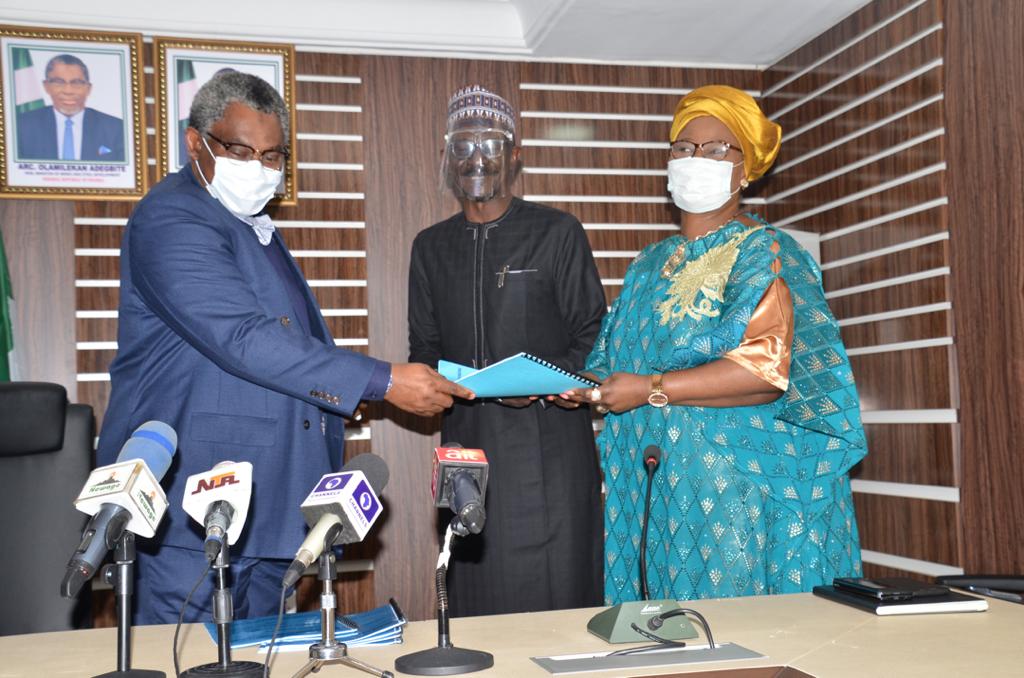
Adegbite made this known during the signing a Memoranda of Understanding (MoU) with Sealink Promotional Company Limited on the use of Ajaokuta jetty landing port.

The project which is being executed in conjunction with Nigeria Export Import Bank, NEXIM, is geared towards utilizing the commercial value of the jetty and effective usage of the waterway.

Adegbite revealed that the use of the Ajaokuta jetty as landing port for the internal waterways would enable goods to be transported easily and at a cheaper rate and increase commercial activities around the jetty.

He applauded the collaboration, saying such Public Private Partnership would aid in economic growth and improve infrastructural development.

He saluted the doggedness of the team in bringing the project to fruition and assured of the Ministry’s full support.

Earlier, the Managing Director of Nigeria Export Import Bank (NEXIM), Abba Bello, affirmed that the signing of the MoU was a milestone in the private sector support of government’s effort to diversify the economy.

Bello disclosed that the signing of the MoU with the Ministry would enable Sealink Promotional Company to use the jetty as lading port. He thanked the Ministry for its cooperation in driving the project.

Also, the Chairperson of Sealink Promotional Company, Dabney Shall-Holma revealed that it would lend its services to provide support and capacity in terms of evacuation of solid minerals.

She added that the use of the waterways would be very affordable as it will remove about 80% of the cost element of transportation.

In his closing remarks, the Permanent Secretary of the Ministry, Edet Sunday Akpan, appreciated everyone who worked tirelessly to ensure that the project is concluded and ready to take-off.

He commended the company for partnering with the Ministry to put the jetty to effective use.

FCT Mobile Court Convicts Two Lebanese, Seals Hotel, Nightclub in Maitama, Wuse

0

TOYIN ADEBAYO, ABUJA

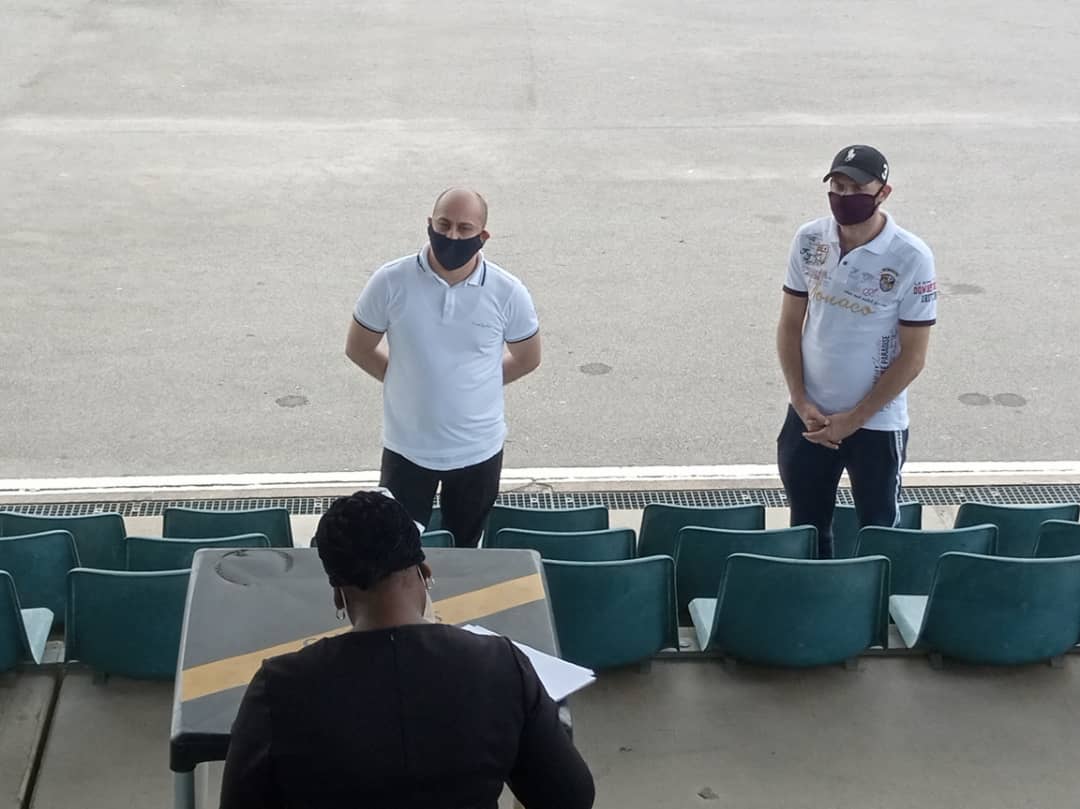
The Federal Capital Territory (FCT) Mobile Court on Wednesday tried and convicted two Lebanese, others for
contravening the Covid-19 protocols.

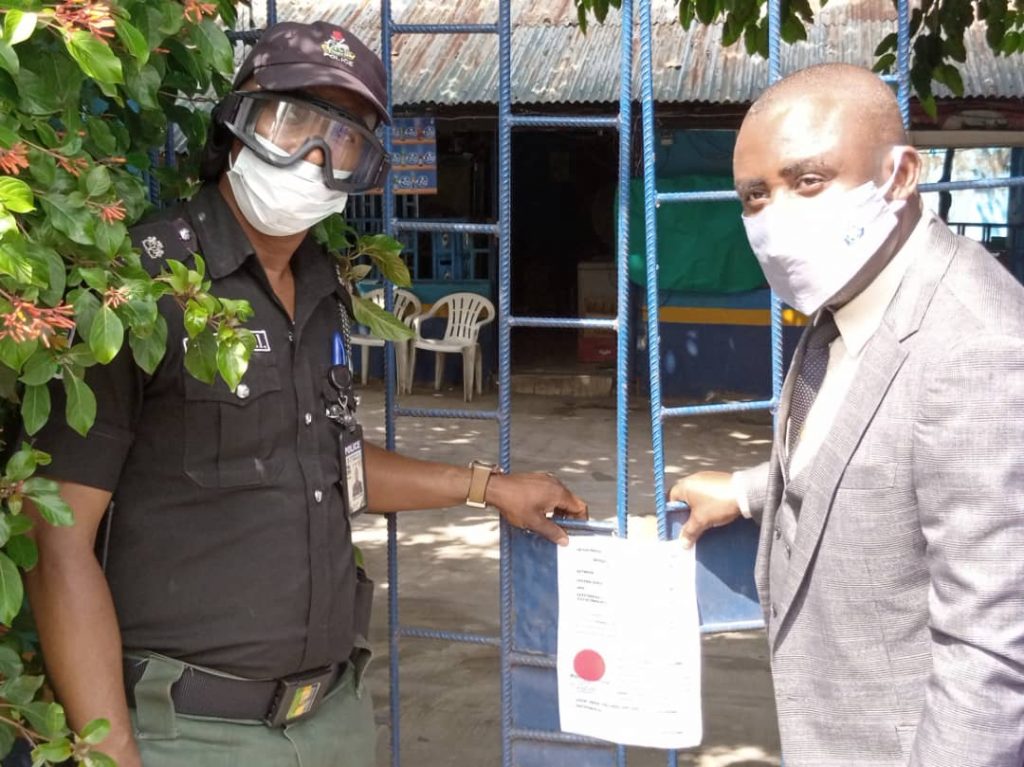
The court equally ordered for the seal up of New Yorker Nightclub and Lounge, located in Maitama District of Abuja, for allegedly operating within prohibited and curfew hours, in contravention of the COVID-19 regulation.

The court sitting at the Eagles Square presided over by Magistrate Idayat Akanni, also ordered for seal up of Agape Nightclub and lounge, Wuse II, for the period of one week.

The defualters include: Wassim Soofau and Fawaz Ali, who are Lebanese and operators of New Yorker NightClub; and Adeniran Matthew and Julius Inanemoh, staff of Agape Nightclub respectively .

The two Lebanese, however feigned ignorance of the prohibition on operations of social activities outside working hours while those of the Agape nightclub pleaded not guilty to the allegations against them.

However, the Magistrate, found them guilty and sentenced them to payment of fine in the tune N10,000 each, for conducting business and engaging in social gathering within the premises of the nightclubs, during prohibited period.

According to the judge, both the sentences and seal up orders are to serve as deterrent to others in the society.

Our reporter gathered that the defaulters found guilty, were apprehended by the FCT COVID-19 enforcement team for opening up their business and engaging in social activities within the curfew hours, which is from 10pm to 6am within the FCT.

Similarly , the Chairman of FCT Ministerial Taskforce on COVID -19, Comrade Ikharo Attah, who led his team to enforce the seal up order, said the arrests were made on Tuesday night, during a routine monitoring in the areas.

He disclosed that security personnel stormed the hotel, and discovered that activities there were in contravention of COVID-19 guidelines, thereby leading to arrests of four persons including two Lebanese.

He added that, “when my team visited, we met many people drinking in very large numbers, no face masks, no social distancing. Opening bear parlour alone is contravention. So this morning, we approached the mobile Court and the Judge ruled that the place should be sealed foe one week”

Attah, however, warned nightclubs and bear parlour operators to adhered strictly to Covid-19 protocols and that they are not allowed to open for now because of the alarming increase of new Covid-19 cases, saying, we can’t find our hands and pretend that we are not seeing anything.

Violation Of COVID-19 Protocols: FCTA Threatens To Shut GT Branches

0

TOYIN ADEBAYO, ABUJA

For allegedly operating without compliance with established safety protocol for the easing of COVID-19 lockdown, the Federal Capital Territory Administration (FCTA) has threatened to seal up some Guarantee Trust Banks in Abuja, the nation’s capital.

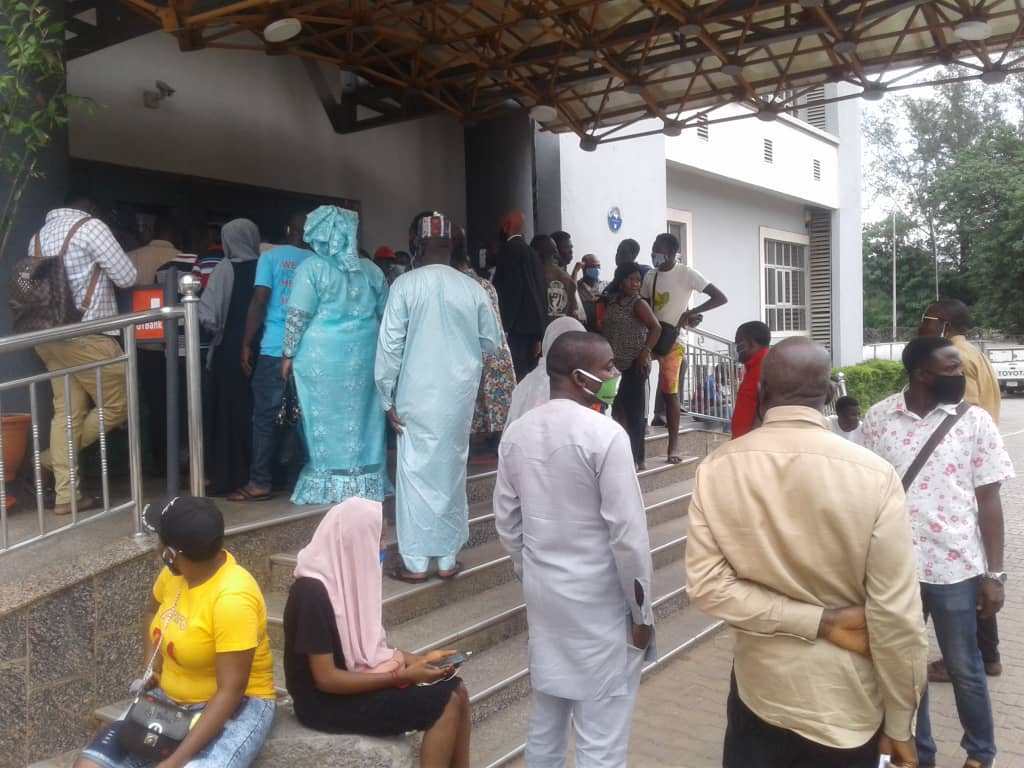
The FCTA on Tuesday issued a twenty-four hour ultimatum to the three affected branches of the bank in Area 3, 11 and Central Business District respectively, so as to enable them put the necessary COVID 19 safety measures in place for their customers.

Chairman , FCT Enforcement Team on COVID-19, Comrade Ikharo Attah issued the warning to the management of the bank in area 3 Abuja during a monitoring exercise.

He , however, lamented that the lives of customers were being endangered at the bank premises without the observance of physical distancing, canopies and chairs for their customers, called for the setting up of hand washing facilities at entry points.

Attah further stated that , ” This particular bank (GTB) is not observing Covid-19 safety protocol at all. There is only one thermometer for this large crowd.

” I have been to this particular branch for more than four times and this bank enjoys large crowd and we are happy for them.

“Not organizing for its customers to sit and wait. There was no social distancing and most of them are not even wearing facial masks. The bank should provide canopy, chairs, and hand washing points.

He continued; “We are giving them 24 hours to get all all these things in place or risk been sealed. It will not cost up to N100,000.

“Because, they should take the lives of their customers very seriously. Their customers should be treated with utmost dignity. I give them 24 hours”.

It was also observed that some customers who were seen visibly angry over what they described as poor management practices by the bank, alleged that some of the bank staff were favouring some individuals that were not on queue.

Others who decried that they have spent more than 4 hours without getting their cash, also called on the GT bank to open up their branches to avoid large crowds.

Post Covid-19 : FG Earmarks 6bn Intervention Fund for Mining Sector, Says Adegbite

0

TOYIN ADEBAYO, ABUJA

The Federal Government has earmarked the sum of N600 billion out of N2.3 trillion to be released to Federal Ministries as intervention funds to cushion the effect of the Covid-19 pandemic on the economy.

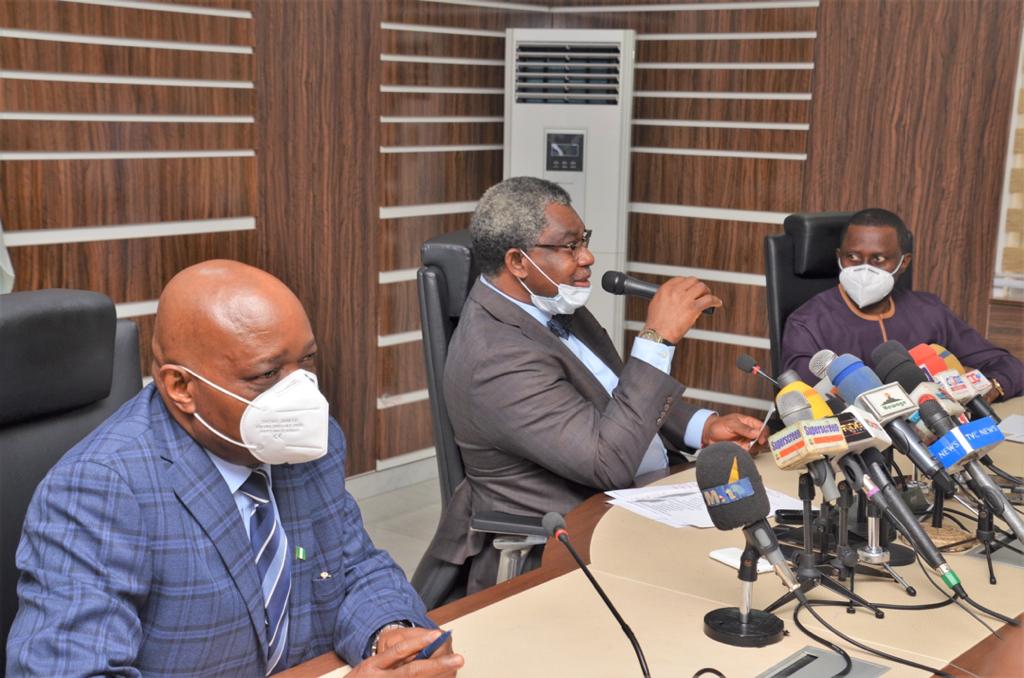
The Minister of Mines and Steel Development, Arc. Olamilenka Adegbite hinted that out of the N600 billion, the Federal Ministry of Mines and Steel Development is to get 6 billion Naira.

Speaking at an session with selected media houses in media in Abuja, Adegbite revealed that his ministry will get “just N6 billion, but our sector is also opportune to take money from the natural resources intervention funds made for the sector, which is also accessible to the water resources sector because what we requested for was more than that.”

The Minister added that , the Federal Government would not spend any money on Ajoakuta anymore, saying, that the project was making a business case

He further hinted that; “President Muhammadu Buhari has stated that the government will not spend any money on Ajoakuta again, so Ajoakuta is making a business case which has been accepted, and once it is resuscitated and producing, it can pay back its loan. So the whole essence is that they will build and operate it for a while upon agreed terms, and at the end of the term when the loan is paid with interest, the plant will be reverted back to Nigeria, and at that time, a decision will be taken on who will manage it.”

Adegbite , however, stressed that, essentially, the project on the collaboration with Ajoakuta is to build, use, operate and transfer with the Russian Government, noting: “President Buhari and President Vladimir Putin sat together at a bilateral meeting and agreed on a government-to-government cooperation to resuscitate Ajoakuta because the Russians built Ajoakuta when they were the Soviet Union in collaboration with the Ukrainians, and that is why we have gone back to them. The whole essence is for them to come here, access the plant and the job to be done, which is what we call a technical audit. The Russian Government will nominate a contractor who will do the job.”

The minister further stated that, “The funding is coming from two sources, the Russian Export Centre, which is a Russian sort of Nexim Bank. They are providing $450million for the project, while the Afrexim bank will provide $1billion. So we have a total of $1.45billion but the whole essence is that the Russian technical experts will come and do the audit which will lead to them giving us an exact figure of how much it will cost to resuscitate Ajoakuta and the National Iron Ore Mining Company (NIOMCO)-the two are tied together-and once this is done, of course there will be negotiations, a sum will be agreed and a contract will be formed and that is the basis on which we will proceed.”