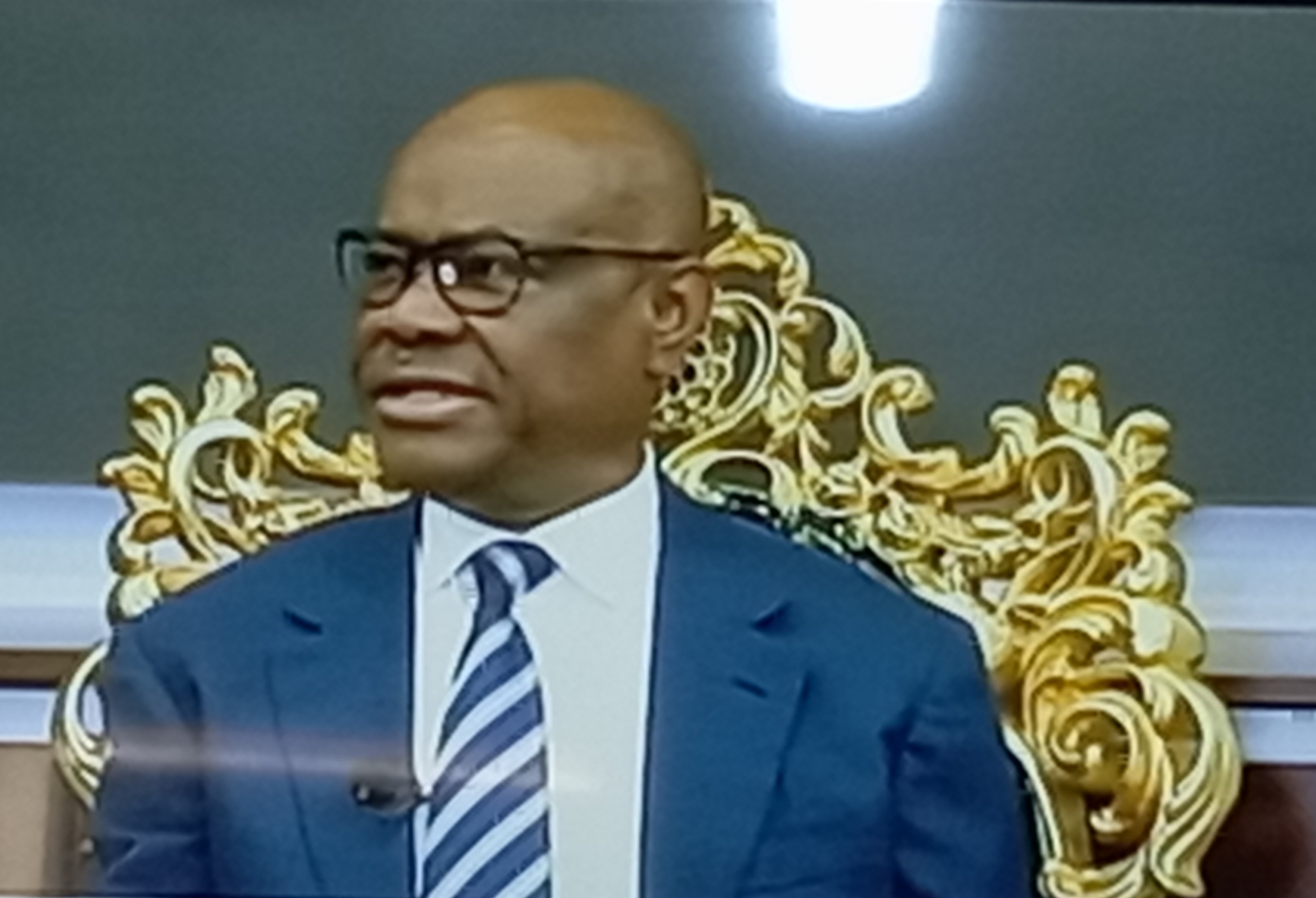
Minister of the Federal Capital Territory (FCT), Nyesom Wike, has dismissed claims that he is acting as the spokesperson for President Bola Ahmed Tinubu, insisting that his monthly media chat is strictly to update residents on developments within the nation’s capital.
Speaking during the FCT Minister’s Media Chat on Friday in Abuja, Wike said his mandate is to communicate the activities, priorities and progress of the FCT Administration, not to defend or speak on behalf of the entire Federal Government.
“Of course, I am not speaking for government,” Wike stated. “I am letting the world know what we are doing under Tinubu’s administration in the FCT. I owe a duty to inform the public about what is happening, what we are planning to do, and the projects already ongoing. That is my responsibility.”
Wike also criticised activist Omoyele Sowore’s allegation that the Presidency had stopped him from holding media engagements, describing the claim as “junk news” aimed at stirring unnecessary controversy.
“How will a president ban me from letting people know what the administration is doing, particularly as it pertains to the FCT?” he queried. “These are baseless fabrications.”
The Minister further debunked speculation that he was flown abroad for medical treatment, saying his political opponents were behind the rumour.
“We are all human beings and anybody can fall sick anytime,” he noted. “But it is unfortunate too I never fell sick to be flown abroad. These are lies you don’t need to pay attention to.”
Wike maintained that transparency remains central to his leadership approach and assured that he will continue engaging with the public through regular updates to ensure residents are fully informed of the administration’s programmes and reforms.
The Senate has renewed its push for strict compliance with Nigeria’s procurement laws, stressing that public funds must deliver visible and measurable development across the country.
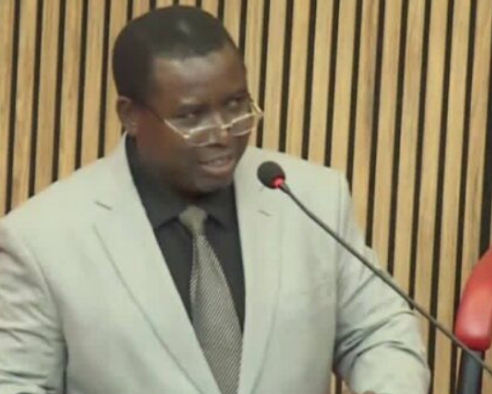
Speaking at a two-day retreat organized for members of the Senate Committee on Public Procurement in Abuja, the Committee Chairman, Sen. Olajide Ipinsagba (Ondo North), said the era of opaque and inefficient contracting must end.
“Public procurement is not merely administrative; it is where government policies become real in schools, roads, hospitals and infrastructure,” Ipinsagba stated. “It accounts for a significant proportion of national expenditure and therefore demands the highest standards of integrity, efficiency and accountability.”
He said the enactment of the Public Procurement Act 2007 and the establishment of the Bureau of Public Procurement (BPP) laid a strong foundation for reforms, but added that more decisive actions are required to align with international standards and protect public interest.
Procurement Reform as a Catalyst for Development
Ipinsagba emphasized that procurement oversight is a continuous process of adaptation and innovation to ensure transparency and value for money.
“Let us reaffirm our resolve to make Nigeria a model of procurement efficiency not just in Africa but globally,” he said. “By embracing reform, every naira spent must translate into better schools, safer roads, improved healthcare and a more prosperous nation in line with President Bola Tinubu’s Renewed Hope Agenda.”
He reaffirmed the Committee’s commitment to:
Stronger legislative oversight
Enforcement of compliance
Anti-corruption safeguards
Institutional and policy reforms
Earlier, Barrister Kelechi Kingsley, CEO of LeadBold Resource Consulting Ltd, said the retreat aimed to equip lawmakers with modern tools to strengthen accountability and safeguard public resources.
“The goal is to align Nigeria’s procurement ecosystem with global best practices ensuring value for money and advancing national development through sound governance,” she noted.
Nigeria’s new Chairman of the Independent National Electoral Commission (INEC), Prof. Joash Ojo Amupitan, SAN, on Thursday formally assumed office in Abuja, vowing to uphold integrity, transparency, and credibility in the nation’s electoral process.
Amupitan, who earlier took the oath of office before President Bola Ahmed Tinubu at the State House, described his appointment as a divine call to national service.
“I consider this a divine assignment… God has directed this step and I must obey. I am here to contribute my part to the making of a new Nigeria,” he said during the handover ceremony at INEC headquarters.
Taking over from Mrs. May Agbamuche-Mbu, who served as Acting Chairman following the departure of Prof. Mahmood Yakubu, Amupitan promised to place staff welfare, professional development and operational excellence at the heart of his leadership.
‘Our Mandate Is Sacred’
The new electoral chief affirmed that the Commission’s core responsibility remains delivering elections that reflect the will of voters.
“Our duty is simple but sacred to deliver elections that are free, fair and credible. The integrity of our process must never be compromised. Nigerians must continue to believe that their votes truly count,” he stated.
He assured that INEC would remain firm, impartial, and guided only by the law.
All Eyes on Anambra
Ahead of the November 8, 2025 Anambra Governorship Election, Amupitan acknowledged the pressure on the Commission to demonstrate readiness and earn public trust.
“The task before us is great, but together, we will overcome. The eyes of Nigerians are on us, and we must prove we deserve their confidence,” he said.
Continuity and Stability Recognized
Agbamuche-Mbu, in her remarks, hailed the new Chairman’s credentials as a scholar, administrator, and patriot, describing his assumption of duty as a “renewal of INEC’s commitment to credible polls.”
She maintained that he is stepping into leadership at a crucial time, noting that:
Four National Commissioners are currently in Anambra for a pre-election readiness assessment
INEC is consolidating on technological innovations such as BVAS and IReV introduced under Yakubu’s tenure
“The foundation is strong, and the path clearly defined. What remains is building, consolidation and forward march,” she said while handing over transition documents.
She expressed confidence that Amupitan’s leadership would “scale new heights” and strengthen democratic processes nationwide.
Surrounded by his family and senior colleagues from the University of Jos, Amupitan assured staff of a supportive environment where professionalism and accountability thrive.
“We will expect the best and we will provide the best conditions for you to deliver,” he pledged.
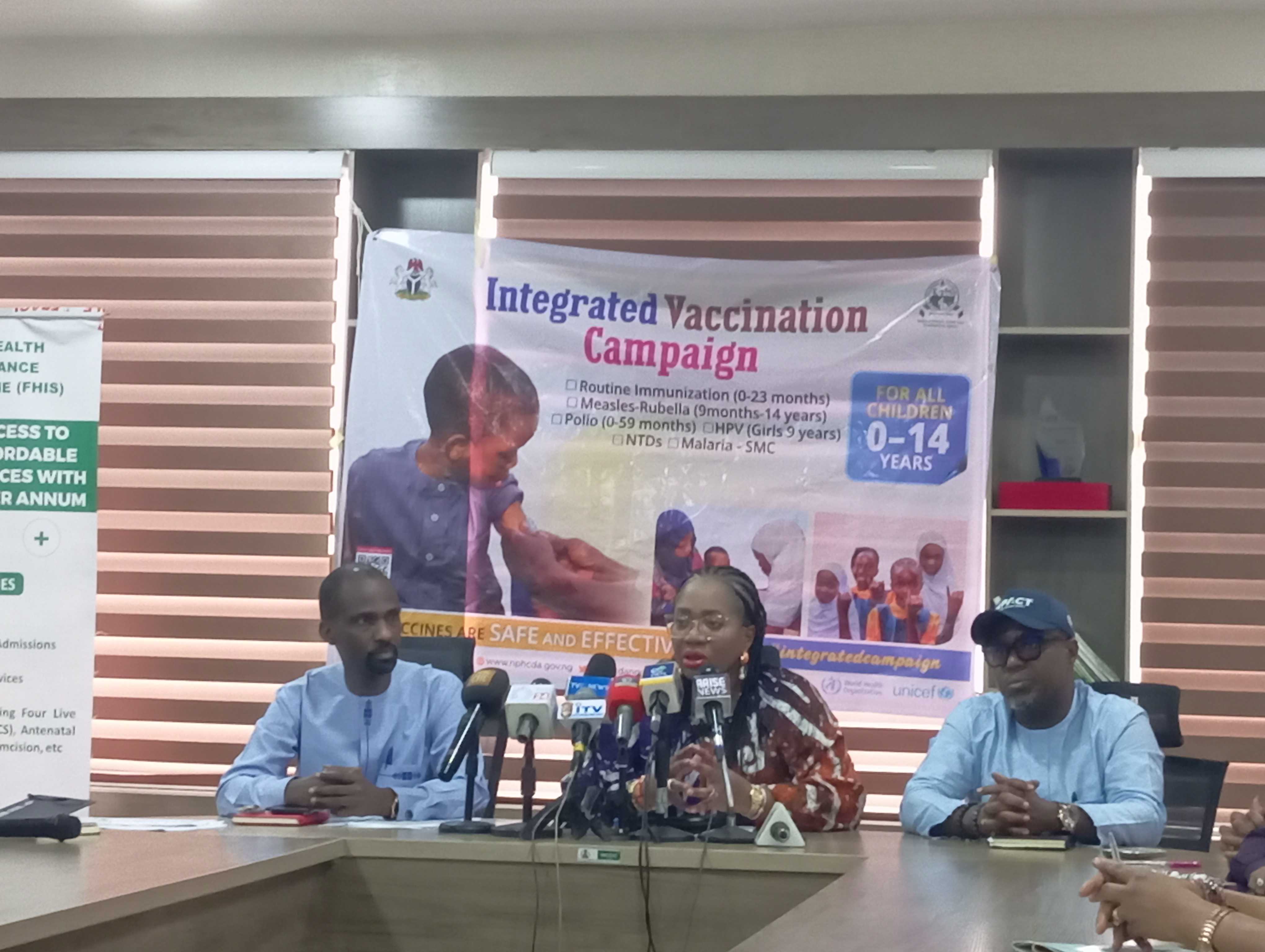
The Federal Capital Territory Administration (FCTA) has appealed to schools to grant vaccination teams full access during immunization exercises, stressing that denying children vaccines violates their fundamental rights under the Child Rights Act (CRA) 2003.
Mandate Secretary of the Health Services and Environment Secretariat (HSES), Dr. Dolapo Fasawe, who made the appeal during a press briefing in Abuja, said blocking vaccination teams puts children at risk and undermines public health investments.
“Every eligible child has a legal and moral right to be immunized. Denying vaccination is a breach of the Child Rights Act,” she said. “We are appealing to schools and parents to support this life-saving exercise.”
Fasawe encouraged school leaders, parents and caregivers to take up their shared responsibility: “Immunization saves lives. It is a collective duty and a moral obligation. No child in the FCT should be left unprotected.”
“Such actions undermine public health gains and put our children at unnecessary risk,” she said. “Every eligible child has a legal and moral right to be immunized. Denying vaccination is a breach of the Child Rights Act.”
Fasawe noted that the ongoing campaign has recorded huge success with most of the target population vaccinated, crediting collaboration between the FCTA, the National Primary Health Care Development Agency (NPHCDA), and development partners.
She added that the FCTA introduced an innovation linking vaccination with access to the FCT Health Insurance Scheme (FHIS), which supported 600 vaccination teams across the six area councils.
To address the challenge of blocked access, Fasawe said the administration has: Compiled a list of non-compliant schools, Issued letters reminding them of their obligations, Conducted community sensitization; and Finalized a mop-up exercise involving 132 vaccination teams
The FCTA has now approved mandatory immunization checks for school admission, re-admission, and transfers. Schools are also required to maintain a Child Health Register, partner nearby PHCs for on-site vaccination, and submit monthly compliance reports.
“Failure to comply will attract administrative sanctions under existing regulations,” Fasawe stated.
She commended Stella Maris School, Abuja, for setting a positive example by welcoming vaccination officers without hesitation.
Fasawe concluded by urging parents, school proprietors and administrators to embrace their legal obligation.
“Immunization saves lives. It is a collective responsibility, a legal duty, and a moral imperative. Together, we can ensure no child in the FCT is denied protection from preventable diseases,” she said.
FCT Mandate Secretary for Women Affairs, Dr. Adedayo Benjamins-Laniyi, urged communities to trust the safety of WHO-certified vaccines: “These vaccines will not kill our children. We must protect their future.”
“These vaccines will not kill our children,” she said. “We must take ownership of the future of our children and the legacy of this government by ensuring every child is protected.”
Director of Disease Control and Immunization, Dr. Rufai Garba, appealed to parents and caregivers not to endanger society through vaccine refusal: “Without vaccines, hospitals will be overwhelmed and families will face avoidable health crises and financial burdens.”
He reminded citizens that Nigeria’s decades of immunization success including the eradication of smallpox prove its effectiveness and safety.
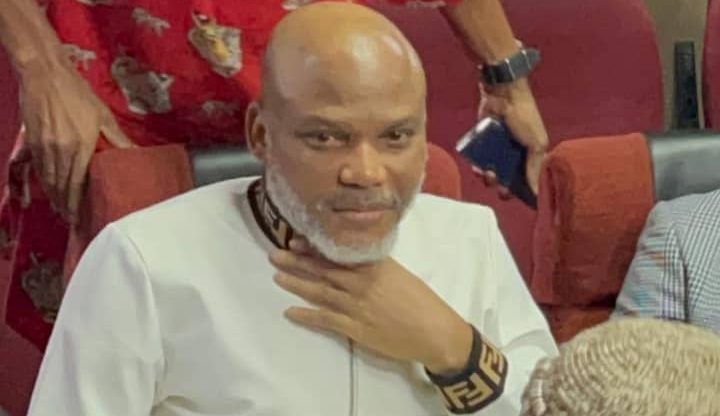
The trial of the leader of the Indigenous People of Biafra (IPOB), Mazi Nnamdi Kanu, took a dramatic turn on Thursday at the Federal High Court in Abuja as his legal team withdrew from the case.
At the resumed hearing, lead counsel Kanu Agabi (SAN) and other Senior Advocates representing the detained pro-Biafra agitator informed the court that Kanu had taken over the case from them, prompting their withdrawal from further representation.
Agabi told Justice James Omotosho that all SANs on the defence team were stepping aside based on the defendant’s decision.
Responding, Kanu told the court he would be representing himself “for now”, adding that the arrangement could change later in the ongoing trial over alleged terrorism-related offences.
When asked by Justice Omotosho whether he required a new lawyer to be assigned to him, Kanu declined.
In his oral submission, he insisted that the court lacks jurisdiction to prosecute him.
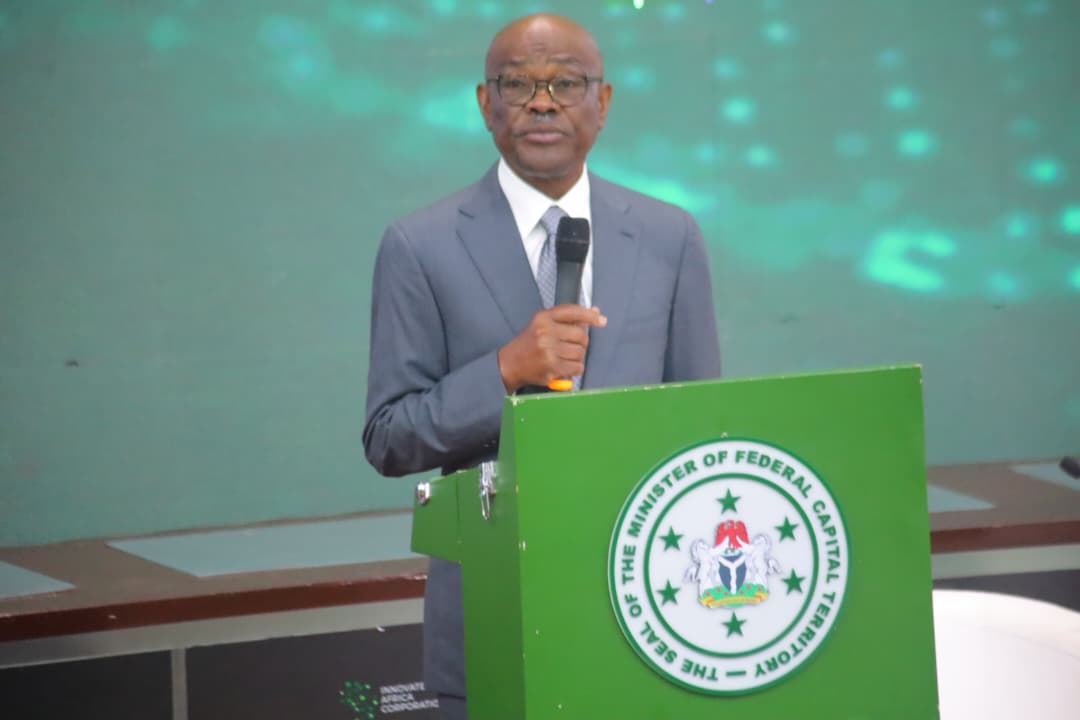
Minister of the Federal Capital Territory (FCT), Barr. Nyesom Wike, on Thursday issued a powerful call for African nations to stop depending on foreign aid and instead take full charge of their own development trajectory.
Delivering the keynote address at the 2025 Innovate Africa Conference, held at the ECOWAS Conference Hall in Abuja, Wike said Africa possesses the resources and talent needed to achieve prosperity but must embrace visionary and transformational leadership to unlock its potential.
“Africa must now rise above aid, rediscover her strength, and rebuild her institutions. Development cannot be donated; it must be built,” Wike declared. “Our future must be crafted not in the conference rooms of donor agencies, but in the creative laboratories, farms, classrooms, and workshops of Africans determined to transform their continent.”
The summit, convened by Innovate Africa Corporation, brought together African leaders, global partners, business executives, investors, academics and innovators to chart a new course for continental progress.
Wike who received the Innovate Africa Leadership Award 2025 dedicated the honour to President Bola Ahmed Tinubu and the Nigerian people, citing Abuja’s ongoing infrastructure upgrade as a testament to bold governance.
“This honour belongs not to me alone, but to the resilient people of Nigeria and especially to President Tinubu, whose bold vision has given me the platform to contribute to national transformation,” he said.
The Minister said Africa’s failure to translate its vast natural wealth and youthful population into tangible development is a consequence of “weak institutions, unemployment and leadership that focuses more on power than service.”
He stressed that leadership must be measured by results not ethnicity, religion or patronage.
“Leadership that builds, not blames; that inspires, not divides that is what Africa needs today,” he said.
Wike praised Tinubu’s early reforms particularly fuel subsidy removal and decentralisation of governance describing them as proof of leadership that “dares where others hesitate,” and is now boosting states’ revenues for grassroots development.
He further highlighted Africa’s youth over 70% under 30 as a “revolution waiting to happen” and urged massive investment in innovation, digital skills and entrepreneurship.
On economic integration, Wike hailed the African Continental Free Trade Area (AfCFTA) as the continent’s “second liberation” this time, of its economy.
“AfCFTA is our declaration that Africa will no longer remain a supplier of raw materials and a dumping ground for finished goods,” he said.
Concluding, he charged African leaders, investors and citizens to stop waiting for external rescue:
“History will not remember what we merely dreamed for Africa; it will remember what we built for Africa and we must build it now.”
Chairman of the occasion, former Presidential aspirant Mazi Sam Ohuabunwa, warned that Africa’s progress continues to be derailed by leaders who pursue power for personal gain rather than national development.
“Leadership is not for bullies or daydreamers,” he asserted. “We need leaders who deliver results for the national interest, not personal gain.”
He called for a “leadership metamorphosis” driven by innovation, accountability, strong institutions and inclusive participation particularly for youth and those with hidden potential.
Ohuabunwa said Africa must shift “from aid to partnerships” grounded in mutual benefit and long-term development priorities.
The Minister of the Federal Capital Territory (FCT), Barr. Nyesom Wike, has said President Bola Ahmed Tinubu’s bold economic reforms are already yielding results, describing them as the kind of transformational leadership Africa needs to unlock true development.
Wike stated this while delivering a keynote address at the Innovate Africa Conference on Thursday in Abuja.
He praised the removal of fuel subsidy and efforts toward decentralization, stressing that the decisions, though difficult, have significantly boosted national revenues and empowered states to invest more in development.
“We never received more than ₦500 billion for the federation in a month before. Today, states and local governments share over ₦2 trillion monthly. Why? Because of the reforms,” Wike said.
According to the Minister, transformational leadership demands courage and sacrifice, not politics driven by ethnicity, religion, or personal gain. He cited ongoing infrastructure projects in Abuja, including the Airport Metro Line which President Tinubu insisted must be revived and completed. “For major infrastructure to function transportation, commercial services it requires strong leadership. That is what we are seeing now,” Wike noted.
Wike urged Nigerians to remain patient as the reforms continue to take shape, saying the benefits will become more visible with time. He emphasized that the success of any reform also depends on collective support from citizens: “No matter how visionary and courageous a leader is, without the backing of the people, progress cannot be achieved. By the grace of God, the results are coming quickly, and Nigeria will see a new narrative.”
Earlier, the Chairman of the occasion, Mazi Sam Ohuabunwa commended Wike’s message, describing Tinubu’s policies and the FCT’s transformation as evidence of results-driven governance.
“Very inspiring and validating. We spoke earlier today about leadership capable of propelling Africa into global competitiveness. What the Honourable Minister presented is a case study ideas being moved into reality, propositions into execution,” Ohuabunwa stated.
He stressed that leadership must be judged strictly by outcomes: “We may debate styles, but the best leadership is the one that produces results. And what is happening today in the FCT shows action visible, verifiable action.”
The Minister, however, cautioned that reforms cannot succeed without patience and cooperation from Nigerians.
“No matter how strong or determined a leader is, without the support of the people, transformation will stall. Yes, it will take time for the benefits to fully manifest but by God’s grace, the results are coming quickly,” he assured.
Wike said the Tinubu administration remains committed to restoring security, boosting productivity and building infrastructure that stimulates economic growth nationwide.
He urged Nigerians to remain united behind policies designed to reposition the economy for long-term prosperity.
“We stand together to celebrate Africa’s progress towards a continent free of polio and renew our collective commitment to protecting every child,” the World Health Organization (WHO) Regional Director for Africa, Dr. Mohamed Janabi, declared in his 2025 World Polio Day message.
Marking this year’s theme End Polio: Every Child, Every Vaccine, Everywhere Janabi said the continent is closing in on the finish line in the fight against a disease once feared across Africa. He, however, warned that the final push demands unwavering commitment, adequate financing and stronger health systems.
Janabi revealed that between January and October 2025, 15 African countries vaccinated nearly 200 million children through supplementary immunization campaigns, while 13 countries mounted synchronized efforts despite insecurity and logistical challenges.
In the Horn of Africa, a major hotspot for variant poliovirus, Djibouti, Ethiopia, Kenya and Somalia jointly vaccinated more than 18 million children in just two rounds a milestone hailed as proof of the power of regional collaboration.
Across the Lake Chad Basin and the Sahel, Ministers of Health in April launched a coordinated drive to protect 83 million children living in high-risk areas and border communities.
The WHO Regional Director announced that active type 2 poliovirus outbreaks dropped from 24 countries in 2024 to 14 in 2025, representing a 54% decline in virus detection. Only two countries reported type 1 cases, while 14 reported type 2 and three recorded type 3 detections during the period under review.
“Madagascar’s declaration of the end of its circulating variant poliovirus type 1 outbreak in May is further evidence that Africa can defeat this virus wherever it appears,” he added.
Janabi attributed the progress to strengthened surveillance, regional laboratory upgrades and widespread adoption of digital innovation.
By mid-2025:11 WHO-supported labs expanded genomic sequencing capacity; 6 labs started piloting advanced techniques; Uganda’s Sanger facility earned WHO accreditation; and 98% of African countries now monitor wastewater for polioviruses
Over 850,000 frontline vaccination workers are now paid through mobile-money platforms, with 95% receiving payment within 10 days of campaigns improving transparency and efficiency in hard-to-reach areas.
Geospatial mapping tools developed by WHO’s African GIS Centre are helping teams locate and vaccinate children in previously missed nomadic and border communities.
Despite major strides, Janabi cautioned that declining routine immunization coverage, insecurity and vaccine hesitancy still threaten progress.
“To truly end polio, countries must sustain cross-border coordination, reach zero-dose children, expand surveillance and maintain high-quality outbreak response,” he said.
Ending polio, he stressed, is not only about stopping transmission but also building resilient health systems that protect future generations.
“As we observe World Polio Day 2025, let us renew our determination to reach every child, with every vaccine, everywhere and consign polio to history, forever,” Janabi urged.
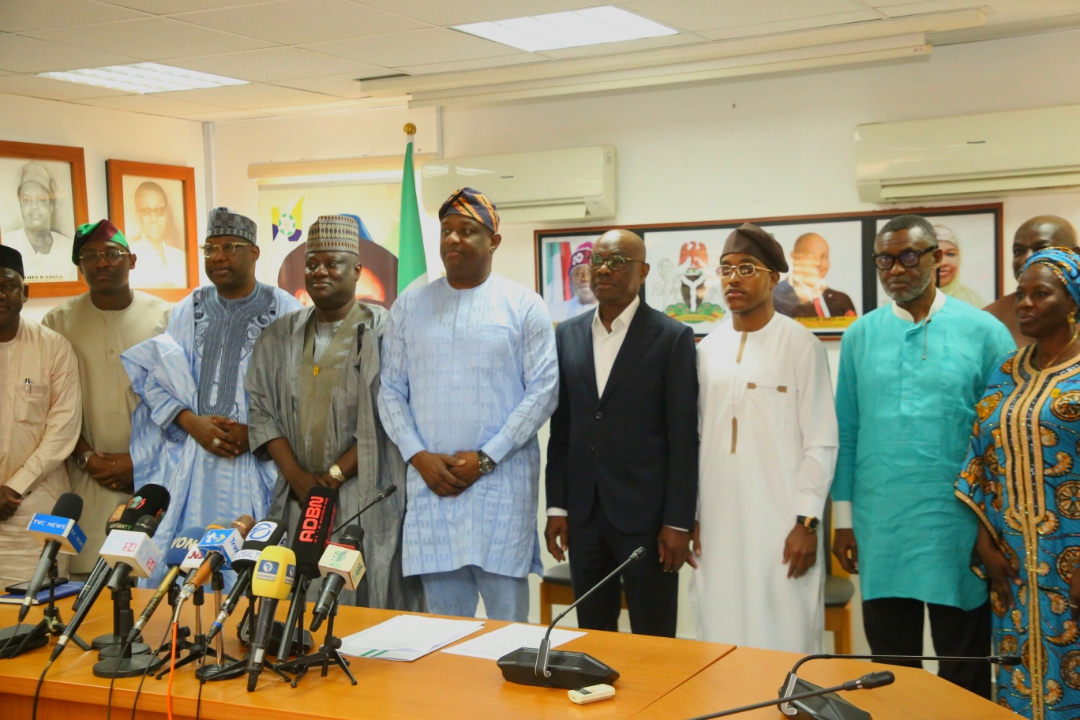
Abuja is set to make history as the Minister of the Federal Capital Territory (FCT), Nyesom Wike, has pledged full support for Nigeria’s first-ever International Airshow a landmark event designed to project the capital city onto the global aviation stage.
The Minister made this known on Wednesday when he received the Minister of Aviation and Aerospace Development, Festus Keyamo, and his team on a courtesy visit in Abuja. Wike described the forthcoming airshow, scheduled for December 2–4, 2025, as a monumental opportunity to showcase Abuja’s beauty, infrastructure, and readiness for international business and tourism.
“The FCTA will be interested to partner with you and have an official opening speech that day to officially endorse this show, which is a very, very major show in Abuja,” Wike said.
He, however, cautioned that while the FCT Administration will provide institutional support, organizers must ensure commercial responsibility and value-driven engagement.
“Everything cannot be free, free, free. That’s the problem Nigeria has. You want to advertise to the entire world, but you don’t want to pay,” Wike remarked.
To ensure the city’s full readiness, Wike directed key departments including the Transport Secretariat and Abuja Environmental Protection Board to collaborate with the Aviation Ministry on logistics, mobility, and environmental management.
“You will have to liaise with the Transport Secretariat as it requires train support and CNG buses,” the Minister said. “We’ll also help with publicity through FCT media channels and controlled use of billboards but on commercial terms.”
He assured that the FCTA had already enhanced infrastructure along the airport corridor, adding that the city will be clean, secure, and ready to welcome visitors.
“Look at the airport road down to your gate we did that road,” he said proudly. “We’ll ensure the city is cleaned up and secure before your guests arrive.”
Earlier, the Minister of Aviation and Aerospace Development, Festus Keyamo, disclosed that the airshow would coincide with a milestone celebration 100 years of aviation in Nigeria, dating back to when the first aircraft landed in 1925.
“This will be a major global event,” Keyamo stated. “Around the world, airshows are key fixtures the Farnborough, the Paris, the Dubai Airshows but Nigeria has never had one in our history.”
Keyamo revealed that the event, to be organized in collaboration with the Nigerian Air Force and private investors, would attract top global aviation brands, aircraft manufacturers, and industry players seeking opportunities in Nigeria’s emerging aerospace market.
“As part of that centenary celebration, we are partnering with a private company to drive this initiative, massively supported and aided by the Nigerian Air Force,” he said.
Highlighting Abuja’s strategic role, Keyamo stressed that the success of the event depends heavily on the FCT’s cooperation, given the expected influx of international visitors.
“We expect very distinguished guests heads of global aviation firms, foreign diplomats, and possibly President Bola Tinubu,” Keyamo disclosed. “We need your help with transportation, security, media partnership, waste management, and tourism promotion.”
He further invited the FCTA to participate as an exhibitor at the airshow, offering a complimentary stand to showcase Abuja’s modern infrastructure, investment potential, and tourism appeal.
“We’d like to partner with FCT-owned media outlets and collaborate with the Abuja Tourism Board to promote Abuja’s culture and hospitality,” he added.
The collaboration between the two ministers underscores a shared vision of transforming Abuja into a continental hub for aviation, innovation, and business tourism.
With the FCT’s backing, the Nigeria International Airshow is expected to attract the world’s attention positioning Abuja as Africa’s next destination for aviation excellence and reinforcing President Bola Ahmed Tinubu’s Renewed Hope Agenda of making the capital a world-class centre for trade, technology, and investment.
…As FCTA Hosts 2nd Abuja Business and Investment Expo
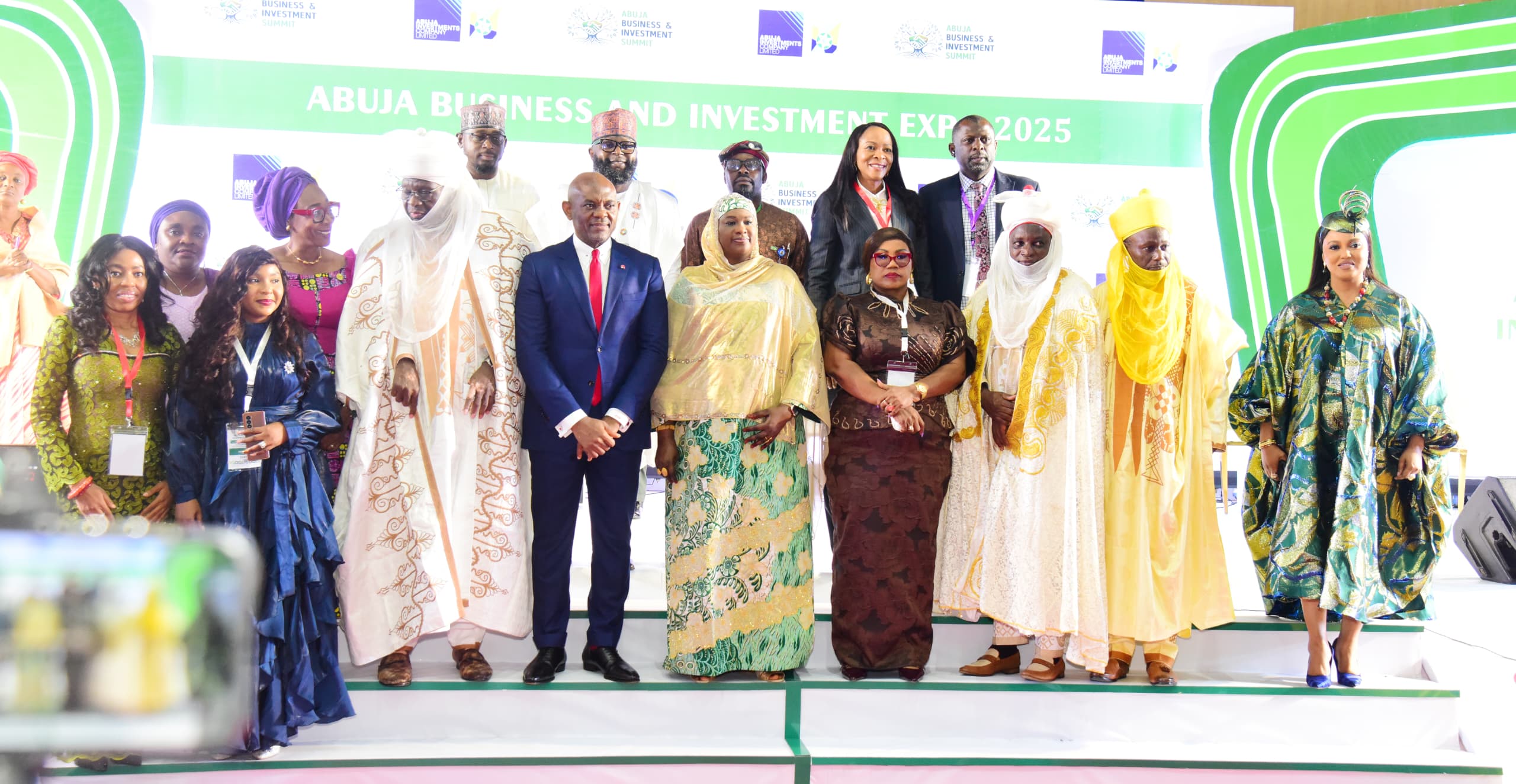
The Minister of the Federal Capital Territory (FCT), Barr. Nyesom Wike, and Chairman of Heirs Holdings, Tony Elumelu, have called on African investors to channel their wealth into local economies to drive sustainable growth and eradicate poverty across the continent.
They made the call on Wednesday at the opening ceremony of the 2nd Abuja Business and Investment Expo (ABIEXPO 2025), held at the Bola Ahmed Tinubu International Conference Centre in Abuja. The event was organized by the Federal Capital Territory Administration (FCTA) through its investment arm, the Abuja Investments Company Limited (AICL).
Represented by the FCT Minister of State, Dr. Mariya Mahmoud, Wike said the Tinubu administration is committed to transforming Abuja into a modern, investment-driven city that reflects Nigeria’s aspirations for sustainable and inclusive growth.
“As Abuja symbolizes Nigeria’s aspirations, our mission, supported by Mr. President, is to make it a safe, investment-friendly city that empowers all citizens,” he stated.
The Minister noted that the summit’s theme, “Empowering Sustainable Growth: Unlocking Potentials in Emerging Markets,” aligns with President Bola Ahmed Tinubu’s Renewed Hope Agenda, which prioritizes inclusive development, infrastructure expansion, and job creation.
Wike revealed that the FCTA is investing massively in road networks to link satellite towns, area councils, and rural communities to the city centre an effort designed to spur industrialization and unlock new economic corridors.
“The FCT Administration remains steadfast in building a sustainable, flourishing capital city and enhancing Nigeria’s position on the continental and global stage,” Wike said, commending AICL for creating a strategic platform to foster innovation, partnerships, and investment opportunities.
Delivering the keynote address, Mr. Tony Elumelu charged African investors to redirect their investments toward the continent, stressing that true transformation must come from within.
“Make your money, but please bring it home and invest locally,” Elumelu urged. “It will be a disservice to make so much and then keep the money in economies that are already developed.”
He declared that Africa’s economic future “will not be written in boardrooms in Washington or London, but right here in Africa in Nigeria, in Abuja and it will be written by Africans.”
Elumelu underscored the shared responsibility of both government and private sectors in ending poverty, warning that “poverty anywhere is a threat to all of us everywhere.”
He highlighted the success of the Tony Elumelu Foundation (TEF), which has empowered 24,000 young African entrepreneurs with $5,000 seed capital, training, and mentorship including 641 beneficiaries from the FCT.
“Our young people are the future of this continent,” he said. “Success is not just profitability; it’s about using prosperity as a tool for social transformation.”
The Group Managing Director/CEO of AICL, Ambassador Maureen Tamuno, said ABIEXPO 2025 aligns with the Renewed Hope Agenda, designed to strengthen investor confidence, stabilize the economy, and drive sustainable development.
She revealed that this year’s edition attracted delegates from South Africa, the United Kingdom, Canada, and Botswana, alongside top Nigerian investors, entrepreneurs, and policymakers.
“ABIEXPO 2025 marks the next chapter of Abuja’s transformation into a resilient, globally competitive city,” Tamuno stated.
She added that the Expo introduced dedicated Youth and Women Days to foster inclusion and connect innovators with investors in emerging markets.
The 2nd Abuja Business and Investment Expo brought together leaders from both the public and private sectors to explore strategies for accelerating economic diversification, job creation, and sustainable development in line with Nigeria’s long-term growth vision.
With the FCTA’s renewed commitment and the private sector’s growing participation, stakeholders agreed that Abuja is on track to becoming a beacon of innovation, investment, and inclusive prosperity not only for Nigeria but for Africa as a whole.