


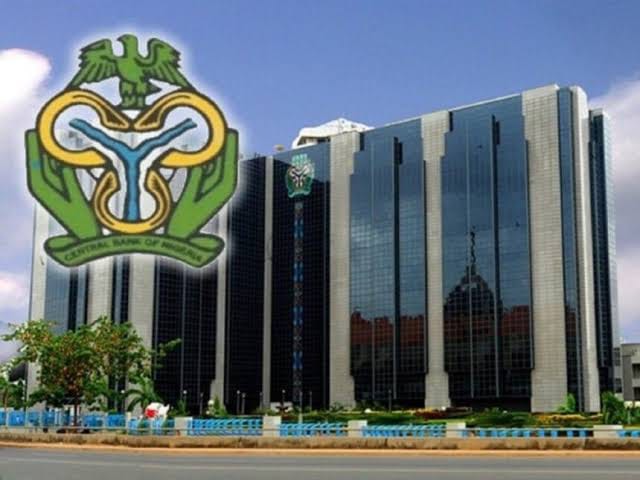
The Central Bank of Nigeria (CBN) has retained its benchmark interest rate at 23 per cent, warning that escalating conflict in the Middle East and increased spending ahead of the festive season and 2027 elections could threaten the country’s declining inflation rate.
CBN Governor, Olayemi Cardoso, announced the decision of the Monetary Policy Committee (MPC) at a briefing in Abuja on Tuesday, saying the move was aimed at consolidating the progress recorded in reducing inflation while guarding against emerging economic risks.
The decision comes after Nigeria recorded five consecutive months of declining inflation, with headline inflation falling to 14.06 per cent in October 2026 from 14.63 per cent in September.
The MPC also retained the asymmetric corridor around the Monetary Policy Rate (MPR) at +50 and -300 basis points.
It kept the Cash Reserve Requirement (CRR) for deposit money banks at 45 per cent, merchant banks at 16 per cent and non-Treasury Single Account (TSA) public sector deposits at 75 per cent.
Cardoso said the committee considered it necessary to maintain the existing monetary policy stance to sustain the disinflation process and keep inflation expectations under control.
According to him, core inflation declined to 10.78 per cent in October from 12.95 per cent in September, while food inflation moderated to 19.13 per cent from 19.59 per cent.
He attributed the improvement to sustained exchange rate stability, better transmission of monetary policy measures and increased food supply following the commencement of the harvest season.
CBN Identifies Risks to Inflation Outlook
Despite the declining inflation figures, the MPC expressed concern that escalating tensions in the Middle East could disrupt global energy markets and sustain pressure on international energy prices.
The committee warned that any significant increase in energy prices could have implications for domestic inflation and weaken the progress made in stabilising prices.
It also identified increased spending associated with end-of-year festivities and election-related activities as potential sources of inflationary pressure.
Cardoso said higher aggregate demand arising from these activities could push prices upward and complicate efforts to sustain the decline in inflation.
Explaining the committee’s position, he said members believed that maintaining the current policy stance was necessary to prevent a reversal of the gains recorded so far.
“Given the prevailing headwinds which have slowed the pace of moderation in price pressures, members were of the view that maintaining the current policy stance would further anchor inflation expectations and support the disinflation process,” he said.
He added that the MPC would continue monitoring developments and respond appropriately as economic conditions evolve.
External Reserves Rise to $54.02bn
On the external sector, Cardoso disclosed that Nigeria’s gross external reserves stood at $54.02 billion as of November 17, 2026.
The reserves, he said, provided import cover of 10.26 months for goods and services.
The CBN governor also welcomed the Memorandum of Understanding between the apex bank and the Nigerian National Petroleum Company Limited (NNPC), aimed at strengthening foreign exchange inflows, supporting energy project financing and improving macroeconomic stability.
He said effective implementation of the agreement could improve liquidity in the foreign exchange market, strengthen external reserves and boost investor confidence.
Economic Activity Maintains Expansion
Cardoso also reported continued expansion in economic activities, with the Composite Purchasing Managers’ Index (PMI) rising to 53.2 points in October from 53 points in September.
He attributed the improvement to stronger activities across the industrial, agricultural and services sectors.
Looking ahead, the CBN governor expressed optimism about Nigeria’s economic outlook for the remainder of 2026 and into 2027, citing improved crude oil production and sustained growth in agriculture, industry and services.
He, however, cautioned that the inflation outlook remained exposed to external and domestic pressures.
Cardoso said the MPC would remain data-dependent and vigilant, with further policy decisions guided by emerging economic developments.

