


Nigeria is battling a major cholera outbreak, with more than 65,000 suspected cases recorded in 35 states and about 195 Local Government Areas (LGAs) so far in 2026.
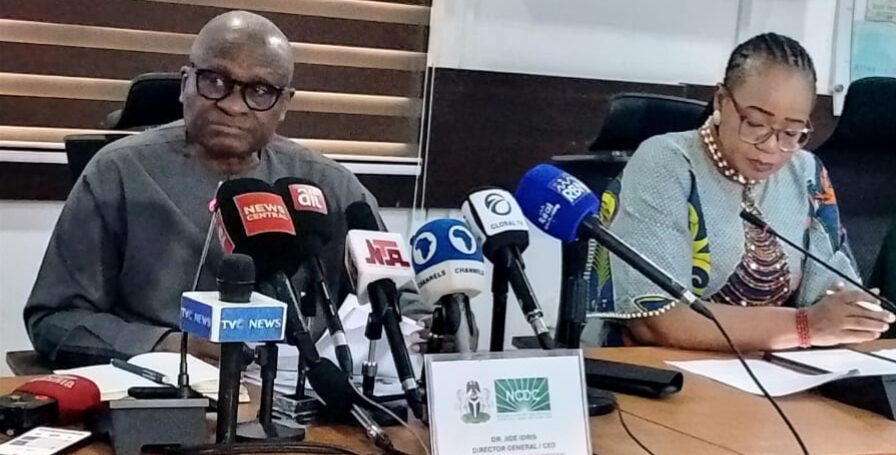
The Director-General of the Nigeria Centre for Disease Control and Prevention (NCDC), Dr Jide Idris, disclosed this on Friday while briefing journalists on the country’s response to cholera and diphtheria outbreaks.
Idris said although weekly cholera cases had dropped significantly from the peak recorded earlier in the year, transmission remained active and could worsen as the rainy season continues.
He warned that the decline in reported cases should not be mistaken for the end of the outbreak, noting that cholera transmission in Nigeria could peak between late August and October.
“Our experience in recent years shows that cholera transmission can peak between late August and October. We are also still in the rainy season, and flooding remains an important risk because it can contaminate water sources and overwhelm sanitation systems,” he said.
The NCDC boss identified unsafe water, open defecation, poor sanitation, damaged water distribution systems and inadequate hygiene facilities in schools, markets and other public places as major factors driving the spread of cholera.
He said early access to treatment had helped improve outcomes, particularly in Borno State, which recorded the highest number of cases, after treatment services were moved closer to affected communities.
However, Idris stressed that treatment alone could not defeat the disease.
“But the data are telling us something equally important: while treatment saves lives, we cannot treat our way out of cholera,” he said.
He called for sustained investment in water, sanitation and hygiene, environmental health and community behaviour change to prevent repeated outbreaks.
Diphtheria cases cross 10,000
The NCDC DG also disclosed that Nigeria had recorded more than 10,000 confirmed diphtheria cases in 2026.
He said the case fatality rate had declined considerably compared with the same period in 2025, but warned that inadequate vaccination coverage remained a major concern.
According to him, most confirmed diphtheria cases were concentrated in Kano, Borno and Bauchi states.
“The central issue is that too many children remain unvaccinated or incompletely vaccinated,” Idris said.
He identified vaccine hesitancy, insecurity, displacement, population movement and difficulty reaching remote communities as factors hindering efforts to protect vulnerable children.
Idris said the NCDC was working with state governments and development partners to strengthen surveillance and laboratory capacity, improve case management and infection prevention, engage communities and deploy National Rapid Response Teams to affected states.
He added that oral cholera vaccination had been implemented in high-burden areas, while water chlorination, rehabilitation of water sources and hygiene promotion were ongoing.
In Borno, NCDC teams had investigated possible sources of transmission and assessed water supply points, while Bauchi had established oral rehydration points, strengthened treatment capacity and intensified active case searches.
For diphtheria, reactive vaccination was ongoing in affected communities alongside the provision of treatment and laboratory supplies.
Enugu only state without reported cholera case
Idris said Enugu was currently the only state without a reported cholera case, but cautioned against interpreting the absence of reported cases as evidence that the disease could not occur there.
“Virtually all states have cholera. It may not be on an outbreak level,” he said.
He explained that some states could record isolated cases that were treated in health facilities without reaching the threshold for an outbreak declaration.
The NCDC boss said the agency was concentrating resources on states where the number of cases remained unacceptably high.
He also attributed the detection of diphtheria in more states partly to improved surveillance, which has enabled health authorities to identify cases that might previously have gone undetected.
Idris urged governments to improve access to safe water and sanitation, repair damaged water infrastructure, monitor water quality and eliminate open defecation.
He also called on states to strengthen routine immunisation and targeted vaccination, particularly in underserved and hard-to-reach communities.
The NCDC boss advised Nigerians who develop frequent watery diarrhoea, with or without vomiting, to begin oral rehydration immediately and seek medical attention at the nearest health facility.
“Do not wait until the illness becomes severe,” he warned.
He further urged parents and caregivers to ensure their children are fully vaccinated against diphtheria, stressing that vaccines are safe, effective and available free through routine immunisation services and vaccination campaigns.