


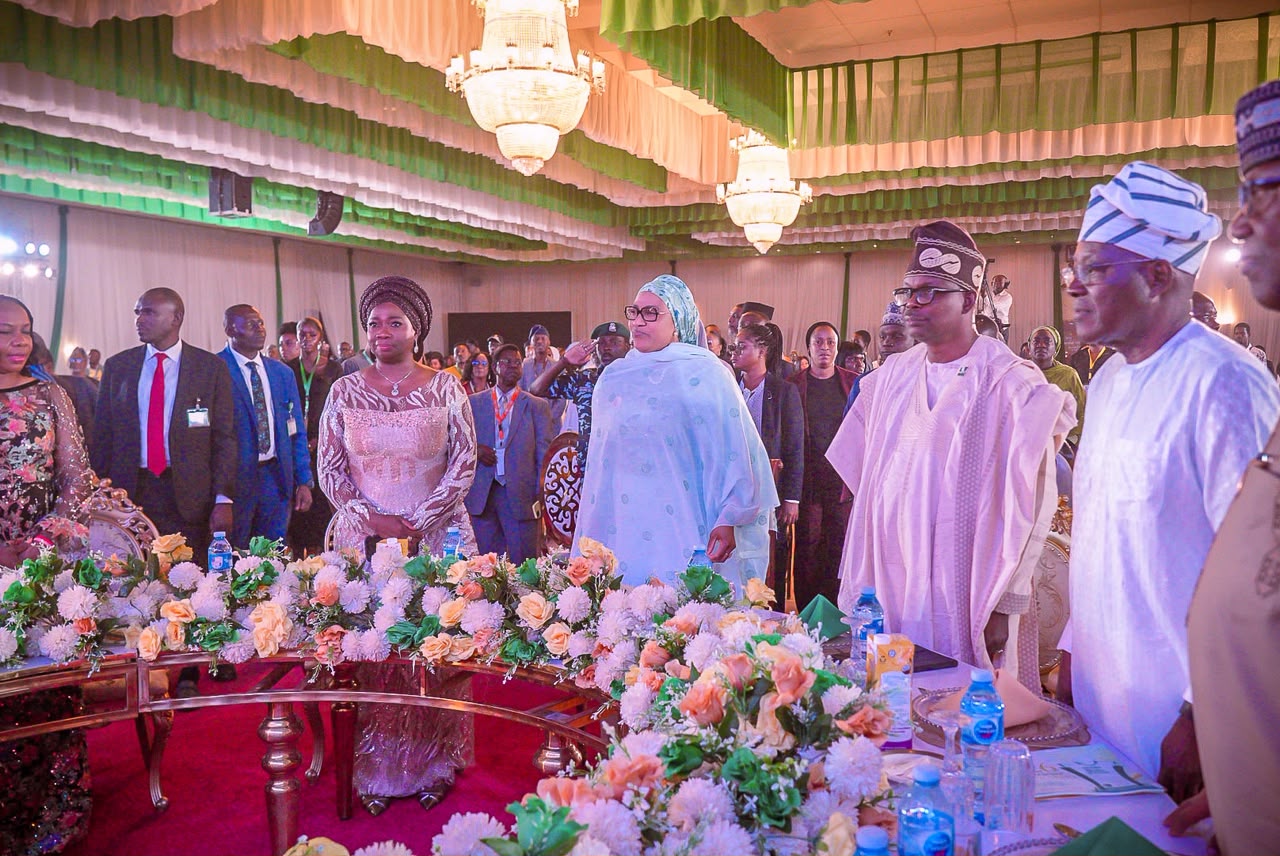
Minister of State for Health and Social Welfare, Dr. Iziaq Adekunle Salako, has revealed that Nigerian health professionals in the diaspora directly treated nearly 10,000 Nigerians and trained over 2,000 frontline healthcare workers during the 2026 Nigeria Diaspora Health Impact Initiative (NDHII).
Salako said the intervention, which covered the six geopolitical zones, demonstrated the commitment of Nigerians abroad to improving healthcare delivery and reflected growing confidence in President Bola Ahmed Tinubu’s Renewed Hope Agenda.
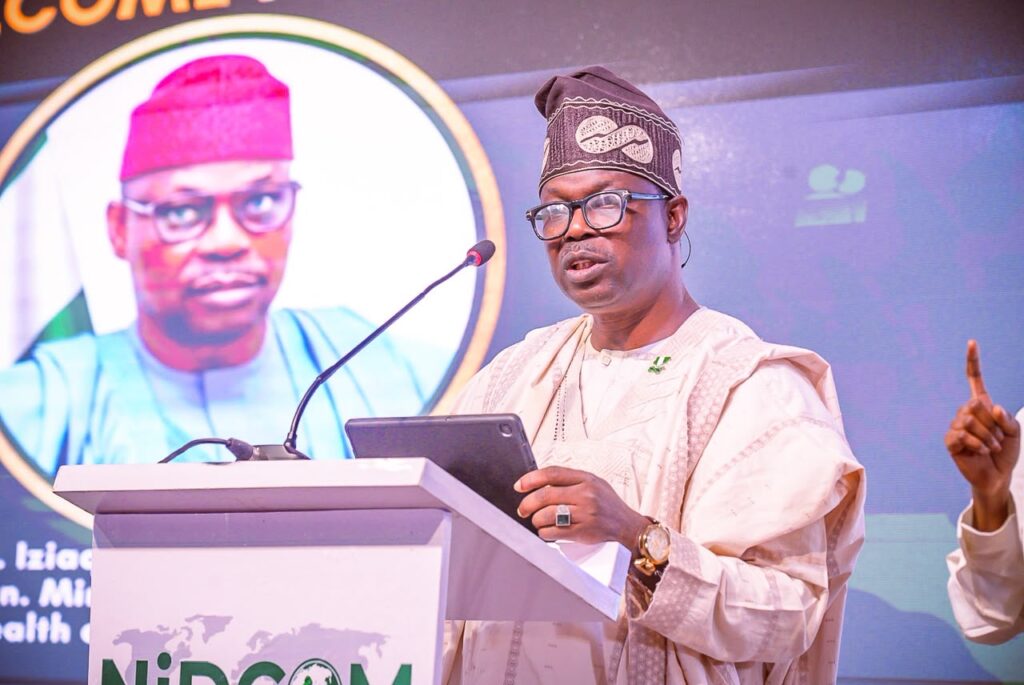
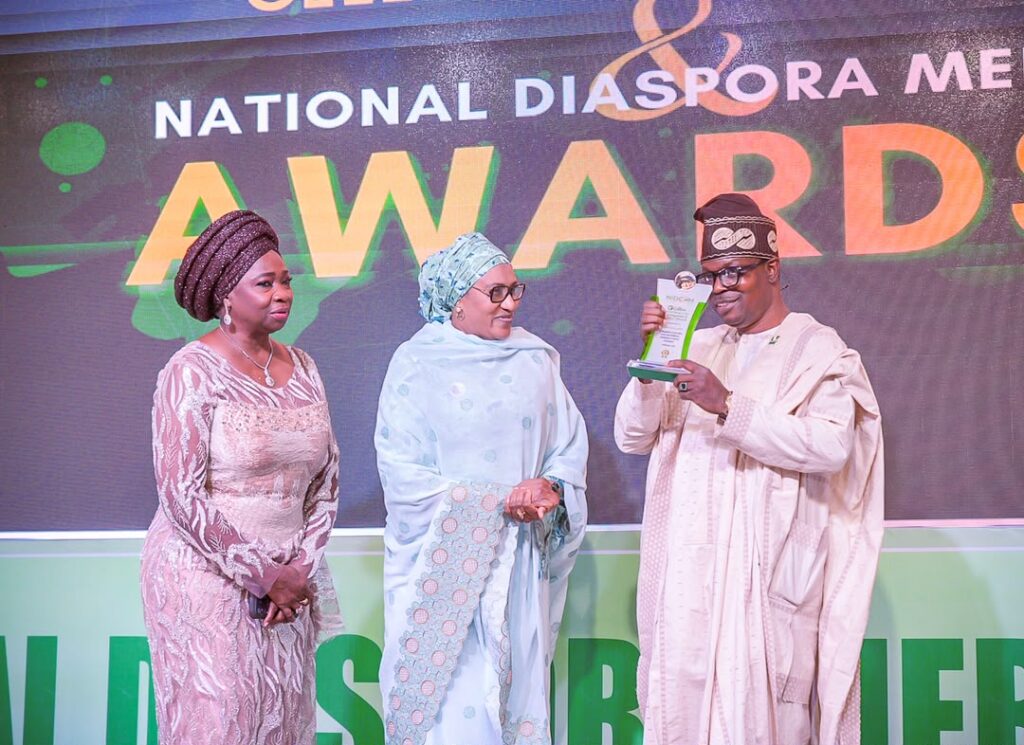
The minister spoke on Saturday at the National Diaspora Merit Award and closing ceremony of the 2026 Diaspora Health Impact Initiative held at the Banquet Hall of the State House, Abuja.
He applauded doctors, nurses, pharmacists, physiotherapists, laboratory scientists and other healthcare professionals from Canada, the United Kingdom, Germany, Australia, South Africa, the United States and other countries for returning home to provide free medical services, perform surgeries, train local professionals and mentor young health workers.

“You did not merely come home to attend a programme; you consulted, treated, operated, trained, mentored and gave freely of skills built over years abroad. That is patriotism made visible,” Salako said.
According to him, specialists from the Medical Association of Nigerians Across Great Britain (MANSAG) and the Nigerian Nurses Charitable Association UK trained more than 1,000 frontline healthcare workers in Kano, Kaduna and Sokoto on the Safer Births Bundle of Care, an evidence-based maternal healthcare model.
He disclosed that the Association of Nigerian Physicians in the Americas (ANPA) conducted over 4,000 medical consultations, carried out more than 500 surgeries and trained 350 health workers as well as 150 community responders during medical outreach missions in Enugu, Imo and Abia states.
Salako added that the Nigerian Australian Medical Doctors Association organised specialist training on ultrasound diagnosis of endometriosis in Benin City, while the Nigerian Doctors Forum South Africa performed over 70 advanced procedures in interventional radiology, neurosurgery and endoscopy at Lagos University Teaching Hospital, Lagos State University Teaching Hospital and Ikorodu General Hospital.
He further stated that the Concerned Medics Foundation screened thousands of secondary school students for sickle cell disease in Maiduguri and Gombe, while the Canadian Association of Nigerian Physicians and Dentists (CANPAD) and the Nigerian Medical Association Germany expanded telemedicine and primary healthcare services in the Federal Capital Territory and Nasarawa State.
“Across all six geopolitical zones, our diaspora healthcare family have touched close to 10,000 Nigerian lives directly and trained more than 2,000 frontline health workers, multiplying that impact for years to come,” he said.
The minister reaffirmed the Federal Government’s commitment to making it easier for diaspora professionals to contribute to Nigeria’s health sector through simplified licensing procedures, easier locum arrangements, customs and visa waivers for medical missions, and expanded investment opportunities in hospitals, diagnostic centres and pharmaceutical industries.
Salako said the Tinubu administration was changing the narrative of “brain drain” by addressing longstanding challenges confronting healthcare workers, including poor remuneration, inadequate working conditions and weak infrastructure.

He noted that the administration’s Renewed Hope Health Agenda was aimed at rebuilding the nation’s healthcare system and reducing the estimated ₦4.8 trillion lost annually to preventable diseases and medical tourism.
The minister also unveiled the Diaspora Health Registry and the Nigerians in Diaspora Advance Health Programme (NiDAH-P) Portal, describing them as platforms that would connect Nigerian health professionals abroad with healthcare needs at home.
He urged diaspora professionals to sustain their engagement through telemedicine, medical research, technology transfer, investment in healthcare infrastructure and continuous capacity building.
Salako commended the Nigerians in Diaspora Commission (NiDCOM), led by its Chairman/CEO, Hon. Abike Dabiri-Erewa, for championing the initiative, while thanking President Bola Ahmed Tinubu for supporting efforts to strengthen collaboration between Nigeria and its health professionals abroad.
He stressed that the annual programme should not end as a celebration but serve as the beginning of a stronger partnership to build a resilient healthcare system for all Nigerians.