


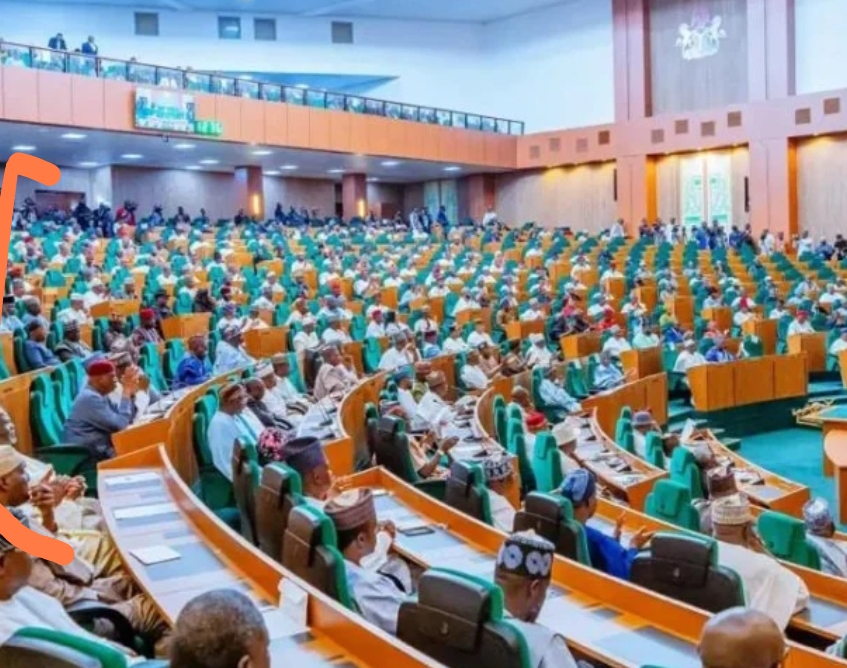
The House of Representatives has called for increased investment in disease surveillance, emergency health infrastructure and inter-agency collaboration to strengthen Nigeria’s capacity to detect and contain infectious disease outbreaks, particularly Ebola Virus Disease (EVD).
The lawmakers made the call on Tuesday during a one-day public hearing on the Ebola threat, where health sector stakeholders examined Nigeria’s preparedness, response mechanisms and institutional capacity to prevent the spread of the disease.
Declaring the hearing open, Speaker of the House, Tajudeen Abbas, represented by Edo State lawmaker, Billy Osawaru, said infectious disease threats transcended national boundaries, stressing that public health security was an important component of national security.
He said the Ebola outbreak in parts of Africa and the confirmation of an imported case in Nigeria underscored the need for constant vigilance and a coordinated national response.
“The outbreak of Ebola Virus Disease in parts of Africa and the recent confirmation of an imported case in Nigeria remind us that public health security is inseparable from national security. Our preparedness, therefore, must never be determined by the absence of an immediate threat,” Abbas said.
The Speaker noted that the Federal Government, through the Federal Ministry of Health and Social Welfare, the Nigeria Centre for Disease Control and Prevention (NCDC) and other relevant agencies, had activated emergency response mechanisms, strengthened disease surveillance and contact tracing, and intensified preventive measures.
He also identified the establishment of a Presidential Task Force and approval of emergency funding as evidence of the government’s commitment to protecting public health.
However, Abbas warned against complacency, despite the absence of established onward transmission following the evacuation of the confirmed imported case.
He recalled Nigeria’s experience during the 2014 Ebola outbreak, noting that early detection, decisive intervention and effective coordination were critical to preventing a wider public health emergency.
According to him, the public hearing was organised to assess the adequacy of the country’s preparedness and determine whether existing institutions had the legal, financial and operational capacity to respond effectively to future outbreaks.
He said lawmakers would examine the effectiveness of disease surveillance systems, availability of functional laboratories, isolation facilities and emergency response infrastructure.
The Speaker also highlighted the need to train and protect healthcare workers, strengthen screening at airports and other entry points, monitor border communities and improve coordination among relevant government agencies.
“Disease containment cannot be the responsibility of the Federal Government alone. It requires a coordinated national response in which every tier of government understands its obligations and possesses the capacity to fulfil them,” he said.
Abbas further stressed the importance of timely release and transparent utilisation of emergency health funds, as well as effective public communication to counter misinformation and prevent unnecessary panic during outbreaks.
“Nigerians deserve accurate, timely and consistent information from trusted public institutions. Public enlightenment must therefore be an integral part of our preparedness strategy,” he added.
He clarified that the hearing was not intended to create unnecessary alarm, stating that there were no active cases of Ebola Virus Disease in Nigeria at the time of his address.
The Speaker assured that the House would consider submissions and recommendations from stakeholders and pursue legislative interventions where necessary.
In his remarks, Chairman of the Joint House Committees on Infectious Diseases, Healthcare Services, Aviation and Interior, Amobi Ogah, said the lawmakers wanted a comprehensive account of measures taken by relevant authorities to contain the disease and their plans for managing future outbreaks.
Ogah said the committees were particularly concerned about the effectiveness of screening arrangements at airports and other entry points, considering the risk of infectious diseases entering the country through international travel.
He noted that the House had urged the executive arm of government to strengthen preventive measures and emergency medical arrangements following concerns over the Ebola threat.
“This public hearing is therefore intended to bring critical stakeholders to the forefront of containment measures against the Ebola virus in Nigeria, and to inform Nigerians what they have done and what they intend doing to keep Nigerians safe from the Ebola virus outbreak,” he said.
The Director-General of the NCDC, Dr Olajide Idris, called for sustained legislative support for disease surveillance, prevention and control.
He commended the establishment of the Presidential Task Force and the prompt response of relevant stakeholders during the recent outbreak.
Similarly, the Controller-General of the Nigerian Correctional Service, Sylvester Ndidi Nwakuche, assured the lawmakers of the service’s readiness to collaborate with relevant agencies to prevent and contain the spread of Ebola.
His participation highlighted the importance of extending disease prevention measures to correctional facilities, where overcrowding and close contact could complicate efforts to manage infectious disease outbreaks.
Stakeholders at the hearing commended the House and the Federal Government for their response to the Ebola threat but emphasised that emergency interventions must be supported by sustained investment in public health infrastructure and institutional capacity.
They also highlighted lessons from Nigeria’s 2014 Ebola experience, when the rapid identification of the index case, contact tracing and coordinated public health interventions helped prevent a wider outbreak.
The lawmakers said the priority was to ensure that agencies responsible for protecting public health were adequately funded, properly equipped and capable of responding promptly before an imported infection escalated into a wider emergency.

