


Livestock experts and industry stakeholders have called for practical, well-funded and evidence-based reforms to boost productivity in Nigeria’s livestock sector ahead of the second National Council on Livestock Development scheduled to hold in Lagos.
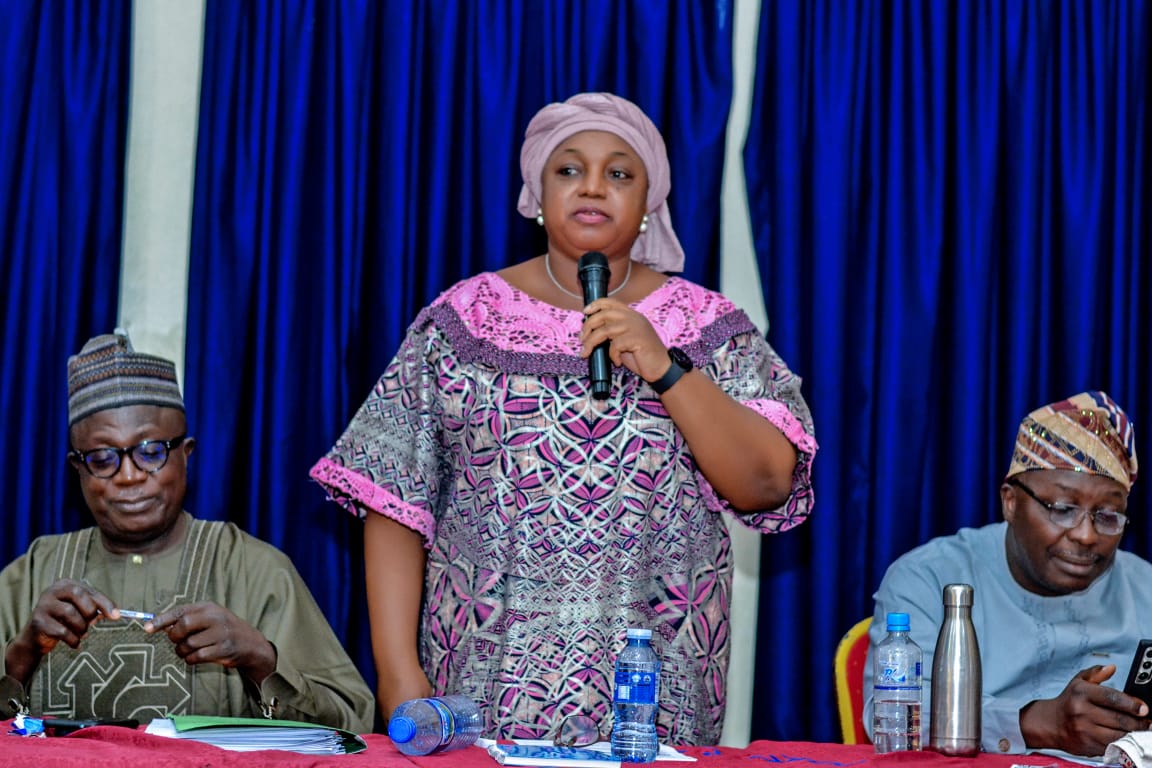
The call was made at a technical meeting convened by the Federal Ministry of Livestock Development in Akwanga, Nasarawa State, with support from Propcom+, to review policy memoranda and develop actionable recommendations for consideration at the National Council.
The meeting brought together veterinary professionals, researchers, regulators, representatives of professional associations, academia and private sector operators to strengthen technical inputs and ensure that proposed policies are realistic and implementable.
Speaking at the meeting, the Chief Veterinary Officer of Nigeria and Chairman of the National Livestock Development Committee, Dr Samuel Anzaku, said recommendations must be subjected to rigorous assessment based on available evidence, feasibility, preventive impact and funding requirements.
He urged participants to critically examine proposals and prioritise interventions that relevant institutions and state governments could effectively implement, rather than merely producing policy documents.
“Our value to the Council lies in the quality of judgment, not the speed of our work. A committee that convenes and approves everything placed before it has added nothing to the process,” he said.
Anzaku encouraged constructive disagreements, stressing that objective criticism was necessary to improve the quality of recommendations and ensure meaningful outcomes.
The Country Representative and Team Lead of Propcom+, Dr Adiya Ode, congratulated the Ministry on the successful inaugural meeting of the National Livestock Development Committee and reaffirmed her organisation’s commitment to supporting initiatives that improve livestock productivity in Nigeria.
She said several of the policy memoranda under consideration had the potential to significantly transform the sector if approved and properly implemented.
However, Ode cautioned against making commitments without considering available resources, urging stakeholders to concentrate on priority interventions that could be adequately funded and sustained.
“We can aspire to do everything and not do anything, or we can aspire to do the few things that our resources will take us through,” she said.
Other stakeholders at the meeting highlighted the need for stronger collaboration, improved veterinary infrastructure, effective disease surveillance, professional standards, workforce development and sustainable livestock production.
They also stressed that the success of the Ministry’s reform agenda would depend largely on translating policy decisions into measurable results through effective monitoring, coordination and implementation.
The recommendations from the technical meeting are expected to guide deliberations at the second National Council on Livestock Development scheduled for November 25 and 26, 2026, in Lagos.

