


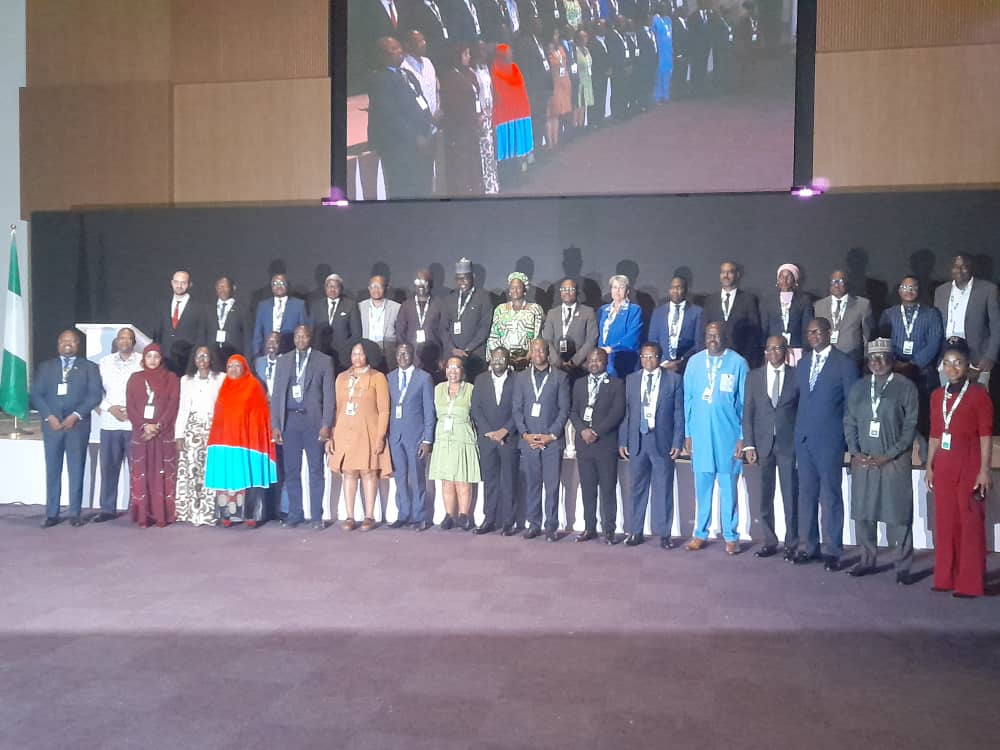
ABUJA — The Nigerian Communications Commission (NCC) has called for stronger and more structured collaboration among African telecoms regulators to address shared challenges in the rapidly evolving communications sector.
Executive Vice Chairman/CEO of the NCC, Dr. Aminu Maida, made the call on Tuesday in Abuja at the African Heads of Regulators Roundtable, stressing the need to move beyond informal exchanges to systematic peer learning.
“The conversation between regulators rarely remains casual for long. Five minutes later, we are discussing investment, infrastructure resilience, cyber security, affordability or artificial intelligence,” Maida said.
He noted that while African regulators operate under different market conditions and legal frameworks, they face similar issues, making collaboration critical.
The event, themed “Building Africa’s Network Intelligence Ecosystem for Evidence-Based Regulation,” brought together regulators across the continent to deepen cooperation and improve decision-making.
Maida emphasised that many regulatory challenges have already been addressed elsewhere in Africa, raising the need for a structured system to share solutions.
“The question really is: how do we make that exchange of experience more deliberate, more systematic, and more useful to our institutions?” he asked.
Also speaking, NCC Executive Commissioner for Stakeholder Management, Mrs. Rimini Makama, urged regulators to focus on using data to drive smarter, more transparent, and consumer-focused decisions.
“The old regulatory approaches were built for a simpler time. They are no longer enough,” she said, pointing to emerging technologies such as artificial intelligence, satellite services, and cloud computing reshaping the sector.
Makama revealed that the NCC has developed a regulatory intelligence platform that integrates quality of service data, consumer complaints, compliance analytics, and market insights to support evidence-based decisions.
She also called for the creation of a continental platform for regulators to share data and insights, noting that collaboration would enhance transparency and improve outcomes for consumers.
“The challenge is not collecting data. The challenge is turning it into better decisions,” she added.
In his remarks, Director General of the Regional African Satellite Communications Organisation (RASCOM), Adi Timothy Ashong, called for increased investment in both terrestrial and satellite infrastructure to improve connectivity across Africa.
“It requires collective effort. We cannot rely on only one connectivity solution,” Ashong said, stressing the importance of satellite technology in bridging connectivity gaps, especially in border and remote areas.
He commended Nigeria’s real-time monitoring systems for fibre cuts, describing them as transparent and effective, and urged other African countries to adopt similar approaches.
The roundtable is expected to drive deeper collaboration among African regulators and promote a more coordinated approach to telecoms regulation across the continent.