



Nursing students have been urged to strengthen their practical life-saving abilities to improve emergency response and boost patient survival rates, as healthcare experts emphasised that Basic Life Support (BLS) remains a core requirement in modern nursing practice.
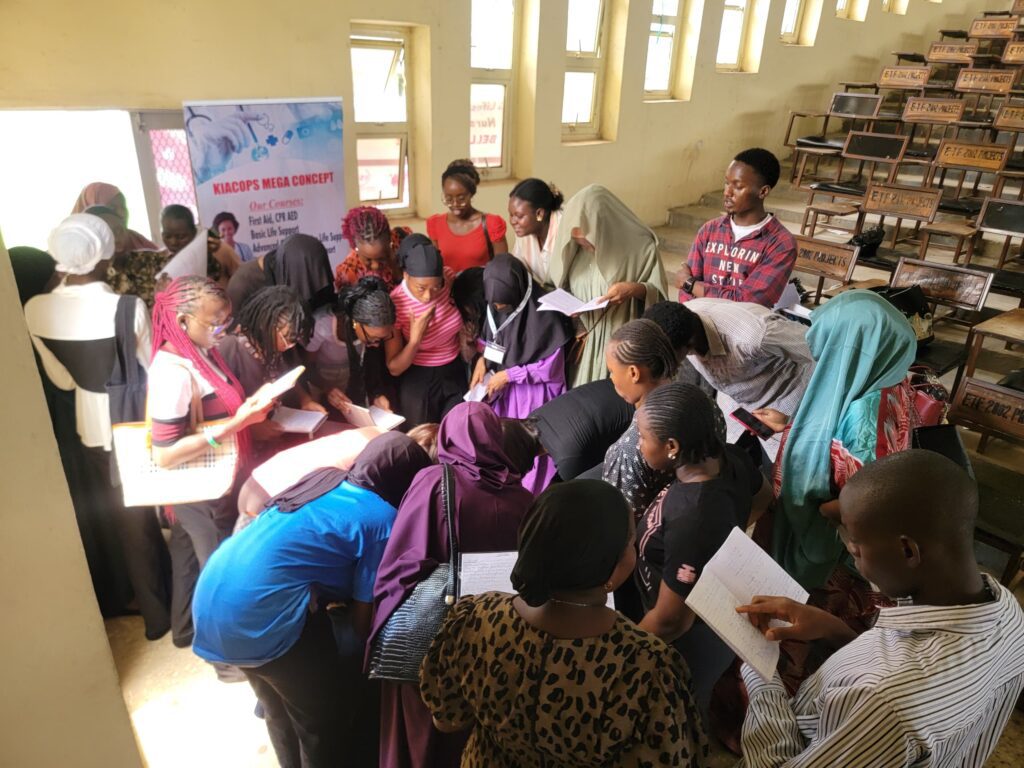
The call was made at a two-day training on Basic Life Support and Electrocardiography (ECG) held at the University of Abuja Mini Campus, Gwagwalada,organised to bridge the gap between classroom learning and real-life clinical emergencies.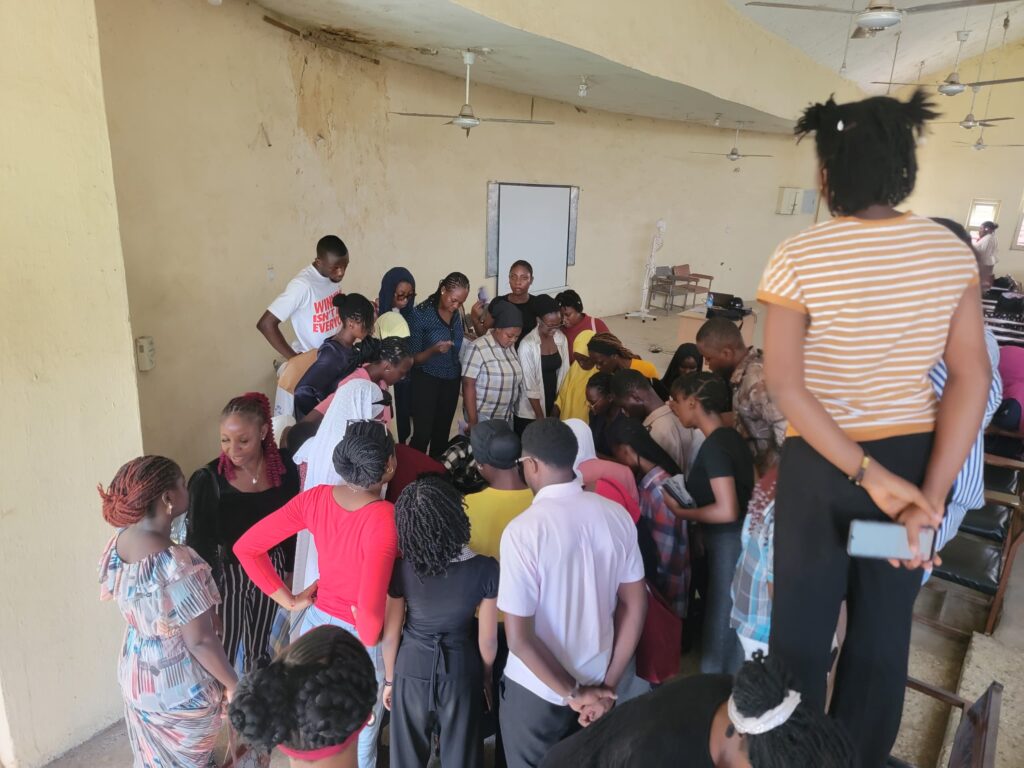
Chief Executive Officer of Kiacops Mega Concept Initiative and BLS instructor, Mrs. Modupe Olufisoye, said the programme was designed to equip nursing students with hands-on skills needed to respond swiftly and effectively during medical emergencies.
According to her, early intervention in critical situations such as cardiac arrest often determines whether a patient survives or not, stressing that healthcare workers must be adequately trained to act within the “golden minutes” of emergencies.
“Basic Life Support is the first line of intervention in cardiac arrest and other life-threatening situations. Proper training is essential to save lives and reduce complications,” she said.
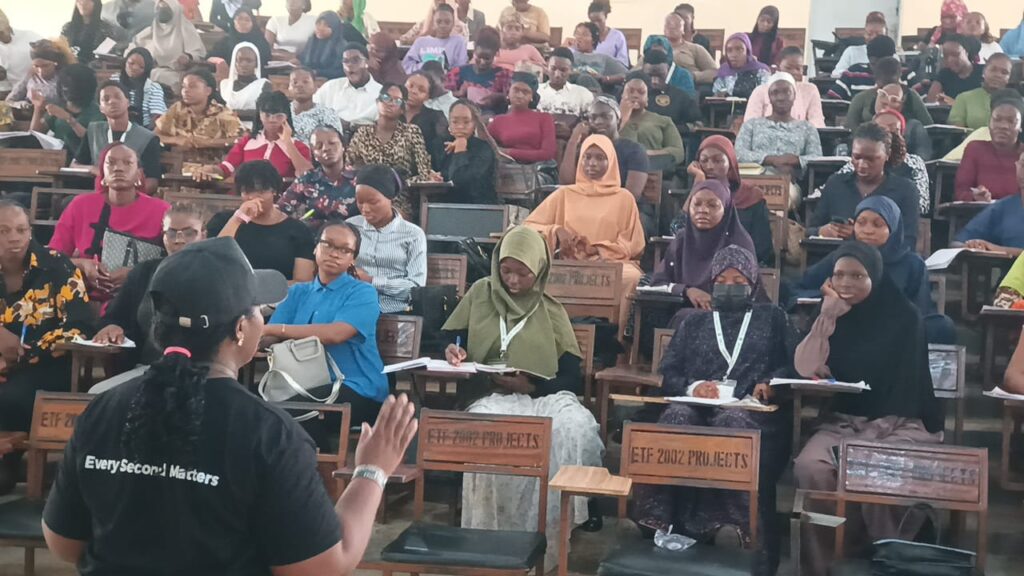
Olufisoye explained that the training combined theoretical knowledge with practical simulations to prepare students for real hospital situations where quick and accurate decisions are required.
Declaring the programme open, the Head of the Nursing Department, University of Abuja, Dr. Aisha Ohieku, described BLS as an indispensable aspect of nursing, warning that errors in emergency care could lead to avoidable loss of lives.
She urged the students to take the training seriously, noting that professionalism in nursing demands competence, precision and readiness at all times.
“Basic Life Support is not optional; it is fundamental. Every nurse must be equipped to respond effectively in emergencies,” she said.
Participants at the training expressed appreciation for the initiative, describing it as timely and highly beneficial to their professional growth.
They said the hands-on sessions had improved their confidence and understanding of emergency procedures, particularly in cardiopulmonary resuscitation (CPR), patient assessment and ECG usage.
The programme also featured simulation exercises where students were exposed to real-life emergency scenarios, including first-response actions and critical patient management techniques.
Organisers said the initiative was aimed at strengthening the capacity of future nurses to deliver life-saving interventions and ultimately improve healthcare outcomes in Nigeria.
At the end of the training, participants were expected to demonstrate improved competence in emergency care, a development stakeholders believe will enhance patient survival and strengthen the country’s healthcare system.