


Urges Early Testing, Proper Treatment, Zero Stigma
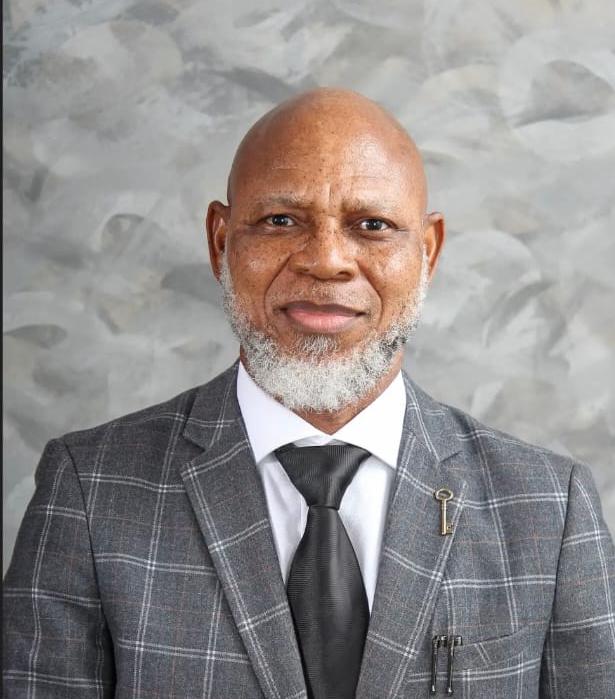
People with weakened immune systems are more vulnerable to tuberculosis (TB) and could develop active disease after infection, a South Africa-based Nigerian medical expert, Dr Oluwatosin Ademola Ojo, has warned.
Ojo, popularly known as DATO, gave the warning while featuring on the weekly health programme of African Portal Radio/TV with Dare Olusan, monitored by the Daily Independent in Ibadan.
He urged Nigerians to take preventive measures seriously, undergo early testing when symptoms occur and adhere strictly to prescribed treatment to curb the spread of the disease.
According to him, tuberculosis is an infectious disease caused by Mycobacterium tuberculosis, a bacterium that primarily affects the lungs but can also attack other parts of the body.
The medical expert explained that TB spreads through the air when an infected person coughs, sneezes, speaks or spits, noting that prolonged close contact with an infectious person increases the risk of transmission.
Ojo said people with compromised immune systems were particularly vulnerable to progressing from TB infection to active disease.
He identified HIV infection, malnutrition, diabetes and tobacco use among the major factors that can increase the risk of TB.
He therefore advised Nigerians to seek medical attention promptly if they experience symptoms including a persistent cough lasting more than two weeks, chest pain, unexplained weight loss, weakness, fever and night sweats.
Beyond medical treatment, Ojo called on families and communities to stop stigmatising people diagnosed with TB, urging them instead to provide the support needed to help patients access and complete treatment.
“Tuberculosis is preventable and curable. People diagnosed with the disease must take their prescribed medicines exactly as directed by qualified healthcare professionals,” he said.
He warned against self-medication and stopping TB drugs before completing the prescribed course, explaining that inappropriate or incomplete treatment could result in drug-resistant tuberculosis, which is more difficult and expensive to treat.
Ojo called for sustained public education on TB, stressing that early diagnosis, proper medical care, adherence to treatment and community support were essential to helping patients recover and preventing further transmission.
He also urged individuals with symptoms suggestive of TB to avoid delaying medical attention, saying early intervention could protect both the patient and the wider community.