


…Bolt, inDrive, local operators eye bigger share as commuters demand cheaper, safer rides
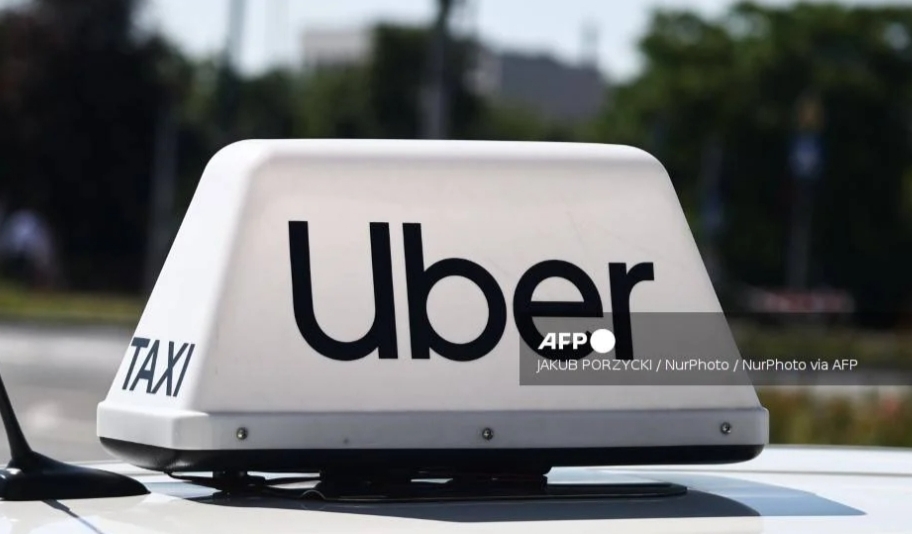
Uber’s exit from Nigeria has triggered fresh competition in the country’s ride-hailing market, with operators scrambling to attract passengers and drivers through improved services, affordable fares and stronger safety measures.
The global ride-hailing company discontinued its operations in Nigeria on September 2, 2026, after 12 years in the market, creating fresh opportunities for existing and emerging platforms to expand their customer base.
The development has also renewed attention on the cost of app-based transportation, passenger safety, service reliability and the welfare of drivers as commuters explore alternative mobility options.
Ride-hailing services have become an important part of urban transportation, particularly in major cities where passengers rely on digital platforms for convenient journeys and access to transport beyond conventional public transport hours.
A 2025 Ride-Hailing Safety Index Report by Ipsos, commissioned by Bolt, found that 81 per cent of surveyed Nigerian passengers considered ride-hailing safer than other forms of transportation.
The survey, which covered Lagos, Abuja, Port Harcourt and Ibadan, also revealed that 96 per cent of respondents used ride-hailing services when public transport felt unsafe.
The findings underscore the importance of safety and passenger confidence in determining the competitiveness of operators.
Onadipe Oluwafemi David, founder of Nigerian ride-hailing platform Ona, said the next phase of competition would depend on how effectively operators addressed the needs of both passengers and drivers.
He said commuters wanted reliable services, while drivers needed operating conditions that made participation financially worthwhile.
According to him, platforms that strike a balance between passenger satisfaction and driver welfare would be better positioned to compete in the long term.
Despite Uber’s departure, operators such as Bolt and inDrive remain active in Nigeria, alongside local platforms seeking to strengthen their presence.
Their ability to retain existing customers and attract new ones will depend largely on fares, waiting times, driver verification and the quality of customer support.
For drivers, however, rising fuel prices, vehicle maintenance expenses and platform commissions remain major concerns affecting the profitability of their operations.
Industry operators face the challenge of keeping fares competitive without reducing driver earnings to unsustainable levels, which could affect service availability and discourage drivers from remaining on the platforms.
Safety infrastructure is also becoming a major factor in the competition, with identity verification, trip monitoring, emergency response systems and transparent driver information increasingly important to passengers.
As the market adjusts to Uber’s exit, competition is expected to shift beyond the number of available platforms to the quality, affordability and sustainability of their services.
The challenge for operators will be to accommodate the demand left behind by Uber while building the confidence of commuters and ensuring that drivers can earn a sustainable livelihood.

