


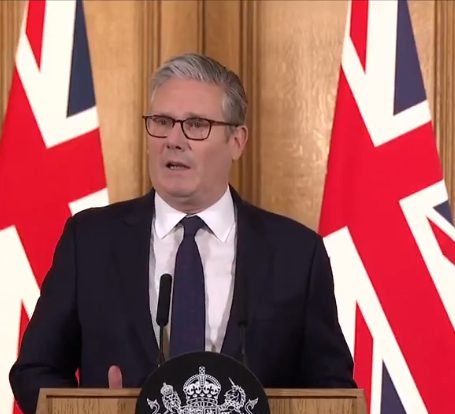
UK Prime Minister Sir Keir Starmer has announced plans to ban social media access for children under the age of 16, in what the government describes as a move to address online harms affecting young people.
The policy was unveiled on Monday during a press conference at Downing Street, where Starmer said the measure is aimed at protecting children’s safety and wellbeing online.
According to details released by the government, social media platforms will be prohibited from offering services to users under 16. The restriction is expected to apply to major platforms, including TikTok, Instagram, Snapchat, Facebook, and X.
The proposed regulation is expected to be passed before the end of 2026, with implementation targeted for spring 2027.
In addition to the ban, the government outlined further measures designed to limit exposure to harmful online features. These include restrictions on livestreaming, disappearing messages, and interactions between minors and adult strangers on gaming platforms. The policy also includes provisions addressing risks linked to artificial intelligence tools and explicit content.
Authorities said the enforcement framework will require technology companies to implement robust age verification systems. Compliance obligations are expected to build on existing provisions under the UK’s Online Safety Act.
Starmer stated that the government is prioritising the safety and wellbeing of children, citing concerns about exposure to harmful content and its potential impact on mental health.
The announcement follows a nationwide consultation, which the government said showed that a majority of parents support stricter controls on children’s access to social media platforms.
Officials also indicated that the policy draws on similar measures introduced in Australia in December 2025.
The proposal has received mixed reactions. While some child safety groups and parents have expressed support, others, including representatives from the technology sector and free speech advocates, have raised concerns about enforcement and broader implications.
Questions have also been raised regarding how the policy will apply to educational uses of online platforms and whether restrictions can be effectively implemented.
The government is expected to release further details on the scope of platforms covered and the mechanisms for enforcement in the coming weeks.
The proposal marks a significant policy shift in the UK’s approach to online regulation, with further legislative steps expected ahead of its planned rollout.