


Cite economic hardship, insecurity, brain drain
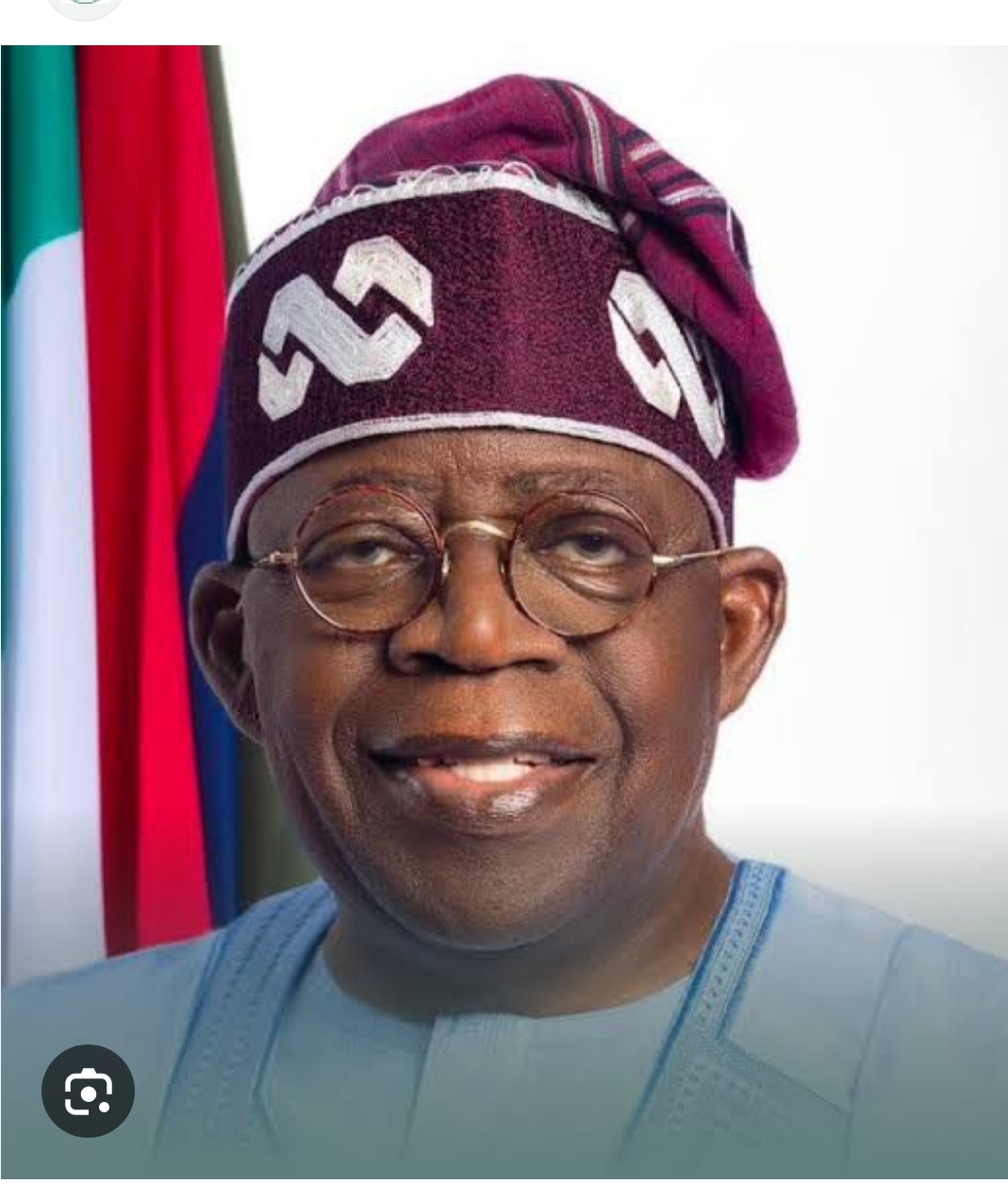
More than 1,000 Islamic clerics have called on President Bola Ahmed Tinubu to reconsider his reported bid for a second term in the 2027 presidential election, citing economic hardship, insecurity, unemployment and the continued migration of skilled Nigerian professionals.
The clerics made the demand in a communique issued at the end of a national conference titled, “An Assessment of the State of the Nation under President Tinubu and the 2027 General Elections,” held in Kano State on Sunday.
The conference was organised under the platform of Ko Da Naka – For the Struggle to Promote Good Governance and Community Development, in collaboration with AFAQ Educational Foundation.
The participants expressed dissatisfaction with the direction of the Tinubu administration, particularly its economic policies, which they alleged had increased the burden on ordinary Nigerians.
They specifically criticised the removal of the petrol subsidy, changes to the naira exchange-rate system, increases in electricity tariffs and tax reforms.
“It is unfortunate that the government has continued to insist on pursuing these policies, which are increasing hardship among the people, rather than reviewing and correcting them,” the clerics said.
The clerics accused the government of placing too much emphasis on revenue generation at a time when Nigerians were battling rising living costs, unemployment and declining purchasing power.
They consequently argued that re-electing the Tinubu administration in 2027 would be inappropriate if the government failed to review what they described as harmful economic policies.
They also urged President Tinubu to reconsider his decision to seek re-election.
“Alternatively, the President should refrain from contesting the 2027 election. If he refuses to do so, it is incumbent upon citizens to reject his candidacy and allow those whom they believe can provide better leadership,” the communique stated.
Clerics demand action on insecurity
The conference also raised concerns over killings, kidnappings, banditry and other forms of violent crime across the country.
The clerics called for urgent measures to address insecurity, particularly in the North-West and other areas affected by persistent attacks.
They said Nigerians should not be expected to endure another term of policies they believe have worsened their economic difficulties while families continue to struggle to meet basic needs.
‘Stop brain drain’
The clerics also expressed concern over the continued migration of Nigerian doctors, teachers, engineers and other skilled professionals.
They attributed the trend to unemployment, inadequate facilities, poor working conditions and broader economic challenges.
They called on the government to improve salaries, working conditions and professional development opportunities while introducing incentives to encourage skilled Nigerians in the diaspora to return home.
Among those who presented papers at the conference were Dr Abdulmuɗɗalib Ahmad Giɗaɗo, Prof Muhd Muslim Ibrahim, Sheikh Kabir Bashir Abdulhamid, Dr Aminu Isma’il Sagagi, Dr Najibullah Abdallah Nuhu, Sheikh Abdurrazaq Uba Musa, Sheikh Musa Muhd Ɗan Kwano, Barrister El-Zubair, Dr Yahuza Getso, Prof Ibrahim Siraj Adhama, Dr Umar Dokaji and Sheikh Muhd Sani Khamis, also known as Abu Haisam.
The participants also urged Islamic scholars and other religious leaders to speak truth to power, defend justice and resist attempts to use them as political instruments.
They said religious leaders should commend good governance and condemn wrongdoing irrespective of the political party, ethnic group or religious affiliation of those in power.
2027: Clerics urge issue-based voting
Ahead of the 2027 elections, the conference urged Nigerians to place national interest above partisan, ethnic and regional considerations.
The clerics advised voters to assess candidates based on experience, integrity, competence and policy proposals rather than political party, ethnicity or region.
According to them, the 2027 elections should provide Nigerians with an opportunity to elect leaders capable of tackling economic hardship, insecurity, unemployment, injustice and underdevelopment while creating conditions for greater prosperity.
The call comes as political parties and various interest groups intensify consultations and mobilisation ahead of the 2027 general elections.