



President of the International Women’s Federation of Commerce and Industry Nigeria (IWFCI Nigeria), Ambassador Cynthia Edudje, has declared that poor structure, weak compliance systems and lack of strategic positioning are preventing many African businesses from competing successfully in global markets.
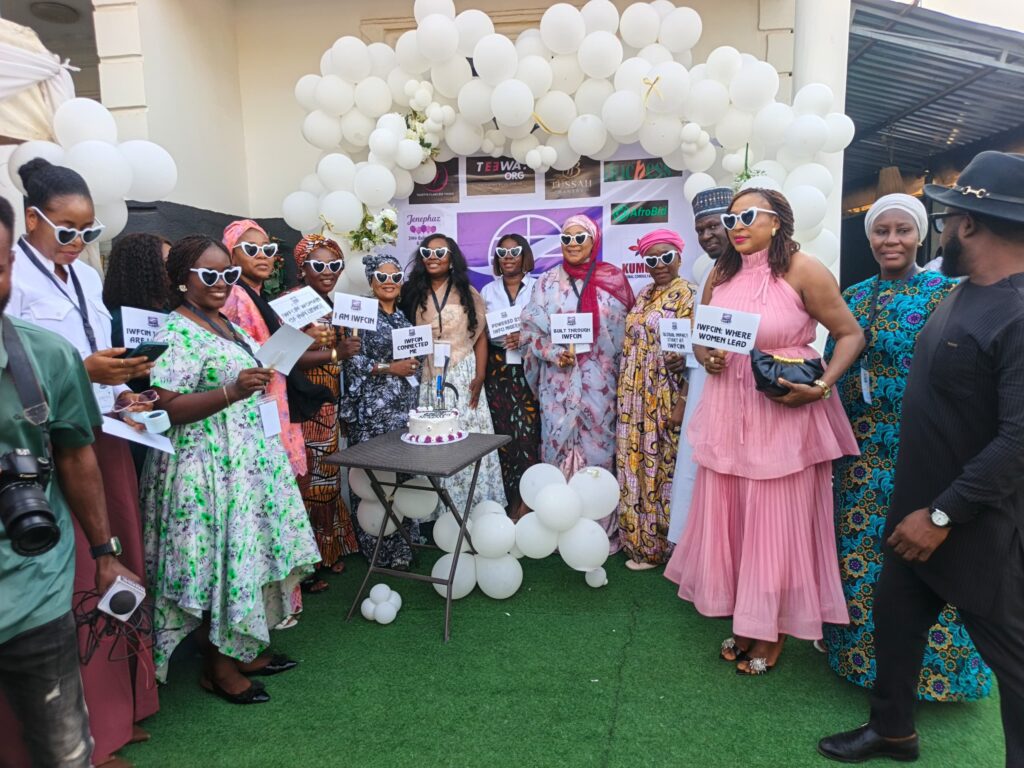
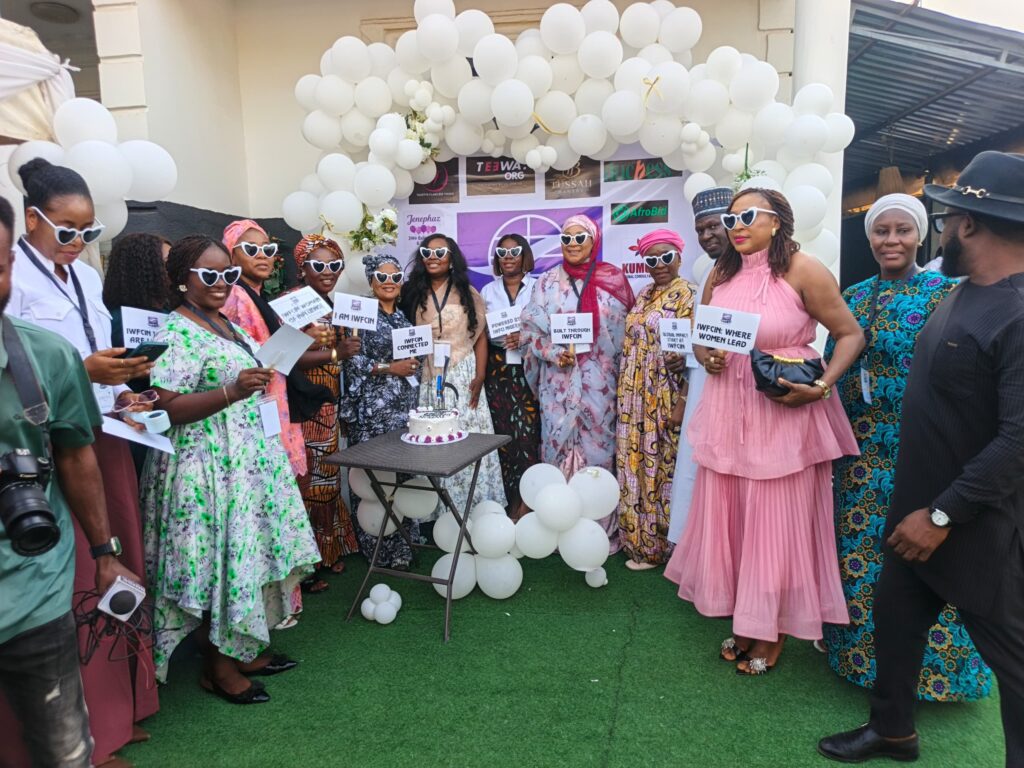
Speaking yesterday at a trade and investment forum in Abuja themed, “Navigating Trade and Investment in Africa: Insights for Growth, Structure and Market Access,” Edudje said African entrepreneurs must move beyond ambition and embrace international business standards to unlock the continent’s trade potential.
According to her, many businesses across Africa have strong ideas and resilience but fail to scale internationally because they lack the operational and institutional structures required in global trade.
“Many businesses are strong locally, but when they begin to engage internationally, they encounter challenges because the systems they are entering operate on a different level of structure,” she said.
She identified documentation standards, governance systems, compliance requirements, financial transparency and operational consistency as key conditions for businesses seeking access to regional and international markets.
“The business may be excellent locally but become invisible internationally, not because of quality, but because of structure,” Edudje stated.
The IWFCI Nigeria president explained that although trade frameworks already exist within ECOWAS and across Africa, many entrepreneurs still struggle because they do not understand how to navigate the systems and opportunities available.
She stressed that success in modern trade and investment depends more on preparedness and proper structure than mere ambition.
“Success in trade and investment is no longer determined by ambition alone. It is determined by preparedness within systems that are already structured,” she added.
Edudje said IWFCI Nigeria has continued to serve as a support platform connecting businesses to market opportunities, institutional frameworks and capacity-building initiatives needed for sustainable growth.
She noted that the organisation focuses on trade facilitation, enterprise development and strategic partnerships with both government and private sector institutions.
According to her, the organisation also mentors local entrepreneurs, particularly women and farmers, on how to meet export standards and access international markets.
“We tell people that it is possible for their businesses to scale internationally, but they must understand the standards, structures and documentation required,” she said on the sidelines of the event.
She further disclosed that IWFCI Nigeria has sustained collaborations and inter-country webinars with member nations to identify export opportunities for Nigerian women entrepreneurs.
On regional integration, Edudje revealed that the organisation is partnering on ECOWAS Actor 25, an initiative aimed at strengthening collaboration across West Africa and expanding the organisation’s impact in the sub-region.
In a goodwill message, the Federal Ministry of Industry, Trade and Investment commended IWFCI Nigeria for promoting women-led enterprises and supporting regional market access.
Representing the ministry, Head of Gender, Hauwa Usman, said the forum aligns with Nigeria’s industrialisation agenda and opportunities under the African Continental Free Trade Area (AfCFTA).
“The ministry recognises the important role IWFCI plays in supporting women entrepreneurs to overcome barriers, strengthen enterprise structures and enhance competitiveness in regional and international markets,” she said.
Usman assured participants of the ministry’s continued support through technical assistance, capacity-building programmes and access to government initiatives.
Also speaking, Executive Director of HEDDA Diplomatic Career Mentorship and Leadership Centre and Director of Training for IWFCI Nigeria, Hope Ayabina, advised young women entrepreneurs to build strong networks and seek proper mentorship to grow their businesses.
“You need the right network, the right information and the right people around you to make sound business decisions,” she said.
One of the participants, Rola Ajakaiye, described the programme as eye-opening, saying it exposed her to the realities of entrepreneurship and inspired her to think beyond local limitations.
“I’ve learned about barriers women face in business and practical ways to overcome them. It has motivated me to dream bigger,” she said.