
Home Blog Page 4

CWAY Calls for Greater Youth Role in Nigeria’s Political Future, Hails Adebayo


The Confederation of West African Youths (CWAY) has called on Nigerian youths to take a more active role in shaping the country’s political future, saying effective governance must translate into tangible improvements in the lives of citizens.

The organisation also expressed support for the presidential campaign of the Social Democratic Party (SDP) candidate, Prince Adewole Adebayo, while advocating stronger public-private partnerships, greater accountability and increased opportunities for young Nigerians.

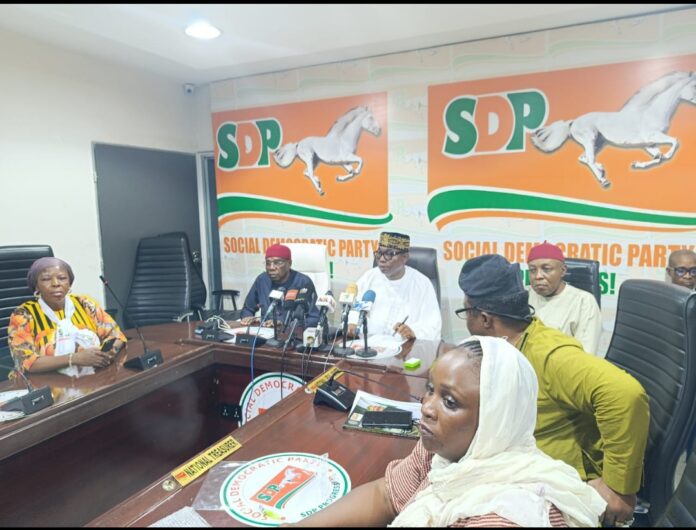
Regional President of CWAY, Ambassador Israel Akinola, stated this in Abuja when a delegation of the organisation paid a courtesy visit to the SDP National Secretariat.

Akinola said CWAY, which he described as a platform of African youths committed to driving change, had members across West African countries and was focused on promoting good governance, effective leadership and opportunities for young people.

He said Nigeria needed a different approach to governance in which public policies would be reflected in the daily experiences of ordinary citizens.

“We are a confederation of West African youths, an organisation of caring African youths for change. We have membership across all West African countries.

“We want every African country to experience leadership and governance at its peak. Looking at some countries that are given as examples of excellent governance, we discovered that Nigeria needs to chart a new course,” he said.

Akinola said CWAY was particularly interested in issues affecting young people, including education, technology, access to finance, employment and grassroots development.

He said the organisation had been impressed by Adebayo’s message during the 2023 presidential election and his continued advocacy for political and institutional reforms.

“I was quite impressed by the message of hope you came to give to the people,” Akinola told Adebayo.

“We have come to discover that you are not just any conventional type of politician. You are someone who has come to pioneer and ensure that change is driven.”

The CWAY leader, who identified himself as a software engineer, said Nigeria needed an environment where the ideas and innovations of young people could develop into sustainable businesses.

He cited the progress made by young innovators in countries such as China, Japan and the United States, arguing that government support and an enabling environment could help Nigerian youths turn their ideas into enterprises.

“I built apps and software that I believe, with the required government backing, could become a conglomerate in the nearest future. But with the frustrating envirRegional President of CWAY, Ambassador Israel Akinolaonment we have, that does not let our ideas and intellect thrive, it is frustrating,” he said.

Akinola also urged young Nigerians to become more conscious of their civic responsibilities, noting that youths constitute a significant segment of the electorate.

He said the delegation’s visit was aimed at facilitating intellectual engagement with the SDP and exploring areas of cooperation ahead of the 2027 general elections.

Responding, Adebayo thanked the delegation and recalled the historical contribution of young people to Nigeria’s independence struggle, particularly the role of the West African Students’ Union.

He said the younger generation had a responsibility to contribute to the country’s political development, urging the youths to take their message beyond political meetings and into local communities.

“Politics is done in the neighbourhoods,” he said, stressing that national political influence would have limited practical effect without sustained engagement at the grassroots.

Adebayo also encouraged the youths to build what he described as a “society of purpose”, arguing that commitment to country and a clear vision for the future were essential to sustained political participation.

“Politics is not a game of the mouth. It is a game of the heart. Because the burden of politics is not easy. The love for your country and the vision of the future will be what will make you last long in politics,” he said.

The SDP candidate asked the group to identify areas where it could collaborate with the party, assuring the delegation that its contributions would be considered in the party’s wider political engagement.

Also speaking, the SDP Deputy National Chairman, Senator Ugochukwu Uba, who represented the National Chairman, Professor Sadiq Gombe, said the party was developing its policies around the welfare and security provisions contained in Chapter Two of the 1999 Constitution.

Uba said the growing interest of young people in the party reflected the reach of its message, adding that the SDP’s recently unveiled 2027–2031 blueprint, titled Farewell to Poverty and Insecurity, outlines its proposed approach to security, economic productivity, social welfare, governance and institutional reform.

He said Nigeria possessed the human and material resources required for development but had been constrained by leadership challenges, urging young Nigerians to engage with political programmes and participate in efforts to strengthen the country’s democratic process.

The party’s Director of Contact and Mobilisation, Prof. Ifedi Okwenna, similarly urged youths to move beyond attending political meetings and voting to sustained grassroots engagement.

Okwenna said the party wanted young Nigerians to participate actively in mobilisation and engagement at the polling-unit level ahead of the 2027 elections.

Nigeria currently has 176,846 polling units across the 36 states and the Federal Capital Territory, according to the Independent National Electoral Commission (INEC), underscoring the scale of grassroots organisation required by political parties and civic groups.

The visit came shortly after the SDP presented its 2027–2031 policy blueprint in Abuja, outlining proposed measures on security, poverty reduction, jobs, education, healthcare, infrastructure, technology and governance.
 

FG Moves to End Nigeria’s Dependence on Imported Diagnostics


…Salako, medical experts demand local manufacturing, quality standards


The Federal Government has stepped up efforts to boost local production of medical diagnostic products, saying Nigeria must reduce its dependence on imports and build a stronger domestic diagnostics industry.

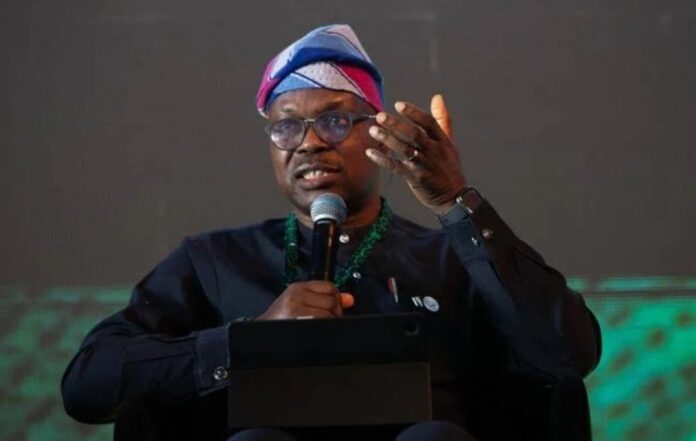
The Minister of State for Health and Social Welfare, Dr Iziaq Salako, stated this on Wednesday in Abuja at the 28th Scientific Conference and Annual General Meeting of the Guild of Medical Laboratory Directors.

Salako, represented by the Director and Head of Medical Laboratory Services Division in the ministry, Dr Emeka Elom, described medical diagnostics as a strategic national asset critical to healthcare delivery, disease surveillance and public health decisions.

He said achieving diagnostic sovereignty required more than producing tests locally, stressing the importance of technology transfer, research and innovation, effective regulation, sustainable procurement and strategic partnerships.

“The Federal Government recognises diagnostics as a strategic national asset,” Salako said.

“Nigeria’s path towards diagnostic sovereignty requires more than local production; it requires stronger national capacity, technology transfer, research and innovation, effective regulation, sustainable procurement and strategic partnerships that can generate access to quality, affordable and timely diagnostic services.”

The National President of the GMLD, Dr Samuel Fele, called for an end to Nigeria’s heavy dependence on imported diagnostic reagents, consumables and equipment.

Fele said the country needed to build a competitive and sustainable local manufacturing industry capable of serving both Nigeria and the wider African market.

He said the conference theme, “From Diagnostic Sovereignty to Market Readiness: Building Nigeria’s End-to-End Diagnostics Ecosystem,” should be treated as a call to action.

“The question is no longer whether Nigeria can produce the diagnostic products, but whether we can establish a competitive, sustainable, innovative and quality-assured diagnostic industry capable of serving Nigeria and the broader African market,” Fele said.

According to him, Nigeria’s prolonged reliance on imported diagnostic products has resulted in lost opportunities for employment, industrial growth and technological development.

He noted that the African in-vitro diagnostics market, valued at $1.33bn in 2024, alongside growing demand for point-of-care and rapid diagnostic services, presented opportunities for Nigerian manufacturers.

Fele, however, warned that local production must not compromise quality.

He called for an end-to-end diagnostic ecosystem linking research, innovation, manufacturing, regulation, quality assurance, distribution, laboratories, healthcare providers, patients and data.

“If any link in this chain is weak, the entire system remains vulnerable,” he said.

He also demanded stronger quality management systems, regulatory oversight, proficiency testing and compliance with recognised standards.

“Let me be unequivocal: diagnostic sovereignty must never come at the expense of quality and standards,” Fele stated.

The GMLD president further called for government policies, financing, infrastructure, research grants and procurement systems capable of creating predictable demand for locally manufactured diagnostic products.

“Domestic production cannot be sustained without reliable demand,” he said.

Fele urged stakeholders to move beyond repeated discussions about import dependence and begin implementing practical solutions.

“We have been hearing this over the years. We have been relying on imported goods, imported this and all that. It has become a cliché. The time has now come to move on into action,” he said.

Renowned virologist and Chairman of Biovaccines Nigeria Limited, Prof Oyewale Tomori, also stressed the importance of developing a viable domestic market for locally manufactured diagnostics.

“You cannot have a king without his subjects. The first thing is to understand what the market needs and work to meet the need. We must get the market ready. The ready market will be a consumer for products produced locally,” Tomori said.

He also raised concerns about the prolonged efforts to establish local vaccine manufacturing, urging stakeholders to remove institutional barriers that could frustrate domestic production.

The keynote speaker and Executive Director of KNCV Tuberculosis Foundation, Dr Mustapha Gidado, said the success of diagnostic sovereignty should ultimately be measured by its impact on patients.

“Neither sovereignty nor market readiness should be a final destination on its own. The final destination must be the patient,” Gidado said.

He clarified that diagnostic sovereignty did not mean Nigeria must manufacture every instrument, reagent or component locally.

Rather, he said the country should have the capacity to determine its diagnostic needs, assess available technologies and ensure that products meet required quality standards.

“Sovereignty is not substandard. Sovereignty is not a quality reduction. Sovereignty is matching the standard,” he said.

Gidado also advocated a connected national diagnostic network through which patients, samples and results could move efficiently across the health system.

He stressed that predictable demand would be necessary to attract sustained investment into local manufacturing.

Medical laboratory scientist, Prof Dennis Agbonlahor, meanwhile, recalled the role of laboratory investigation in the identification of Lassa fever following an investigation into mysterious deaths in an Edo community.

He said the experience demonstrated the importance of medical laboratories in detecting infectious diseases and responding quickly to public health threats.

Agbonlahor also called for greater unity within the medical laboratory profession, saying internal disagreements had affected professional interaction.

The conference brought together medical laboratory professionals, researchers, policymakers, regulators, manufacturers and other stakeholders to deliberate on local production, regulation, quality assurance, procurement and access to diagnostic services.

The push for local diagnostic manufacturing comes amid concerns over Nigeria’s dependence on imported medical products and the need to strengthen domestic health manufacturing, laboratory systems and preparedness for disease outbreaks.


Tinubu Declares War on Child Labour, Unveils 4-Year Action Plan


…FG launches 2026–2030 policy, targets poverty, school exclusion and child exploitation

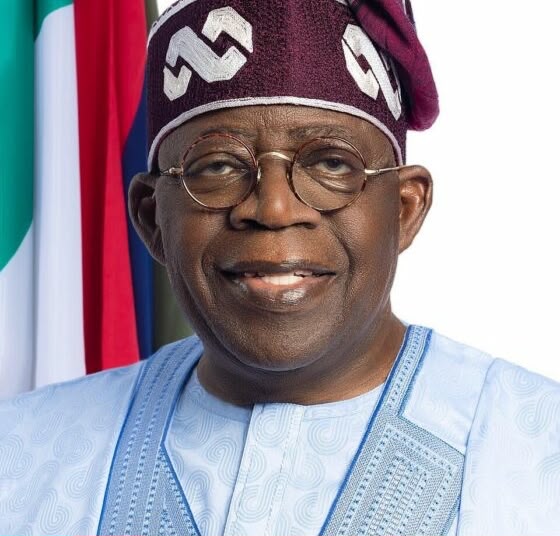
President Bola Tinubu has declared the elimination of child labour a national development priority, unveiling a four-year action plan aimed at tackling the factors that push children into exploitative work.

The President said child labour was not merely a labour issue, stressing that it had far-reaching implications for education, poverty reduction, economic growth, food security, human capital development and national security.

Tinubu spoke on Wednesday in Abuja at the National Dialogue on Advancing the Implementation of Nigeria’s National Child Labour Policy and National Action Plan, where the Federal Government launched the 2024 National Child Labour Survey Report.

The President was represented at the event by the Secretary to the Government of the Federation, George Akume.

Tinubu said the government would intensify efforts to address poverty, unemployment, inadequate access to quality education and social exclusion, which he identified as factors contributing to child labour.

“Every nation is judged by how well it protects its children. A child who is forced into labour instead of attending school loses more than an education. That child loses opportunities, confidence, health and the chance to fully contribute to national development,” he said.

“For this reason, the Federal Government considers the elimination of child labour not merely as a labour issue, but as a national development priority.”

The President said the government would strengthen labour administration and inspection systems, child protection mechanisms and other interventions designed to prevent the exploitation of children.

He also identified education as one of the strongest safeguards against child labour, noting that the administration was implementing reforms focused on out-of-school children, education data, teacher development and skills acquisition.

Tinubu said the Renewed Hope National Home-Grown School Feeding Programme would also help improve school attendance while addressing hunger and nutritional challenges among children from vulnerable families.

He said the government was strengthening social protection and household resilience through programmes including the NG-CARES Additional Financing Programme and the Human Capital Opportunities for Prosperity and Equity Programme.

According to him, the initiatives are designed to expand economic opportunities and help parents and caregivers secure decent livelihoods, thereby reducing the pressure on children to work to support their families.

The President recalled that his administration launched the National Plan of Action on Ending Violence Against Children in Nigeria, covering 2024 to 2030, in 2025.

He said efforts were also being made to strengthen enforcement of the Child Rights Act and other child protection laws, while improving safety in schools, particularly in vulnerable and high-risk areas.

Tinubu said Nigeria’s status as an Alliance 8.7 Pathfinder Country carried both responsibility and an opportunity for the country to demonstrate leadership in the fight against child labour.

He described the National Child Labour Policy and National Action Plan for the Elimination of Child Labour 2026–2030 as a roadmap for translating Nigeria’s commitments into measurable action.

The President called on state governments to support the implementation of the action plan and urged the Nigeria Governors’ Forum and Nigeria Governors’ Spouses Forum to champion child protection initiatives across the country.

He also charged employers to ensure their supply chains were free of child labour.

Workers’ organisations, development partners, traditional and religious leaders, communities, parents and guardians were equally urged to support the national campaign.

Tinubu subsequently launched the 2024 National Child Labour Survey (Labour Force Survey) Report alongside the National Policy and National Action Plan for the Elimination of Child Labour 2026–2030.

He directed ministries, departments and agencies, state governments, employers, workers’ organisations, development partners and civil society groups to ensure full implementation of the policy and action plan.

The President commended the Federal Ministry of Labour and Employment, International Labour Organisation, ECOWAS, European Union, Government of the Netherlands, United States Department of Labour, World Bank, National Bureau of Statistics and members of the National Steering Committee on the Elimination of Child Labour for their contributions.

He stressed that Nigeria must now move “beyond commitment to action” to ensure that every child has access to education, protection and a childhood free from exploitation.


Shettima Tells Kwara APC: Forgive, Reconcile After Primaries

… VP cites Tinubu’s 2023 experience, urges politicians to play politics without bitterness

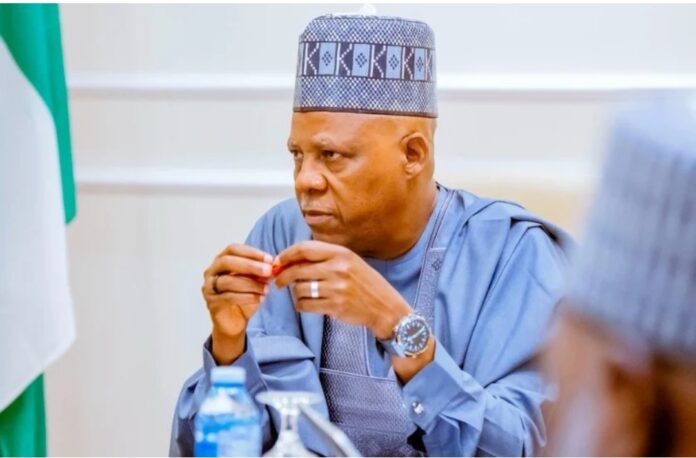
Vice President Kashim Shettima has urged warring factions within the All Progressives Congress (APC) in Kwara State to bury their differences and reconcile after the party’s political contests.

Shettima made the call on Wednesday in Ilorin during the turbaning of Governor AbdulRahman AbdulRazaq as the Sardauna of Ilorin Emirate by the Emir of Ilorin, Alhaji Ibrahim Sulu-Gambari.

Speaking against the backdrop of political activities ahead of the 2027 elections, the Vice President warned politicians against allowing disagreements arising from elections and party contests to become permanent divisions.

“I call on all of us to unite in this political season and play politics without bitterness. The truth that sets us free is also the truth that people don’t want to hear,” Shettima said.

He cited President Bola Tinubu’s experience during the 2023 presidential election as an example of political reconciliation.

According to Shettima, only six of the 19 northern states had governors who supported Tinubu’s presidential ambition at the time, but the eventual winner continued with his campaign despite the opposition.

Shettima said Tinubu subsequently reconciled with northern governors who had not supported his bid.

“After the 2023 election, President Tinubu hugged and forgave all other northern governors who did not support him. That is a mark of a good leader,” he said.

The appeal comes amid reported disagreements within the Kwara APC following the party’s governorship primary, with aggrieved aspirants and their supporters forming a group known as the G-15.

Shettima reminded politicians that political power was temporary and should be exercised with humility and a sense of service.

“As public officeholders, we spend more of our lives outside public offices than we do in public offices. Let us embrace each other, let us have the courage to serve with humility,” he said.

He added that occupying political office was not necessarily a reflection of superior pedigree, intellect or ability, stressing that what unites Nigerians should be greater than their political differences.

“We are in power not because of our pedigree, intellect, ability or physical build, but by destiny. What brings us together supersedes what separates us,” Shettima stated.

The Vice President also spoke about the Tinubu administration’s handling of the economic challenges inherited in 2023, saying the government chose to focus on addressing the situation rather than blaming its predecessors.

“The economic team forged ahead to turn the economy around; today, Nigeria is better for it,” he said, reflecting the administration’s own assessment of its economic performance.

Shettima also described Tinubu as a decent leader who has confidence in members of his administration, saying he was pleased to serve as the President’s deputy.

Earlier, the Vice President inaugurated the Kwara State Revenue House on Ahmadu Bello Way, Ilorin, and a garment factory in the state capital. The garment factory has a stated capacity to employ 4,000 people when operating at full capacity.

Shettima also praised the Emir of Ilorin for conferring the Sardauna title on AbdulRazaq, saying the honour further strengthened the relationship between the governor’s family and the Ilorin Emirate.

He recalled the legacy of AbdulRazaq’s late father, Alhaji AbdulGaniyu AbdulRazaq (SAN), whom he described as Northern Nigeria’s first lawyer and former Mutawalle of Ilorin.

The Vice President urged the governor to continue contributing to the development of Kwara State and to regard the traditional honour as another responsibility to the people.


Oyo School Abduction: DSS to Re-arraign Five Ansaru Suspects


… Court orders access to lawyer of choice


The Department of State Services (DSS) will today, Thursday, re-arraign five suspected members of the Ansaru terrorist group over their alleged involvement in the abduction of pupils and teachers in Oriire Local Government Area of Oyo State.

The suspects are also facing allegations over the subsequent killing of two of the victims following the May 15 abduction.

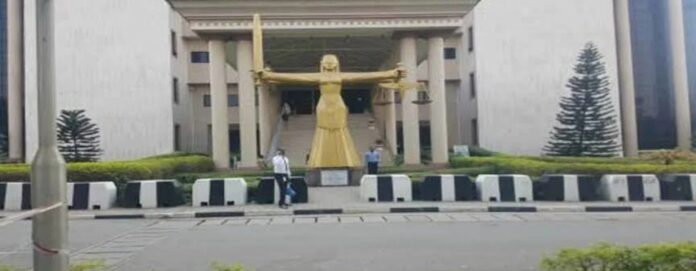
They are to be re-arraigned before the Federal High Court in Abuja on a six-count amended charge filed by the Director of Public Prosecutions of the Federation, Rotimi Oyedepo (SAN), on behalf of the Federal Government.

The accused are Mahmud Muhammad, also known as Abu Bara’a and Abbas Mukhtar; Abubakar Abbas, aka Isah Adam and Mallam Mahmuda Al-Nigeri; Abdulrazak Umar, aka Abu Khalifa and Abu Khalid; Yunusa Musa, aka Abu Yunusa Bin Musa; and Shamsu Adamu Sani, aka Abu Itisar.

The re-arraignment was shifted after the first defendant, Muhammad, objected to being represented by a lawyer from the Legal Aid Council.

The case came up before Justice Saliu Ibrahim on Wednesday, when a Deputy Director of the Legal Aid Council, Akilaluyel Shettima, announced his appearance for the five defendants.

However, Muhammad told the court that the defendants already had a lawyer, Bala Dakum, and wanted him to continue representing them.

“We had been represented by Bala Dakum as our lawyer before, and we would want him to continue to defend us,” he told the court.

In response, Oyedepo acknowledged that the defendants’ constitutional right to counsel of their choice should be respected.

The Federal Government’s lawyer also told the court that the DSS was a law-abiding agency and was not interested in persecuting the accused persons but in ensuring that justice was served.

Justice Ibrahim subsequently adjourned the case until Thursday for the suspects to be re-arraigned.

The judge directed the defendants to contact Dakum and ensure that he was available in court for the proceedings.

He also ordered the DSS to allow the suspects access to their lawyer to enable them prepare their defence in accordance with the law.

The re-arraignment will now pave the way for the defendants to take their pleas to the amended charges concerning the alleged Oyo school abduction.


Constitution Amendment: 36 States Get 30 Days to Respond


…National Assembly says deadline is administrative, not constitutional


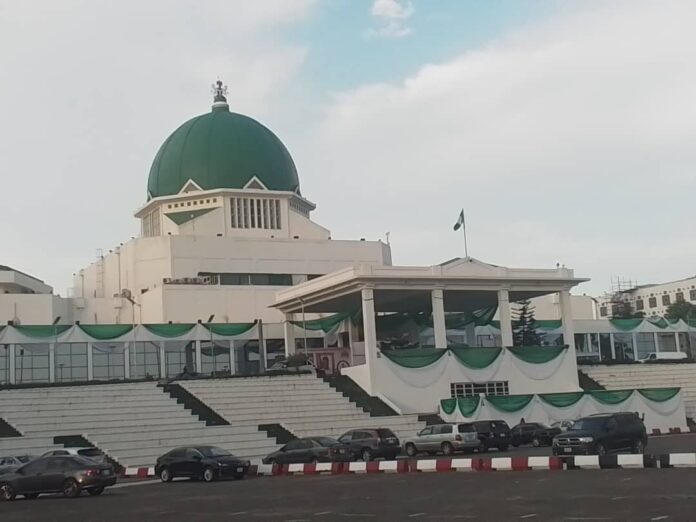
The National Assembly has transmitted the 2026 Constitution alteration bill to the 36 state Houses of Assembly, giving them an expected 30 days to consider the proposals and communicate their resolutions.

The Clerk to the National Assembly, Kamoru Ogunlana, however, clarified that the 30-day period is an administrative timeframe and not a constitutional deadline.

The transmission, which took effect on Wednesday following a directive from the leadership of the National Assembly, marks the beginning of the next phase of the constitutional amendment process.

According to Ogunlana, the bill was transmitted pursuant to Section 9 of the 1999 Constitution, which requires constitutional alteration bills to secure the approval of at least two-thirds of the state Houses of Assembly.

He said, “The National Assembly has commenced the next stage of the constitutional alteration process with the transmission of the Constitution of the Federal Republic of Nigeria, 1999 (Sixth Alteration) Bill, 2026 to the Houses of Assembly of the 36 States of the Federation for their consideration and approval.”

Section 9 provides that a constitutional alteration bill must be approved by resolutions of not less than two-thirds of the 36 state legislatures before the process can proceed.

This means at least 24 state Houses of Assembly must approve the proposed alterations.

Ogunlana said the state legislatures were expected to consider the proposals according to their respective legislative procedures and forward their decisions to the National Assembly after concluding their deliberations.

He stressed that the Constitution does not specify a timeframe within which the state Houses of Assembly must communicate their decisions.

“Nevertheless, in the interest of an orderly, coordinated and timely conclusion of the constitutional alteration process, the state Houses of Assembly are expected to consider the Bill and communicate their respective resolutions to the National Assembly within 30 days of receipt,” he said.

“For clarity, the 30-day period is an expected administrative timeframe and does not constitute a constitutional deadline.”

The National Assembly also emphasised that the transmission was not intended to influence or dictate how the state legislatures should consider the proposed amendments.

Ogunlana said the National Assembly recognised the constitutional responsibility and independence of the state Houses of Assembly in the process.

He added that upon receipt of the states’ resolutions, the National Assembly would take the necessary steps in line with the Constitution.

The development followed the passage of the proposed constitutional alterations by both chambers of the National Assembly.

Under Section 9, a constitutional amendment must first secure the required majority in both the Senate and House of Representatives before being transmitted to the state legislatures for consideration.

The latest development comes amid concerns about whether the 10th National Assembly would complete the constitutional review before its tenure expires in June 2027.

The Senate had previously assured Nigerians that the exercise would be concluded within the lifespan of the current Assembly.

Chairman of the Senate Committee on Media and Publicity, Yemi Adaramodu, said the amendment proposals initiated by the 10th National Assembly would be passed before the expiration of its tenure.

He also clarified that January 2027 was not the terminal date of the current Assembly, noting that its tenure would run until June 2027.

The Senate President, Godswill Akpabio, had similarly maintained that preparations for the 2027 general elections would not prevent lawmakers from carrying out their constitutional responsibilities.

The ongoing constitutional review is expected to address proposals concerning governance, political restructuring and other aspects of Nigeria’s constitutional framework.

Unlike ordinary legislation, constitutional alteration is subject to the special procedure contained in Section 9 of the Constitution, including approval by both chambers of the National Assembly and at least two-thirds of the state Houses of Assembly.

With the transmission of the bill, the 36 state legislatures have now become central to the next stage of the process, as their resolutions will determine whether the proposed amendments can move forward before the 10th National Assembly ends its tenure in June 2027.


Aisha Buhari Visits Atiku, Talks Nigeria’s Economic Hardship


…Former VP says families groan under rising cost of food, transport, education, healthcare


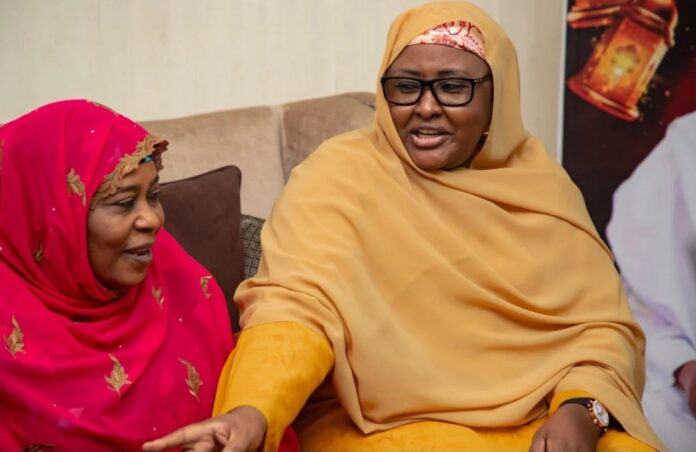
Former First Lady, Aisha Buhari, has paid a visit to former Vice-President and African Democratic Congress (ADC) presidential candidate, Atiku Abubakar, in what the former vice-president described as a “warm and deeply appreciated” meeting.

Atiku disclosed the visit in a post on his X handle on Wednesday, saying the meeting also underscored the responsibility of those seeking a better Nigeria to prioritise the welfare, dignity and future of citizens.

He said the visit came at a time when many Nigerian families were facing increasing pressure from the rising cost of essential goods and services.

“Today, I was delighted to receive former First Lady, H.E. Aisha Buhari. Her visit was warm and deeply appreciated,” Atiku wrote.

According to him, the meeting went beyond the courtesies of the occasion, highlighting the need for leaders and political actors seeking to improve the country to remain focused on the welfare of Nigerians.

He said families across the country were being stretched by the rising costs of food, transportation, education, healthcare and other basic necessities.

“Across our country, families are being stretched by the rising cost of food, transport, education, healthcare and other basic necessities,” the former vice-president said.

Atiku added that Nigerians deserved an economy that would reward hard work, create opportunities and enable families to live with dignity and hope.

He said building such a country would require collective efforts to reduce the economic burden on citizens and restore confidence in the future.

“That is the Nigeria we must build together, a country that works for its people again. We must ease the burden, restore hope and Make Nigeria Affordable Again,” he stated.

The visit comes as political activities ahead of the 2027 general elections intensify, with Atiku emerging as the presidential candidate of the ADC and various political actors holding consultations over possible alliances and strategies.

The former vice-president has continued to advocate economic policies aimed at addressing the challenges facing Nigerians, while calling for greater opportunities and improved living standards.

Aisha Buhari, who served as First Lady between 2015 and 2023, has in recent years maintained a relatively low public political profile since leaving office.

Details of the discussions between the former First Lady and Atiku were not made public beyond the comments contained in Atiku’s post.


Atiku Gets Court Nod to Serve Tinubu Through APC


…Court fixes September 28 for mention of 2027 eligibility suit


Former Vice President Atiku Abubakar has secured an order of the Federal High Court in Abuja to serve President Bola Ahmed Tinubu with court processes through the All Progressives Congress (APC) in a suit challenging the President’s eligibility to contest the 2027 election.

Justice Inyang Ekwo granted the application for substituted service on Wednesday after Atiku’s counsel, O.T. Omotayo-Ojo, told the court that efforts to personally serve Tinubu with the originating summons and other processes had been unsuccessful.

The judge directed Atiku and the African Democratic Congress (ADC) to effect service within seven days and adjourned the case until September 28 for mention.

The suit, marked FHC/ABJ/CS/1888/2026, was filed by Atiku and the ADC against Tinubu, the APC and the Independent National Electoral Commission (INEC).

The plaintiffs are asking the court to disqualify Tinubu and the APC from participating in the 2027 presidential election over allegations concerning a National Youth Service Corps (NYSC) discharge certificate which they claim was submitted to INEC.

Atiku and the ADC allege that the disputed certificate bears the name “Tinubu Bola Adekunle” and contend that its submission raises questions under the constitutional provision dealing with the presentation of forged certificates to INEC.

They are also seeking an order compelling INEC to remove Tinubu and the APC from the list of candidates and political parties for the 2027 presidential election if their claims are established.

However, the court has not ruled on the substance of the allegations. Tinubu and the APC have filed processes asking the court to dismiss the case, while INEC has separately challenged its competence.

In their joint counter-affidavit filed on September 9, Tinubu and the APC denied submitting any forged certificate to INEC for either the 2023 or 2027 presidential elections.

They also denied submitting the Form CF001 in the manner alleged by the plaintiffs and maintained that the NYSC had never denied issuing a discharge certificate to Tinubu.

Counsel to Tinubu and the APC, Chief Akin Olujinmi, SAN, argued that an allegation of forgery is criminal in nature and must be established to the required standard of proof.

He further argued that Atiku and the ADC had not produced evidence from the NYSC disclaiming the issuance of the certificate allegedly linked to Tinubu.

Olujinmi also challenged the competence of the suit as a pre-election matter and questioned the plaintiffs’ legal standing to institute the action, urging the court to dismiss it.

INEC, in its preliminary objection filed on September 7 through its counsel, Dr Alex Izinyon, SAN, also asked the court to dismiss the case.

The electoral commission raised grounds including statute-bar, lack of locus standi, absence of a reasonable cause of action and alleged abuse of court process.

INEC further argued that the plaintiffs failed to comply with the mandatory written deposition requirement under the Federal High Court Pre-Election Practice Directions (Amendment) 2026.

The latest development followed an earlier disagreement between lawyers for the parties over how the President should be served.

At the September 1 proceedings, Atiku’s legal team said it had been unable to personally serve Tinubu and sought permission for substituted service. A lawyer appearing for the President had offered to receive the documents on his behalf, but Atiku’s counsel requested a written undertaking confirming the authority to accept the processes.

Justice Ekwo subsequently adjourned the matter to allow the issue of service to be regularised.

With Wednesday’s ruling, the plaintiffs now have seven days to serve the court processes through the APC.

The substantive issues surrounding Tinubu’s eligibility, the disputed NYSC certificate and the legal competence of the suit remain before the court for determination.


FG Moves to Launch National Call Centre for Power Complaints

… Tegbe says facility will also help tackle electricity asset vandalism


The Federal Government is set to establish a national call centre where electricity consumers across Nigeria can lodge complaints about power outages and other disruptions and have them addressed promptly.

Minister of Power, Chief Joseph Tegbe, disclosed this on Wednesday at the commissioning of a 3-megawatt hybrid mini-grid project and Renewable Energy Workshop and Training Centre at Yakubu Gowon University, formerly the University of Abuja.

Tegbe said the proposed call centre would provide a central platform for consumers to report electricity-related complaints and would also create job opportunities for young Nigerians.

“My office is working on a call centre where electricity complaints across the country can be lodged and resolved. This initiative will provide sustainable job opportunities for our youth nationwide,” he said.

The minister added that the government planned to establish a dedicated channel for reporting vandalism of critical electricity infrastructure to enable security agencies to respond quickly.

“In addition, we plan to provide a dedicated channel where vandalism of critical assets can be reported for immediate action and remediation,” he said.

Tegbe disclosed that the government was working with the Nigeria Police Force, Nigeria Security and Civil Defence Corps and the Economic and Financial Crimes Commission to curb vandalism of electricity infrastructure nationwide.

He also urged students and members of the university community to protect the newly commissioned solar facility and other electricity assets.

“The promise of this investment now places a responsibility on all of us to preserve it. I expect the student community to support our ongoing efforts to stem the tide of vandalism,” he said.

He urged the students to report vandalism involving transformers, transmission towers and other electricity infrastructure whenever they encountered such acts.

The 3MW hybrid mini-grid project was delivered under Phase Two of the Energising Education Programme (EEP), which covers seven universities and two teaching hospitals.

At Yakubu Gowon University, the installation comprises a 3.3MWp solar array with 3MW AC output capacity and 2MWh battery storage designed to support critical loads after daylight hours.

It also has a dedicated grid connection for non-critical electricity demand outside the solar generation period.

According to Tegbe, the project is expected to benefit 58,726 students, while 388 streetlights installed under the scheme will improve illumination and security within the campus.

He said reliable electricity would strengthen research and academic activities, reduce dependence on diesel generators and ease pressure on the university’s finances.

The minister linked the project to President Bola Tinubu’s Renewed Hope Agenda, saying investments in electricity were being directed towards institutions and productive activities capable of improving citizens’ lives.

Speaking at the event, the Managing Director of the Rural Electrification Agency (REA), Abba Aliyu, said the value of the EEP went beyond the megawatts generated, noting its impact on laboratories, institutional finances and safer learning environments.

Aliyu said sustainability remained critical to the success of renewable energy projects, explaining that the Renewable Asset Management Company (RAMCO) had been established to manage, monitor, maintain and optimise renewable energy assets.

“The ultimate value of this project will depend not only on what we have installed, but on how well it is sustained,” he said.

He also disclosed that the REA had established a Renewable Energy Workshop and Training Centre to develop local technical capacity.

Aliyu challenged the university to turn the facility into a research hub for distributed energy resources by introducing relevant academic programmes, encouraging innovation and developing new technologies.

He disclosed that the Energising Education Programme had so far delivered more than 100MW of power to 22 federal institutions and university teaching hospitals.

The Vice-Chancellor of Yakubu Gowon University, Prof. Akinwunmi Fawehinmi, said reliable electricity was essential for effective teaching, research and a conducive learning environment.

He commended the Federal Government’s intervention and pledged that the university would ensure the facility was properly utilised and maintained.

The Chairman of the Senate Committee on Power, Senator Enyinnaya Abaribe, also commended the project, describing it as important to improving the quality of education in the country.

Abaribe welcomed the establishment of RAMCO, stressing that proper maintenance and sustainability were necessary to ensure that public investments continued to benefit Nigerians long after commissioning.


Wike Is APC Asset, Don’t Embarrass Him — Jibrin

… Lawmaker says FCT Minister sacrificed for Tinubu, urges APC governors to dialogue with him


A chieftain of the All Progressives Congress (APC) and federal lawmaker, Abdulmumin Jibrin, has described Minister of the Federal Capital Territory (FCT), Nyesom Wike, as an “asset” to the ruling party, urging APC leaders to avoid publicly attacking or embarrassing him.

Jibrin made the call while appearing on Channels Television’s Politics Today on Wednesday, amid growing disagreements between Wike and some APC governors over his continued membership of the Peoples Democratic Party (PDP) and his support for President Bola Ahmed Tinubu’s re-election bid.

According to the lawmaker, Wike’s contribution to the political coalition supporting Tinubu should not be overlooked, stressing that the FCT Minister had made significant sacrifices for the President and the APC.

“There is no APC member in Nigeria today that has not directly or indirectly benefited from the efforts of Wike, so long as delivering the President, also managing the government, also performing his work, there is nobody,” Jibrin said.

“Wike is an asset to the APC. I don’t think Wike should be embarrassed at this moment with public statements.”

Jibrin said his defence of the FCT Minister was not based on personal friendship, explaining that he had only met Wike twice by chance.

He said his intervention was motivated by the need to protect what he described as the stability of the political arrangement supporting Tinubu’s second-term bid.

“I’m not holding any brief for Wike, but I think anything that is going to touch on the stability of the journey towards delivering the President, I like to make my intervention,” he said.

The lawmaker further argued that Wike had made considerable political sacrifices, including supporting the APC in Rivers State and the Federal Capital Territory.

“I believe that Wike has sacrificed, he handed over Rivers to APC, Wike had candidates FCT election but asked them to step down for APC. Wike came into this government as government of national unity. In reality we should be fair to him, he has done far more than that,” he said.

Jibrin also dismissed concerns about Wike’s continued membership of the PDP, saying cross-party political cooperation was not unusual.

“There are people who are in other parties, who are working with us in the NDC, in the ADC. Some of them called me yesterday, saying, ‘Look at what they are saying about Wike,’” he said.

The former Chairman of the House Committee on Appropriation urged APC governors who have concerns about Wike’s political activities to engage him directly instead of making public statements.

“For the governors, they should take Wike as part of them. You call Wike the number 32 governor and Adeleke number 33 governor of the APC,” he said.

“If there is problem at the state level, the entire coalition that he is doing is for the President. If anybody at the subnational level feels it may work against him or his interest, they should discuss with Wike, but I do not think Wike should be embarrassed with statements.”

His comments come against the backdrop of criticism from some APC governors, including Kwara State Governor AbdulRahman AbdulRazaq and Imo State Governor Hope Uzodimma, over Wike’s political activities ahead of the 2027 elections.

Wike has maintained that his support for Tinubu does not mean he is required to support APC candidates in all states and at every level. He has also continued to identify with the PDP while promoting the “Rainbow Coalition” of political actors supporting the President.

Jibrin argued that Wike’s political influence had already produced results, citing the APC’s victory in five of the six FCT Area Councils in the 2026 elections.

He said political alliances were ultimately about building numbers and securing electoral support, urging the ruling party to focus on its broader coalition rather than alienating individuals supporting the President from outside the APC.

The lawmaker also appealed for greater dialogue among the various political interests within the President’s support base, saying disagreements should be resolved through engagement rather than public confrontation.


Niger Detainees’ Deaths: Alake Sends Probe Team to Minna

ABUJA — Minister of Solid Minerals Development, Dele Alake, has ordered the deployment of a high-powered ministerial team to Niger State to investigate the...