


…As Sokoto hospital begins final 2026 surgery for 40 patients
Médecins Sans Frontières (MSF) has urged the Federal Government to integrate noma prevention and treatment into primary healthcare services to prevent avoidable deaths and disabilities among Nigerian children.
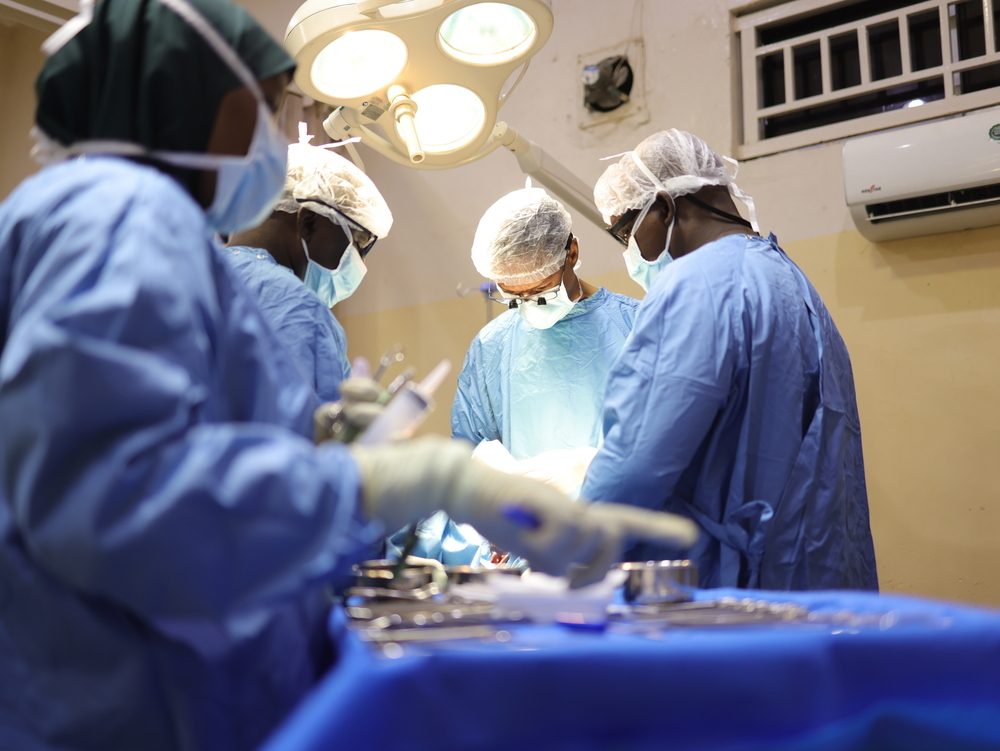
The international medical humanitarian organisation made the call as the Ministry of Health’s Noma Hospital in Sokoto commenced its final surgical intervention for 2026, with 40 patients expected to benefit from reconstructive surgery.
MSF warned that noma, a devastating disease that rapidly destroys facial tissues and bones, continues to threaten children in poor and vulnerable communities due to delayed diagnosis, malnutrition and inadequate access to healthcare.
The disease, which is not contagious, has a mortality rate of between 70 and 90 per cent when left untreated, making early detection and prompt medical intervention critical to survival.
Speaking with journalists, MSF Nursing Activity Manager at the Sokoto Noma Hospital, Samuel Ajamah, said no child should die from a disease that can be prevented and treated when detected early.
“Noma is preventable and treatable. No child should suffer or die from a disease that can be detected early and effectively managed,” Ajamah said.
He explained that early-stage noma could be treated successfully with antibiotics, proper wound care, nutritional support and management of underlying health conditions.
Ajamah, however, lamented that despite the World Health Organisation’s classification of noma as a Neglected Tropical Disease in 2023, the disease remains largely excluded from routine healthcare and child health programmes across Nigeria.
He said the WHO recognition was an important milestone but stressed that concrete government action and increased investment were needed to translate it into better health outcomes.
“Recognition of noma as a Neglected Tropical Disease was an important step, but recognition alone is not enough. We now need practical investment in prevention, early diagnosis, and access to care,” he said.
According to him, noma is closely associated with extreme poverty, malnutrition, poor oral hygiene and low immunisation coverage, making it a reflection of the inequalities affecting access to essential health services.
“Noma is a marker of inequality. Addressing it requires stronger primary healthcare, better nutrition, improved vaccination coverage and greater access to health services,” Ajamah added.
The disease can cause severe facial disfigurement within days, leaving survivors with lifelong complications, including difficulties eating, speaking and breathing.
Beyond the physical damage, survivors frequently endure social stigma, financial difficulties and barriers to education, further worsening their vulnerability.
MSF also expressed concern that poor awareness among community members and frontline healthcare workers often forces patients to visit multiple health facilities before receiving an accurate diagnosis.
The organisation warned that such delays could cost patients their lives or allow the disease to progress to stages requiring complex reconstructive surgery.
To reverse the trend, Ajamah called for noma prevention and treatment to be incorporated into primary healthcare delivery, alongside improved training and awareness for frontline health workers.
He also advocated the inclusion of noma in routine disease surveillance systems, effective referral arrangements linking primary healthcare facilities with specialised treatment centres, and the consistent availability of essential medicines and nutritional support.
Community education, he said, must also be strengthened to help families identify early symptoms and seek medical attention without delay.
MSF has partnered with the Sokoto Noma Hospital since 2014, providing specialised care for patients affected by the disease.
Between 2014 and 2025, MSF teams performed 1,645 reconstructive surgical procedures for 1,078 patients.
In 2025 alone, the organisation provided comprehensive care to 1,034 patients, covering surgery, nutrition, physiotherapy and psychosocial support.
An additional 55 reconstructive procedures were performed during a surgical intervention programme between April and May 2026.
The latest exercise, involving 40 patients, marks the hospital’s final surgical intervention for the year.
MSF maintained that while reconstructive surgery remains essential for survivors, strengthening primary healthcare, improving nutrition and expanding early diagnosis would help prevent new cases, reduce deaths and spare more children from the devastating consequences of noma.