


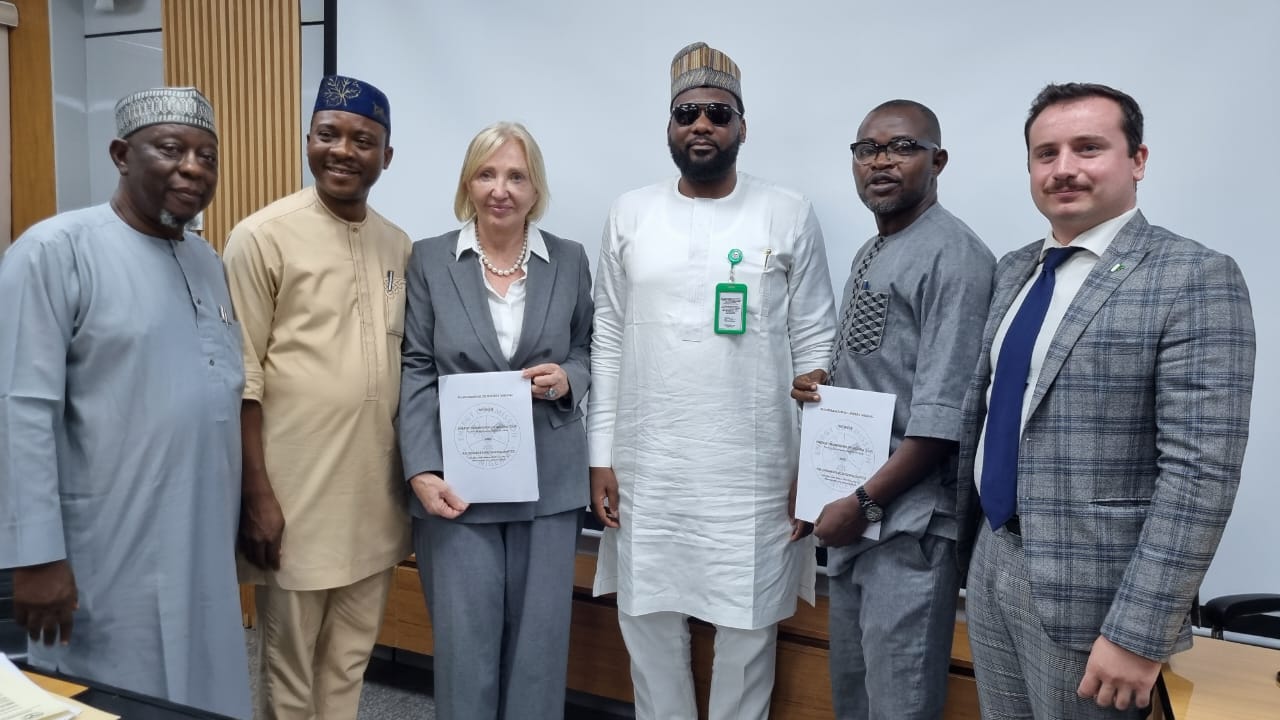
In a major move to tackle Nigeria’s electricity challenges and accelerate the country’s energy transition, the Energy Commission of Nigeria (ECN) has partnered with RSE Engineering Nigeria Limited to deploy advanced cogeneration technology capable of generating power and heat simultaneously.
The strategic alliance was formalised through the signing of a Memorandum of Understanding (MoU) in Abuja, with both organisations expressing optimism that the technology would strengthen energy security, boost industrial productivity and reduce the nation’s dependence on expensive diesel-powered generation.
Speaking at the signing ceremony, Director-General and Chief Executive Officer of the ECN, Dr. Mustapha Abdullahi, described the agreement as a landmark step towards delivering innovative and sustainable energy solutions to meet Nigeria’s growing power needs.
“Today’s signing marks another significant milestone in the Commission’s commitment to advancing Nigeria’s energy sector through strategic partnerships, innovation, capacity development, research collaboration and sustainable energy solutions,” Abdullahi said.
He explained that the partnership would focus on promoting and deploying cogeneration technology, also known as Combined Heat and Power (CHP), an energy system that simultaneously produces electricity and useful thermal energy from a single fuel source.
According to him, the initiative aligns with Nigeria’s Energy Transition Plan and supports the Federal Government’s drive towards energy diversification, improved efficiency, expanded access to electricity and lower carbon emissions.
Abdullahi noted that solving Nigeria’s energy crisis requires strong collaboration among government agencies, private sector operators, researchers, investors and development partners.
“The Memoranda of Understanding being executed today reflect our determination to build strong partnerships that will contribute meaningfully to national development while supporting the implementation of Nigeria’s energy transition objectives,” he stated.
Under the agreement, both organisations will work together on policy support, technology deployment, project development, capacity building, knowledge transfer and investment promotion.
The partnership is also expected to deepen the utilisation of Nigeria’s vast natural gas resources, lower energy costs for industries and improve electricity supply to critical sectors of the economy.
On her part, the Executive Officer of RSE Engineering Nigeria Limited, Ms. Olena Nedryhailo, described the partnership as a game-changing initiative that goes beyond technology deployment.
“This MoU is not only about technology. It is about partnership, energy security, industrial development and creating practical solutions for Nigeria’s future,” she said.
Nedryhailo explained that the company’s cogeneration technology can deliver electricity, heating and cooling with greater efficiency and significantly lower emissions than conventional power systems.
“We are proud that ECN recognises the potential of our cogeneration technology to deliver reliable power, cooling and heating with higher efficiency and lower emissions.
“Together, we aim to support national energy goals, develop local capacity, create jobs and bring sustainable energy solutions to major projects across Nigeria,” she added.
She disclosed that the partnership builds on an earlier agreement signed with Nigeria’s Ministry of Industry in December 2025 and reflects growing confidence in the technology’s ability to help solve the country’s electricity challenges.
According to her, RSE Engineering’s parent company in the Czech Republic has successfully deployed similar modular power systems in several countries, delivering reliable and efficient distributed energy solutions.
“Our hope is that Nigerians will use these cogeneration systems to build power plants and help solve the electricity challenge in Nigeria. We are here to share Ukrainian and European experience with Nigeria,” she said.
Experts regard cogeneration technology as one of the most efficient energy solutions globally, with the ability to achieve up to 90 per cent energy efficiency by producing electricity and useful heat from the same fuel source.
The technology is particularly suitable for hospitals, airports, factories, agro-processing centres, commercial facilities and other energy-intensive operations.
Also speaking, the Second Secretary for Economic Issues at the Embassy of Ukraine, Mr. David Hohiia, highlighted Ukraine’s experience in maintaining energy resilience despite challenges to its power infrastructure.
He said modular and distributed power systems offer greater reliability, flexibility and faster deployment compared to traditional electricity generation models.
The signing ceremony also witnessed the formalisation of partnerships between the ECN and 15 other organisations in areas including renewable energy, electric mobility, compressed natural gas infrastructure, waste-to-energy solutions, carbon reduction initiatives and institutional capacity development.
Observers say the ECN-RSE partnership could play a significant role in strengthening Nigeria’s energy security, creating jobs, reducing operational costs for businesses and accelerating the country’s journey towards a cleaner and more sustainable energy future.