


The Transmission Company of Nigeria (TCN) has identified restoring unavailable generation, strengthening the transmission network and fixing electricity market liquidity as three priority interventions needed to deliver more power to Nigerian consumers.
TCN Managing Director and Chief Executive Officer, Engr. Sule Ahmed Abdulaziz, said Nigeria’s electricity challenge goes beyond installed generation capacity, which exceeds 13,000 megawatts (MW), to whether available power can be transmitted reliably and sustained through a functioning commercial market.
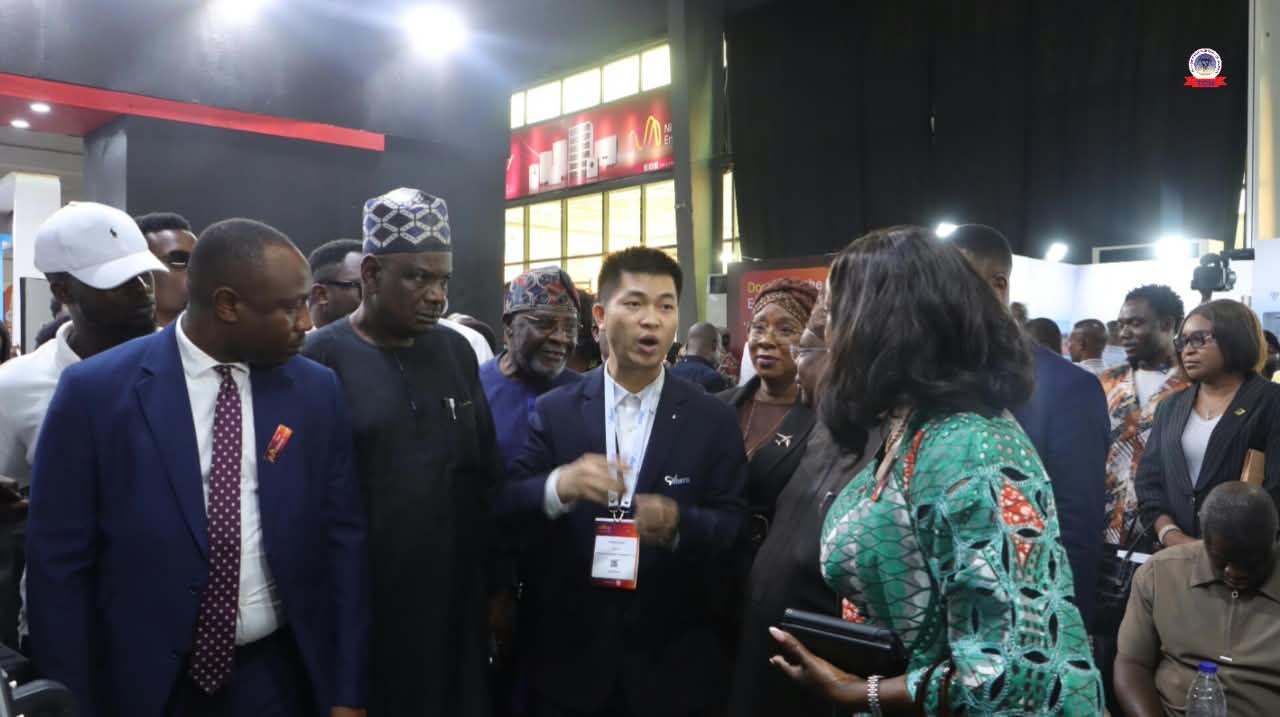
Speaking at the 2026 Energy Conference and Exhibition at the Landmark Centre in Lagos, Abdulaziz stressed that the country must shift its focus from installed capacity to electricity that is available, deliverable and commercially sustainable.
“Nigeria’s electricity challenge is not simply a question of how much generation capacity has been installed. It is whether that capacity is available, can be dispatched, can be carried reliably through the network, and can be sustained by a functioning commercial market,” he said.

He noted that electricity available to consumers remains significantly below the country’s installed capacity, making the gap between potential generation and actual supply an urgent priority for the power sector.
TCN chief prioritises restoring generation
Abdulaziz identified restoring more electricity generation as the intervention with the greatest potential to deliver near-term improvements.
He called for dependable gas supply, predictable payment arrangements across the gas-to-power value chain and coordinated maintenance to reduce avoidable power plant downtime.
He also urged stakeholders to translate existing policy frameworks, including the Nigeria Integrated Resource Plan and the National Integrated Electricity Policy, into measurable improvements in generation availability.
According to him, progress should be assessed by the additional electricity delivered to the grid and ultimately to consumers, rather than the number of plans developed.

“Progress should be measured not by the number of plans produced, but by how much additional electricity becomes available to the grid and reaches consumers,” he said.
TCN outlines transmission improvements
The TCN managing director said the company has a simulated wheeling capacity of approximately 8,700MW, but the amount of electricity that can actually be transmitted depends on the availability of transmission lines and transformers, voltage and system stability limits, and the capacity of distribution companies to receive power.
He disclosed that TCN installed 82 power transformers between January 2024 and November 2025, adding approximately 8,500 megavolt-amperes (MVA) of transformation capacity.
“Our responsibility is to maintain and strengthen the network while expanding its capability,” Abdulaziz said.
He said the company was prioritising critical network reinforcement and rehabilitation, improved availability of transmission lines and transformers, stronger protection systems and enhanced real-time monitoring through Supervisory Control and Data Acquisition/Energy Management System (SCADA/EMS) tools.
He also highlighted the importance of disciplined maintenance, faster responses to faults and closer coordination among generation companies, TCN and distribution companies.
Power sector liquidity remains a major concern
Abdulaziz identified electricity market liquidity as the third priority, warning that improvements in generation and transmission would not be sustainable without addressing payment shortfalls across the electricity value chain.

He called for credible metering and energy accounting, transparent settlement processes, improved revenue collection, enforcement of market obligations and regulatory decisions that make contractual commitments and payments more predictable.
“This requires credible metering and energy accounting, transparent settlement, improved collection, enforcement of market obligations, and targeted regulatory decisions that make contracts and payments predictable,” he said.
The intervention, he explained, is necessary to ensure that the commercial arrangements underpinning electricity generation, transmission and distribution can support reliable supply over time.
TCN proposes 100-day implementation scorecard
To accelerate implementation, the TCN chief proposed a focused 100-day scorecard built around existing sector plans, with clearly defined responsibilities, deadlines and measurable outcomes.
He said the scorecard should track three key indicators: additional generation made available, megawatts constrained by verified transmission network bottlenecks, and commercial actions required to sustain electricity supply.
“The scorecard should track three outcomes: additional generation made available, megawatts constrained by verified network bottlenecks, and commercial actions required to sustain supply,” he said.
Abdulaziz added that every action should have a designated lead institution, a deadline and a measurable result to strengthen accountability across the power sector.
He explained that the sequence of interventions was deliberate: restore generation that is currently unavailable, remove network constraints preventing available electricity from reaching consumers, and repair the commercial arrangements needed to sustain supply.
The TCN chief reaffirmed the company’s commitment to operating a resilient transmission network, expanding its transfer capability and strengthening collaboration with stakeholders across the electricity value chain.
“Nigeria will move closer to its generation potential when we stop treating installed capacity as the final measure of success and focus instead on megawatts that are available, deliverable and commercially sustainable,” he said.
The conference featured exhibitions by major energy sector players and attracted the Minister of Power, Mr Joseph Tegbe; the Lagos State Commissioner for Energy and Mineral Resources, Mr Biodun Ogunleye, representing the state governor; SkipperSeil Group President Jitender Kumar Sachdeva; and other industry leaders, investors, development partners and stakeholders.