


The West African Power Pool (WAPP) North Core 330kV Interconnection Project, designed to link the electricity networks of Nigeria, Benin, Burkina Faso, Niger and Togo, has crossed 75 per cent completion, as participating countries and development partners intensify efforts to resolve outstanding challenges and deliver the regional power infrastructure.
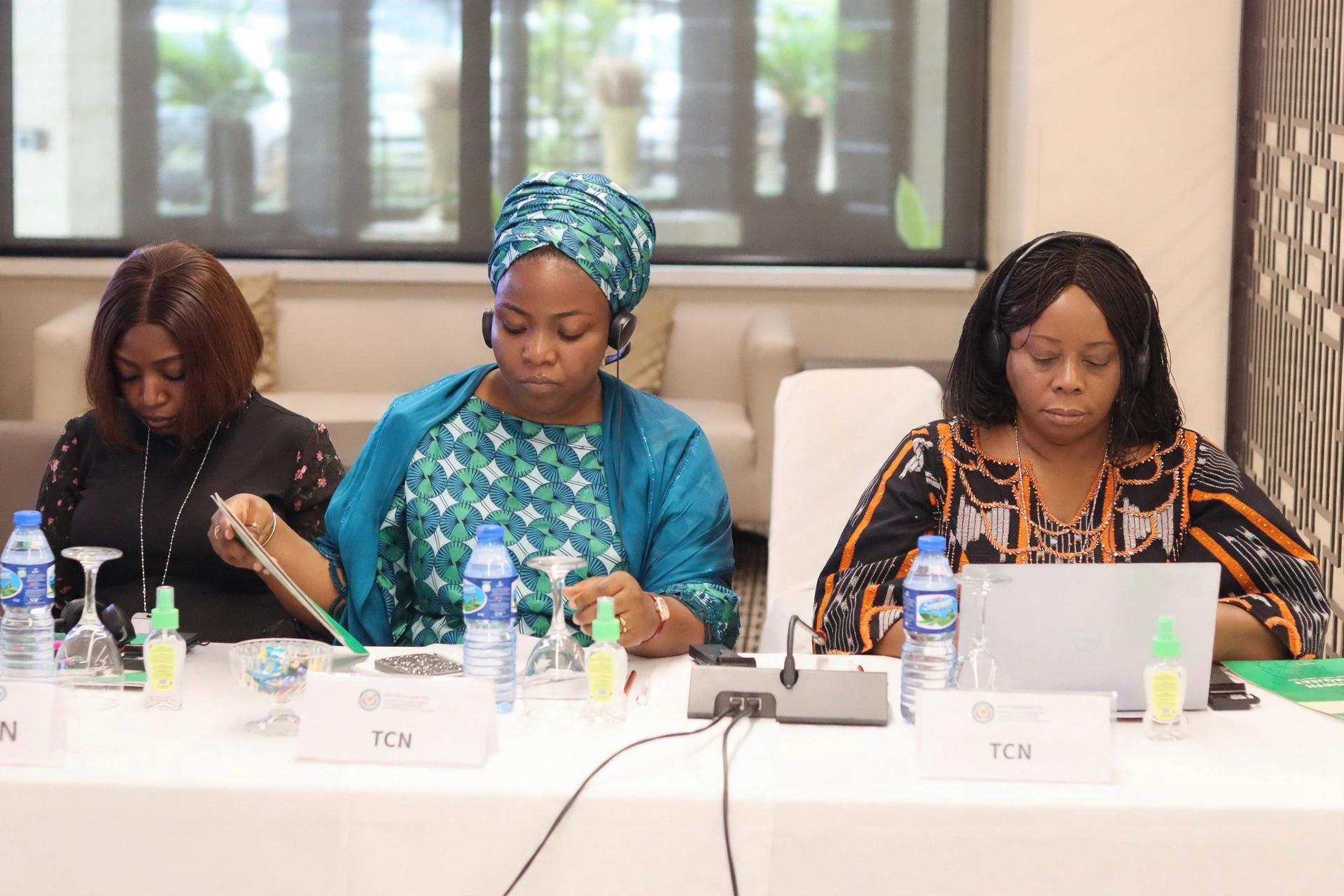
The progress was announced at the opening of the project’s 8th Joint Supervision Mission of Financing Partners, held in Abuja from October 26 to November 6, 2026.
The mission brought together participating governments, national electricity utilities and development partners to assess implementation, address delays and identify measures to accelerate the remaining construction work.
Speaking on behalf of the Chairman of the WAPP Executive Board and Managing Director of the Transmission Company of Nigeria (TCN), Engr. Sule Ahmed Abdulaziz, TCN’s General Manager, Programme Coordination, Engr. Aminu Tahir, called for sustained cooperation and timely decisions to ensure the project is completed.
He said the progress reflected years of work by engineers, technicians, project personnel, governments and development partners, adding that the priority was to complete outstanding construction and translate the investment into reliable electricity infrastructure.
The project is expected to strengthen cross-border electricity exchanges and improve the power systems of the five participating countries.
Insecurity, COVID-19 and flooding delay construction
WAPP Secretary-General Abdoulaye Dia, represented at the meeting by the Director of Planning, Investment Programming and Environmental Safeguards, Kodjo Afidegnon, said the project was launched in 2019 to improve electricity supply security and support the development of a regional electricity market.
However, he identified insecurity along parts of the project corridor, flooding, the COVID-19 pandemic, supply chain disruptions, difficult political circumstances and border closures as factors that affected implementation.
According to him, the challenges caused delays, increased costs and forced the suspension of construction activities in some locations to protect project personnel.
Despite the setbacks, he said cooperation among participating countries, national utilities and financing partners had helped sustain progress.
Construction advances across participating countries
The project has recorded progress in several countries along the interconnection corridor.
In Benin, the Malanville substation has received provisional acceptance, while work on the Niger River crossing is ongoing.
In Burkina Faso, the Ouaga Est and Ouaga Sud-Est substations and 33 kilometres of 225kV transmission lines connecting them to the network have been commissioned.
In Niger, equipment installed at Niamey II and Gazaoua has been operational since July, helping stabilise two existing 132kV interconnection lines supplying electricity from Nigeria.
Nigeria is continuing work on the 330kV transmission line and preparations for its connection to the national grid, in coordination with relevant stakeholders.
Project creates jobs, compensates affected communities
Beyond the transmission infrastructure, the WAPP North Core Project has also recorded progress in its social and environmental commitments.
The project has compensated 5,726 people affected by its activities, while almost all reported grievances have been resolved.
It has also provided electricity to 170 communities in Burkina Faso and Niger and created 2,483 jobs along the project corridor.
AfDB urges faster delivery without compromising safeguards
A representative of the African Development Bank (AfDB) said the supervision mission should focus on practical measures to accelerate implementation, address security concerns and improve contractor performance.
The representative warned that delays in any participating country could undermine the benefits of the entire regional interconnection, stressing the importance of completing critical infrastructure in Niger.
The bank also emphasised that efforts to speed up construction must not compromise environmental and social safeguards, health and safety standards or the protection of workers and host communities.
The AfDB reaffirmed its commitment to supporting the participating governments, national electricity utilities and WAPP in resolving outstanding challenges and completing the project.
When completed, the North Core Interconnection Project is expected to strengthen electricity links across the five countries, facilitate cross-border power trade and support a more integrated West African electricity market.
Representatives of the AfDB, the World Bank, the WAPP North Core Project Management Unit, energy and finance ministries, and national electricity utilities from the five participating countries attended the Abuja meeting.

