


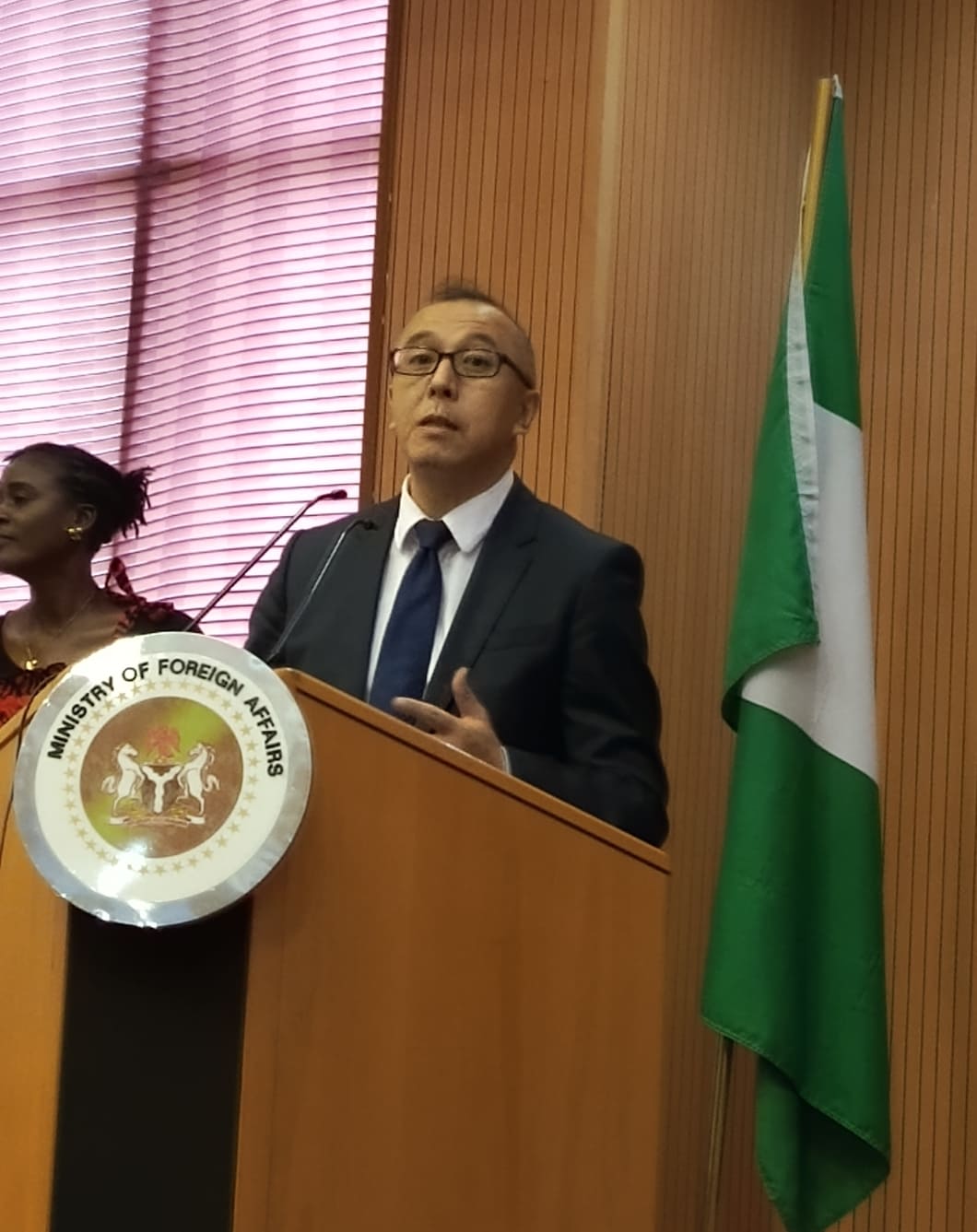
China’s economic transformation began with labour-intensive industries before the country gradually moved into higher-value, capital-intensive and technology-driven sectors, a senior Chinese diplomat has said.
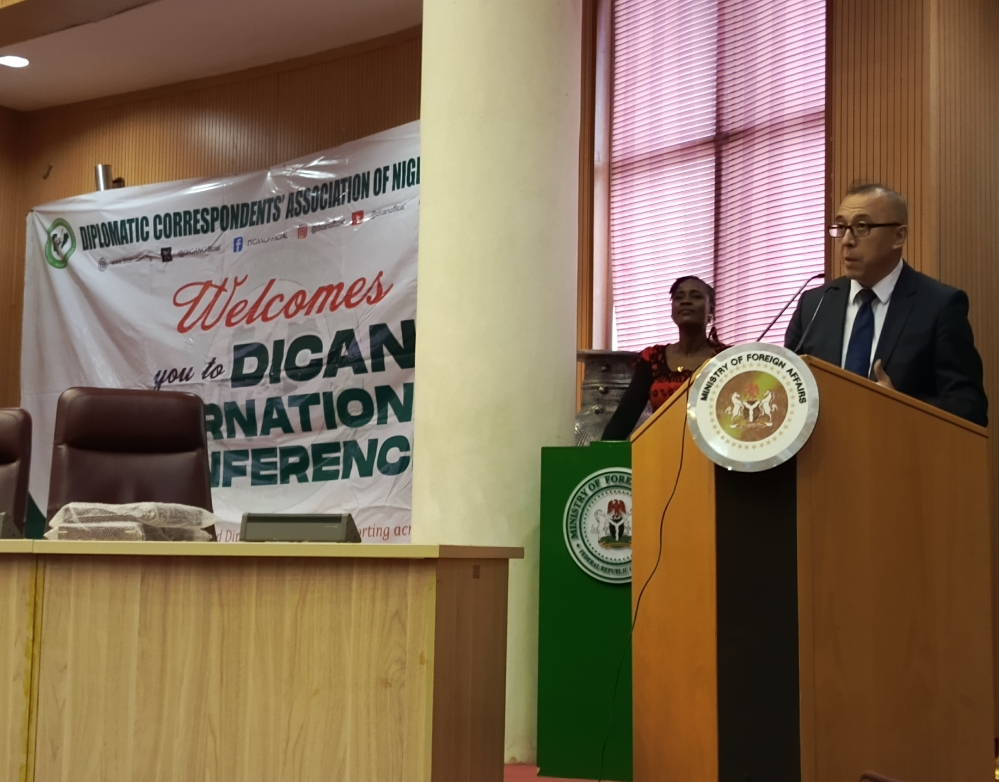
Counselor Sun Xuekun of the Economic and Commercial Office of the Embassy of China in Nigeria, who represented Ambassador Yu Dunhai at the event, made the remarks while responding to questions on how China overcame its early limitations in finance and technology during its economic reforms.
Sun said China did not initially depend on capital-intensive industries to drive economic growth but focused on sectors where it had a comparative advantage before progressively upgrading its industrial capacity.
“China had to rely on the development of the labour intensive approach rather than capital intensive industries to economic growth in its earliest stage of economic reforms,” he said.
He also acknowledged the sacrifices made by Chinese farmers during the early stages of the country’s economic development.
“Some people in the country had to make sacrifices. I am referring to the farmers; they have made a lot of sacrifices,” Sun said.
He explained that China subsequently advanced along the value chain before moving into more capital-intensive and technology-intensive industries.
How China acquired technology
On how China obtained the technology needed to support its transformation, Sun said the country opened up to the rest of the world, learned from more advanced economies and adapted technologies to its domestic conditions.
“China opened up and learned from more advanced countries and had to adapt their technology to the local conditions in China,” he said.
He said education was another major pillar of the country’s development strategy, with substantial investment in human capital helping to create a large pool of skilled workers and professionals.
“China encouraged education and invested heavily in education, turning the population of 1.4 billion people into a big pool of talent,” Sun said.
The comments underscore the importance of both investment and productivity in economic development. While finance can mobilise savings and direct resources towards productive investment, sustained improvements in living standards depend on technological progress, human capital and the ability to use resources more efficiently.

China’s poverty reduction gains
In his presentation, Sun also highlighted what he described as China’s historic achievements in poverty reduction.
He said China had lifted more than 800 million people out of poverty since the country’s reform and opening-up began in 1978, accounting for more than 70 per cent of global poverty reduction.
According to the presentation, nearly 100 million rural residents were still living below the poverty line at the end of 2012, but all were lifted above the poverty line by the end of 2020.
Sun said a total of 98.99 million rural poor residents, 832 impoverished counties and 128,000 impoverished villages were removed from poverty.
He also said China achieved the poverty-reduction target of the United Nations 2030 Agenda 10 years ahead of schedule.
The diplomat attributed the progress to a combination of strong government coordination, targeted poverty alleviation, infrastructure development, education, healthcare, industrial development and financial support.
He said the Chinese government invested nearly 1.6 trillion yuan in special poverty-alleviation funds and mobilised more than three million officials and village work-team members in the campaign.
According to Sun, China also promoted local industries, including specialty agriculture, rural tourism and e-commerce, while investing in roads, electricity, drinking water, telecommunications, education and healthcare.
From poverty alleviation to rural revitalisation
Sun said that after eliminating absolute poverty, China established mechanisms to consolidate the gains and prevent people from falling back into poverty.
He said poverty governance had consequently moved from intensive poverty-alleviation campaigns towards longer-term institutional mechanisms, with poverty reduction linked to rural revitalisation.
He identified strong political commitment, targeted interventions, development-oriented policies, education and skills training, infrastructure and broad social participation as key elements of China’s approach.
The presentation also emphasised that poverty reduction was closely connected to economic development.
According to the Chinese diplomat, poor communities were not treated merely as recipients of assistance but were encouraged to participate in economic activities through employment, skills development and local industries.
Finance alone cannot sustain growth
The discussion also highlighted a broader economic lesson: access to finance can facilitate productive investment, but finance alone cannot guarantee sustained economic growth.
Investment expands productive capacity by increasing the stock of capital, while technology, education, skills, institutions and organisational improvements determine how effectively those resources are used.
Economic growth theories, including the Solow-Swan framework and subsequent endogenous-growth models, generally distinguish between capital accumulation and the productivity improvements required to sustain long-term increases in output per person.
China’s experience, as presented by Sun, reflects this progression—from labour-intensive production to higher-value manufacturing and increasingly technology-intensive industries, supported by education, investment and exposure to international knowledge.

DICAN honours Chinese representatives
The event also featured recognition for Chinese diplomatic officials for their contribution to international diplomacy, national development and media engagement.
Ambassador Yu Dunhai was presented with Awards of Excellence on behalf of the People’s Republic of China.
The Diplomatic Correspondents’ Association of Nigeria (DICAN) also announced plans to confer its Grand Patron title on the Minister of Foreign Affairs, while the Minister of State for Foreign Affairs and the Permanent Secretary would be recognised as DICAN Patrons for their support and collaboration.
DICAN Chairman, Comrade Idehai Frederick, said the media had an important role to play in documenting policy and contributing to national development.
“Media professionals are not merely observers of policy; we are critical partners in documenting and accelerating national development,” Frederick said.
He expressed the association’s appreciation to the Embassy of the People’s Republic of China in Nigeria for its participation.