


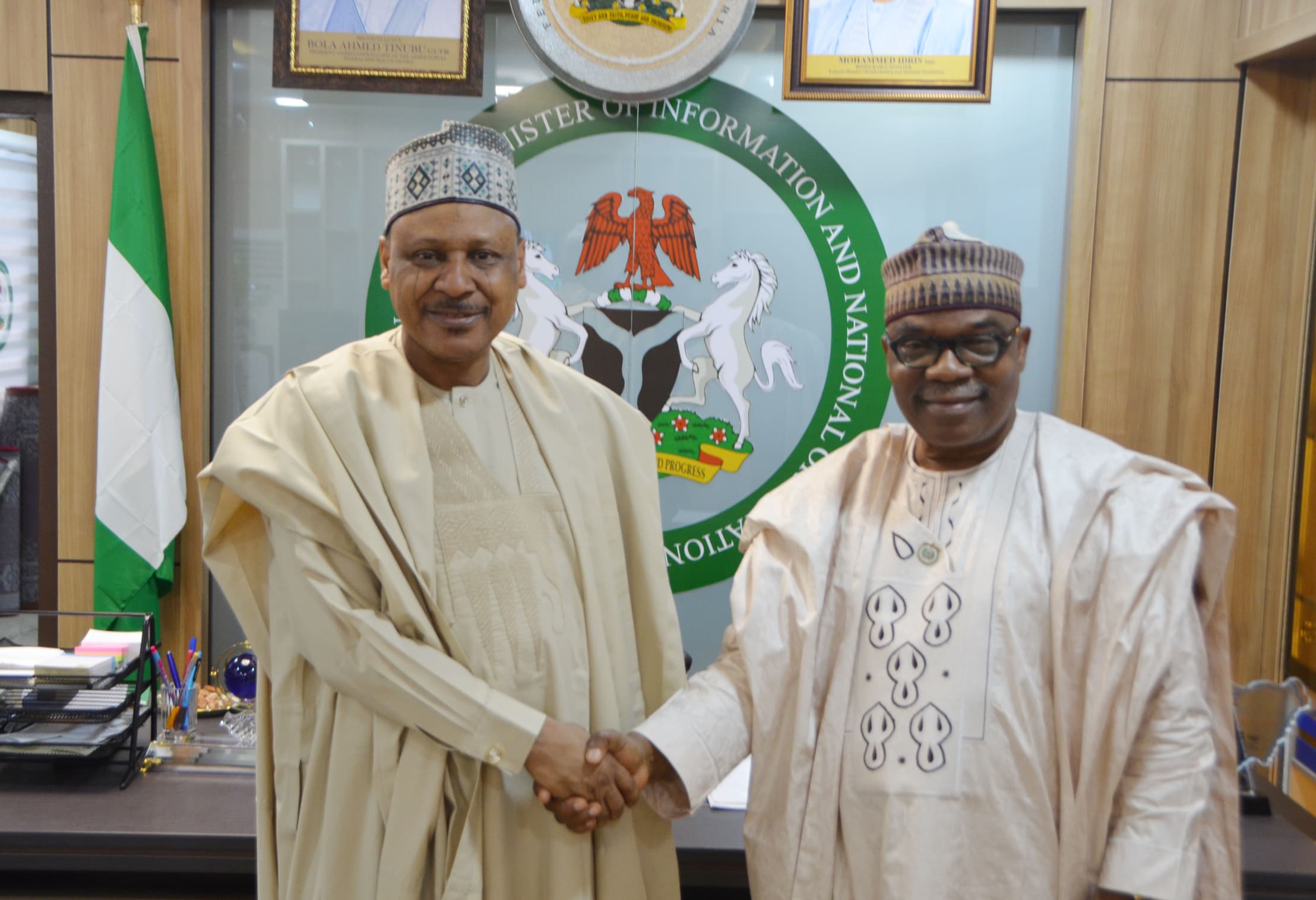
ABUJA, Nigeria — July 10, 2026 — The Federal Government has inaugurated a high-level communication and diplomacy sub-committee under the Presidential Task Force on Ebola Virus Disease, assuring Nigerians that there is currently no confirmed case of the disease in the country.
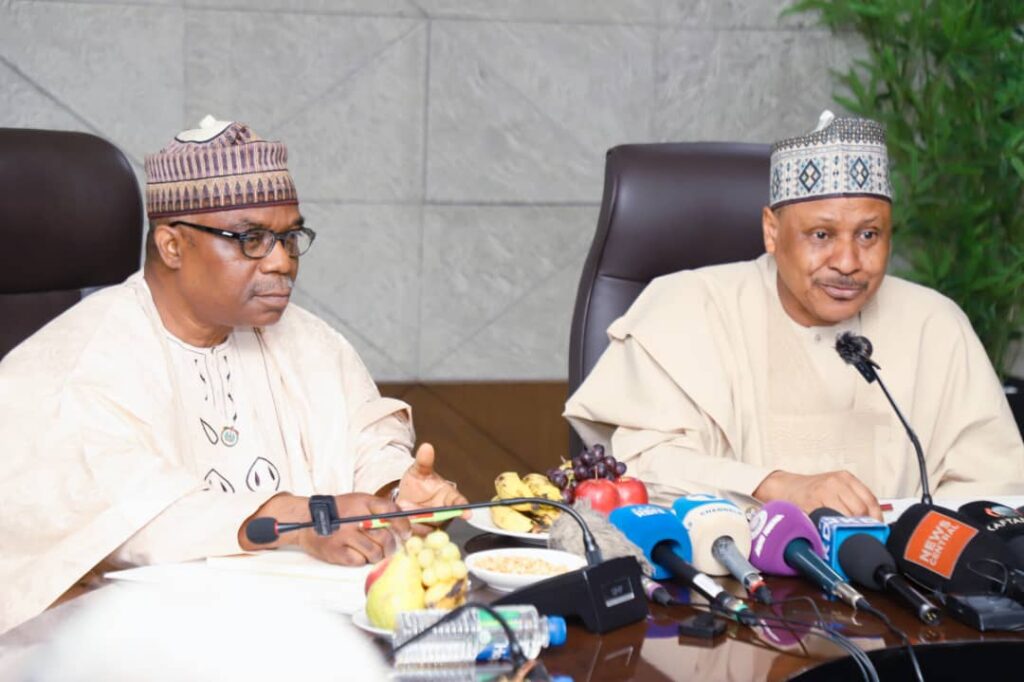
The sub-committee, chaired by the Minister of Information and National Orientation, Alhaji Mohammed Idris, with the Minister of State for Foreign Affairs, Ambassador Sola Enikanolaiye, as Deputy Chairman, held its inaugural meeting in Abuja on Thursday.
The meeting brought together key stakeholders, including representatives from the Nigeria Centre for Disease Control and Prevention (NCDC), National Orientation Agency (NOA), Federal Ministry of Aviation and Aerospace Development, Nigerian Institute of Public Relations (NIPR), Nigeria Union of Journalists (NUJ), Nigerian Guild of Editors (NGE), the World Health Organization (WHO), and other relevant agencies.
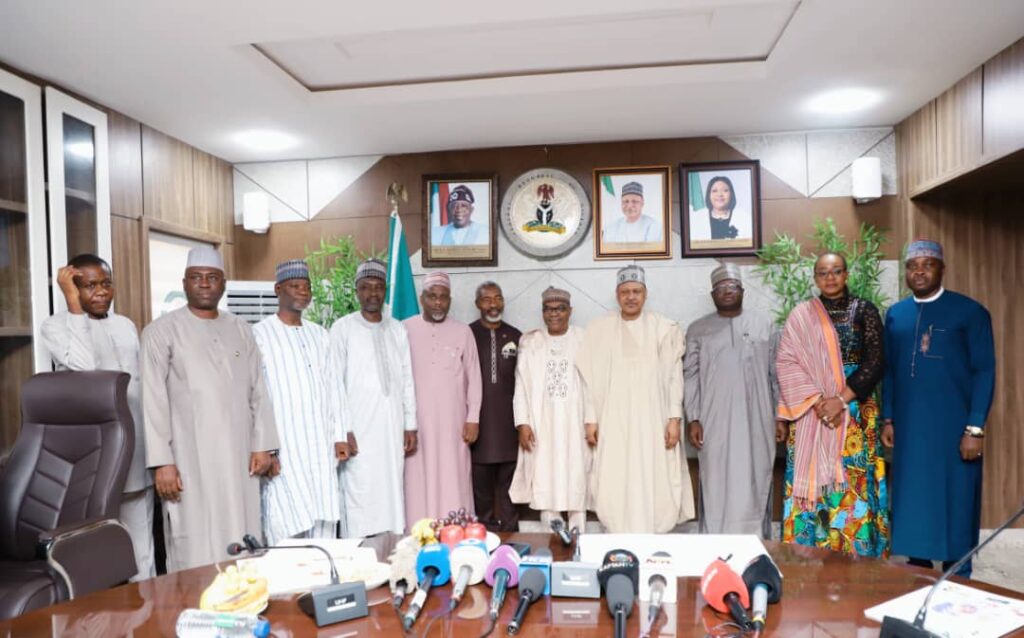
According to a statement by Kimiebi Imomotimi Ebienfa, spokesperson for the Ministry of Foreign Affairs, the Presidential Task Force was established by President Bola Ahmed Tinubu to coordinate Nigeria’s preparedness against Ebola and other emerging public health threats.
Idris said the initiative reflects a proactive approach to safeguarding public health, even as he reassured that Nigeria remains Ebola-free.
“There is currently no confirmed case of Ebola Virus Disease in Nigeria,” he said, adding that surveillance has been intensified nationwide.
He noted that the NCDC has assessed the risk of Ebola importation as high due to regional population movement and international travel, prompting heightened monitoring at entry points and health facilities.
“All public communication on Ebola will be evidence-based and scientifically validated to prevent misinformation and unnecessary panic,” he added.
In his remarks, Enikanolaiye commended the early establishment of the task force, describing preventive diplomacy and preparedness as critical tools in managing transboundary health crises.
“Preventive diplomacy and early preparedness remain indispensable to effective national crisis management,” he said.
He reaffirmed the Ministry of Foreign Affairs’ commitment to strengthening international collaboration through engagement with neighbouring countries, global institutions and Nigeria’s diplomatic missions.
The meeting identified key priorities, including developing a harmonised national risk communication strategy, coordinating public messaging, producing standard information materials, translating health advisories into major Nigerian languages, and countering misinformation.
Participants also agreed on a whole-of-government and whole-of-society approach, involving traditional and religious leaders, media organisations, civil society groups and community stakeholders in nationwide awareness campaigns.
The government urged Nigerians to remain calm, maintain proper hygiene, promptly report suspected symptoms, and rely only on verified information from official sources.