


CBN’s Engagement of Private Firms Under Scrutiny as Lawmakers Probe Coverage Shortfalls
The House of Representatives has uncovered significant gaps in the implementation of the N1.12 trillion Anchor Borrowers Programme (ABP), particularly in its insurance framework, prompting lawmakers to summon the Nigerian Agricultural Insurance Corporation (NAIC) and other insurance providers for further explanation.
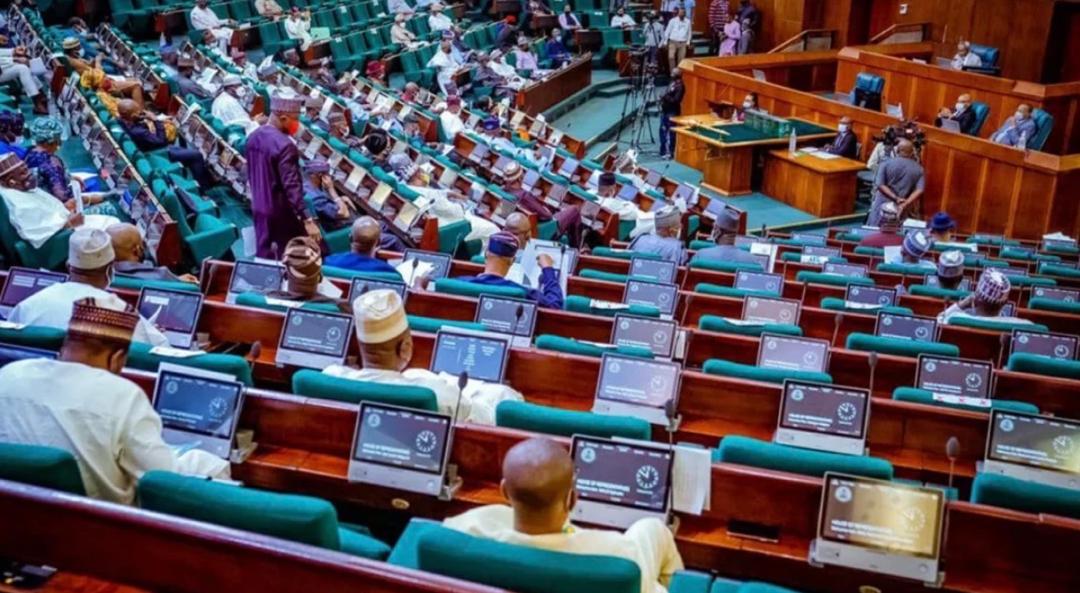
The revelation came during an investigative hearing by the House Committee on Nutrition and Food Security, chaired by Hon. Chike Okafor (APC, Imo), as part of an ongoing probe into alleged mismanagement and diversion of funds under the agricultural intervention scheme.
At the hearing, NAIC’s representative, Dayo Babaronti, disclosed that the agency insured only 207,514 farmers, representing coverage worth about N109 billion.
He told the committee that this amounted to just about 12 per cent of the total value under the Anchor Borrowers Programme.
Babaronti further revealed that contrary to the original arrangement that made NAIC the sole insurer of the scheme, the Central Bank of Nigeria (CBN) introduced two additional insurance firms—Veritas Kapital Insurance and Leadway Insurance—into the programme.
“Despite the initial policy that made NAIC the sole insurer, two other insurance companies were brought in by the CBN,” he said, adding that the firms were absent at the hearing.
He also gave a breakdown of related interventions, stating that under the NIRSAL Plc N250 billion facility, NAIC insured only about N8.25 billion, while in the N1.6 billion ginger farming programme, it covered N715 million for just 80 hectares.
According to him, NAIC was also not involved in the Bank of Industry’s Agro and Food Processor Scheme, despite provisions that initially suggested its participation.
Lawmakers expressed concern over the wide coverage gaps and inconsistent implementation of the insurance component of the programme.
Committee Chairman, Hon. Okafor, said the panel had received numerous complaints from farmers and commodity associations over poor insurance coverage and weak implementation outcomes.
“We have received numerous complaints from farmers and commodity associations regarding the level of insurance coverage and the overall implementation of the programme,” he said.
He announced that NAIC would be re-invited, citing late submission of documents and insufficient time for proper review.
“We will be inviting NAIC again because the documents were submitted late and we have not had sufficient time to go through them thoroughly,” he added.
Okafor stressed that the committee was determined to get to the root of the matter, noting that the programme’s performance fell far below expectations.
“The reason we are here is because the programme did not succeed 100 per cent. If it had succeeded, there would be no need for this investigation,” he said.
He further disclosed that preliminary findings suggested that key stakeholders, particularly farmers and commodity groups, were not adequately involved in the design and execution of the scheme, a gap he said may have contributed to its underperformance.
The investigation stems from a July 1, 2025 House resolution mandating committees to probe the alleged misuse of agricultural intervention funds across federal agencies and implementing institutions.